North Carolina offers over 2 million acres of public hunting land, from coastal marshes to high mountain ridges. Hunters here can target whitetail deer, black bear, turkey, waterfowl, upland birds, wild boar, and a range of small game. The combination of NCWRC game lands, four National Forests, and numerous National Wildlife Refuges makes North Carolina one of the stronger public access states in the Southeast. 1
1. Public Hunting Land in North Carolina
Public hunting in North Carolina is managed through several overlapping systems. The primary manager is the North Carolina Wildlife Resources Commission (NCWRC), but federal agencies also play a major role.
NCWRC Game Lands
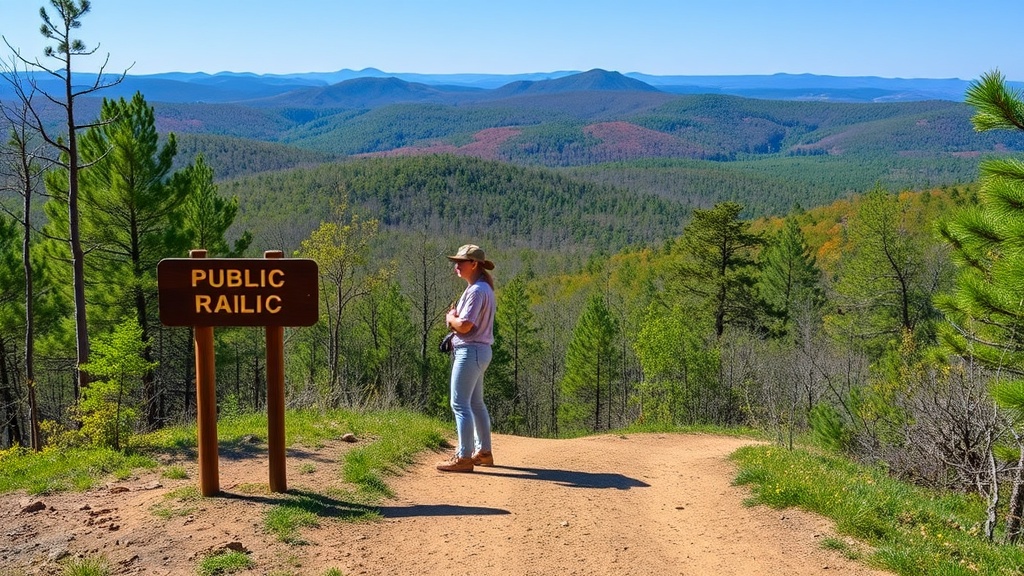
The NCWRC manages more than 2 million acres of game lands distributed across all three regions of the state: mountains, piedmont, and coastal plain. These lands provide hunting for deer, turkey, bear, small game, and waterfowl.
- A Game Lands License is required for all hunters on NCWRC game lands, in addition to the basic hunting license and any species-specific licenses.
- Each game land has its own regulation sheet specifying allowed species, weapon types, access dates, and special rules.
- Some game lands have designated disabled sportsman access areas.
- Maps and regulation sheets are available on the NCWRC website and through their mobile app. 1
Tip: Game lands vary widely in hunting pressure. Mountain game lands tend to have lower hunter density due to rugged terrain, while piedmont game lands near population centers see heavier use during gun deer season.
National Forests
North Carolina contains four National Forests managed by the U.S. Forest Service, all of which are open to hunting under state regulations:
| National Forest | Approximate Acreage | Region | Primary Game |
|---|---|---|---|
| Pisgah National Forest | 500,000 acres | Mountains | Black bear, whitetail deer, wild boar, ruffed grouse |
| Nantahala National Forest | 530,000 acres | Mountains | Black bear, whitetail deer, wild boar, turkey |
| Uwharrie National Forest | 51,000 acres | Piedmont | Whitetail deer, turkey, squirrel |
| Croatan National Forest | 160,000 acres | Coastal plain | Whitetail deer, black bear, waterfowl |
Hunting on National Forest land in North Carolina generally follows NCWRC season dates and regulations. A Game Lands License is typically required because most National Forest land in the state is enrolled in the NCWRC game lands program.
National Wildlife Refuges
North Carolina has more than eight National Wildlife Refuges that offer hunting opportunities. These are managed by the U.S. Fish and Wildlife Service, and hunts are subject to both federal and state regulations.
| Refuge | Location | Primary Hunting Opportunities |
|---|---|---|
| Alligator River NWR | Dare County (coastal) | Black bear, whitetail deer, waterfowl |
| Mattamuskeet NWR | Hyde County (coastal) | Waterfowl, whitetail deer |
| Pocosin Lakes NWR | Tyrrell/Washington Counties | Black bear, whitetail deer |
| Pee Dee NWR | Anson/Richmond Counties (piedmont) | Whitetail deer, turkey, small game |
| Roanoke River NWR | Bertie/Martin Counties | Whitetail deer, turkey, waterfowl |
NWR hunts often require a refuge-specific permit or a signed hunt brochure in addition to state licenses. Check the individual refuge website for current hunt schedules and access requirements.
Military Installations
Several military bases in North Carolina open portions of their land to hunting. Fort Liberty (formerly Fort Bragg), Camp Lejeune, and Cherry Point Marine Corps Air Station all have managed hunting programs. Access requires base-specific permits and compliance with military installation rules. Civilian hunters may need to register through the base’s natural resources office.
2. Private Hunting Land in North Carolina
The majority of North Carolina’s land area is privately owned, particularly in the piedmont and coastal plain. Private land access is the primary way many North Carolina hunters pursue deer, turkey, and waterfowl.
| Private Access Type | Pros | Cons | Best For |
|---|---|---|---|
| Hunting Leases | Exclusive access, lower hunter pressure, season-long or multi-year terms | Annual cost, requires scouting the property, contracts vary | Whitetail deer, turkey |
| Hunting Clubs | Shared cost, social experience, established infrastructure | Club rules, shared access, membership may be hard to find | Deer, waterfowl, dove |
| Guided Hunts | High success rates, includes guide expertise and logistics | Higher cost per hunt | Black bear, waterfowl, trophy deer |
| Day Hunts | Flexible, lower commitment | Limited time to learn the property | Dove, waterfowl, small game |
Hunting Leases
Hunting leases are common throughout the piedmont and coastal plain. Terms should specify allowed species, hunting methods, guest policies, vehicle access, and liability. Lease prices vary widely based on acreage, location, habitat quality, and the deer management history of the property.
Hunting Clubs
North Carolina has a long tradition of hunting clubs, especially in the eastern counties where dog-deer hunting is practiced. Many clubs control large tracts of leased private land and operate as cooperative organizations with annual dues and bylaws.
Guided Hunts
Licensed outfitters operate across the state, offering guided hunts for bear in the mountains and coastal plain, waterfowl on the coast, and trophy deer in the piedmont and east. Guided hunts often include lodging, meals, and field care of harvested game.
3. Popular Game by Region
North Carolina’s three geographic regions each offer distinct hunting opportunities.
| Game Species | Mountains | Piedmont | Coastal Plain |
|---|---|---|---|
| Whitetail Deer | National Forests, steep terrain | Game lands, private leases | Dog-deer hunting, large tracts |
| Black Bear | Pisgah and Nantahala NFs | Not common | Albemarle-Pamlico region, dense populations |
| Turkey | National Forests, game lands | Game lands, private land | Abundant on private and public land |
| Waterfowl | Limited | Reservoirs, farm ponds | Coastal marshes, sound-side flats, flooded fields |
| Upland Birds | Ruffed grouse in high elevations | Released quail on game lands | Released quail, dove fields |
| Wild Boar | Nantahala NF, Great Smokies border | Not common | Not common |
4. Choosing Your North Carolina Hunting Land
When selecting between public and private access, consider these factors:
- Budget: A Game Lands License is the most affordable public access. Guided hunts are the most expensive option.
- Time Available: Public game lands require more scouting than a well-known lease or guided hunt.
- Target Species: Match the region and habitat to your target. Bear hunters need mountain or coastal plain access. Waterfowl hunters need coastal or river bottom land.
- Experience Level: New hunters benefit from guided hunts or joining an established hunting club.
- Hunting Companions: Group size affects whether a lease or club makes more sense than public land.
- Region: Mountain hunting is physically demanding with steep terrain. Coastal plain hunting involves flat ground but can include thick vegetation and wet conditions.
5. Regulations and Safety
Before hunting in North Carolina:
- License and Permits: Valid hunting license, Big Game License, and Game Lands License are all required for public land big game hunting. See North Carolina hunting regulations.
| License/Permit | Residency | Fee | Includes |
|---|---|---|---|
| Resident Hunting License | Resident | $25.00 | hunting |
| Resident Sportsman License | Resident | $50.00 | hunting, fishing, all privileges |
| Non-Resident Hunting License | Nonresident | $100.00 | hunting |
| Non-Resident 10-Day Hunting License | Nonresident | $60.00 | hunting |
| Youth Hunting License | All | $0.00 | hunting |
| Senior Hunting License | Resident | $15.00 | hunting |
| Big Game Privilege License | Resident | $13.00 | deer, bear, turkey, wild boar |
| Non-Resident Big Game Privilege | Nonresident | $80.00 | deer, bear, turkey, wild boar |
| Game Lands License | All | $20.00 | game lands access |
| NC Waterfowl Privilege License | All | $6.00 | waterfowl hunting |
| Federal Duck Stamp | All | $25.00 | waterfowl hunting |
| Disabled Veteran Hunting/Fishing | Resident | $0.00 | hunting, fishing |
- Hunter Education: Required for hunters born on or after August 1, 1974.
- Season Dates and Bag Limits: Published annually by the NCWRC. See our North Carolina hunting season guide.
- Blaze Orange: Required on game lands during open gun deer seasons.
- Sunday Hunting: Legal on private land. Allowed on some public game lands since 2015/2017 expansions.
- Baiting: Illegal for deer and bear statewide.
6. Quick Access Comparison
| Access Type | Approximate Acreage | Permit Needed | Typical Game |
|---|---|---|---|
| NCWRC Game Lands | 2,000,000+ acres | Game Lands License | Deer, turkey, bear, small game, waterfowl |
| National Forests | 1,240,000+ acres | Game Lands License (enrolled lands) | Bear, deer, wild boar, grouse, turkey |
| National Wildlife Refuges | Varies by refuge | Refuge permit + state licenses | Bear, deer, waterfowl |
| Private Lease | Varies | Lease agreement | Trophy deer, turkey, waterfowl |
| Guided Hunt | Varies | Outfitter booking | Bear, waterfowl, trophy deer |
Final Checklist
- Purchase your Game Lands License before hunting any public land.
- Download game land maps and regulation sheets from the NCWRC website.
- Verify refuge-specific permits if hunting on a National Wildlife Refuge.
- Secure written permission before hunting any private land.
- Check county-specific rules for weapon restrictions, dog-deer hunting, and either-sex days.
- Wear blaze orange on all game lands during gun deer seasons.
- Report all deer, turkey, and bear harvests through the NCWRC electronic reporting system.
Last verified: February 13, 2026 — Official source
More North Carolina Hunting Resources
Explore Related Topics:
- Alabama Hunting Land: Your Guide to Public and Private Access
- Arkansas Hunting Land: Your Guide to Public and Private Access
- California Hunting Land: Your Guide to Public and Private Access
- Florida Hunting Land: Your Guide to Public and Private Access
- Georgia Hunting Land: Your Guide to Public and Private Access
Notice an update we should make?
We strive for accuracy. Contact us here if you see incorrect or outdated info on this page.