Kansas offers exceptional hunting across its Great Plains landscape, from the tallgrass Flint Hills to the western short-grass prairie. Hunters here can target whitetail deer, turkey, waterfowl, upland birds, pronghorn antelope, and predators. While approximately 97% of Kansas is privately owned, the state compensates with one of the best walk-in hunting access programs in the nation, hundreds of state wildlife areas, and significant federal lands in the west.
1. Public Hunting Land in Kansas
Public hunting access in Kansas is managed by the Kansas Department of Wildlife and Parks (KDWP), the U.S. Forest Service, the U.S. Fish and Wildlife Service, and the Army Corps of Engineers. The cornerstone of Kansas public hunting is the WIHA program. 1
Walk-In Hunting Access (WIHA)
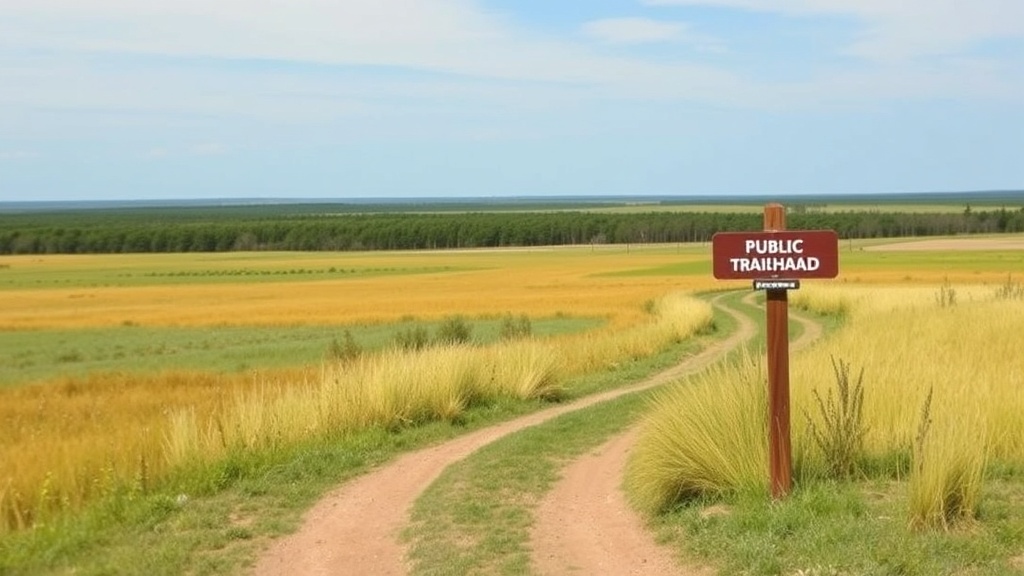
The WIHA program is Kansas’s signature public access initiative and one of the most successful walk-in programs in the United States.
- Over 1 million acres of privately owned land enrolled and open to public hunting.
- Landowners are paid by KDWP to enroll their property. Hunters access the land at no additional cost beyond a valid Kansas hunting license.
- WIHA properties are concentrated in the western two-thirds of the state, with the highest density in prime upland bird habitat.
- Access dates are typically November 1 through January 31 for upland birds and September 1 through January 31 for other species.
- Properties are mapped in the annual WIHA Atlas, available online and in print from KDWP.
Tip: WIHA tracts near major highways receive heavy pressure on opening weekend. Walk deeper into large tracts or target midweek hunts for less competition and more birds.
State Wildlife Areas
Kansas manages over 350 state wildlife areas across the state, totaling hundreds of thousands of acres. These areas vary widely in size and habitat.
| Wildlife Area | Location | Acres (approx.) | Primary Game |
|---|---|---|---|
| Cheyenne Bottoms WA | Barton County (central KS) | 19,800 | Waterfowl, shorebirds, dove |
| Milford WA | Geary County (NE KS) | 15,700 | Deer, turkey, pheasant, waterfowl |
| Glen Elder WA | Mitchell County (north-central KS) | 12,500 | Pheasant, deer, waterfowl |
| Lovewell WA | Jewell County (north-central KS) | 4,600 | Pheasant, deer, quail |
| Clinton WA | Douglas County (NE KS) | 9,500 | Deer, turkey, waterfowl |
| Fall River WA | Greenwood County (SE KS) | 15,100 | Deer, turkey, prairie chicken |
Some wildlife areas have special regulations, including draw-only deer hunts, restricted hunting zones, and designated shooting areas. Check KDWP area-specific regulations before hunting.
Cimarron National Grassland
The Cimarron National Grassland in Morton and Stevens counties (extreme southwestern Kansas) is the only national grassland in Kansas and covers approximately 108,000 acres of short-grass prairie, sand sage, and cottonwood river bottom habitat.
- Managed by the U.S. Forest Service.
- Open to hunting for mule deer, pronghorn, pheasant, quail, turkey, dove, and predators.
- One of the few public land options for pronghorn in Kansas.
- Remote location means lighter hunting pressure than state wildlife areas.
- Dispersed camping is allowed, making multi-day hunts practical.
Federal Reservoirs
The Army Corps of Engineers manages land around several major Kansas reservoirs. These properties provide valuable hunting access, particularly for deer, turkey, and waterfowl.
| Reservoir | Location | Hunting Opportunities |
|---|---|---|
| Milford Reservoir | Geary/Clay County | Deer, turkey, pheasant, waterfowl |
| Tuttle Creek Reservoir | Riley/Pottawatomie County | Deer, turkey, waterfowl, upland birds |
| Clinton Reservoir | Douglas County | Deer, turkey, waterfowl |
| Perry Reservoir | Jefferson County | Deer, turkey, small game |
| Council Grove Reservoir | Morris County | Deer, turkey, waterfowl |
| John Redmond Reservoir | Coffey County | Waterfowl, deer |
Corps land is open to public hunting under both federal and state regulations. Check for area-specific rules, seasonal closures, and any required permits.
National Wildlife Refuges
- Quivira National Wildlife Refuge (Stafford County): Over 22,000 acres of wetlands and grasslands. Excellent waterfowl and dove hunting. Specific refuge regulations apply.
- Flint Hills National Wildlife Refuge (Coffey County): Approximately 18,500 acres. Hunting for waterfowl, deer, turkey, and upland birds with refuge-specific rules.
- Kirwin National Wildlife Refuge (Phillips County): Limited hunting opportunities for waterfowl and upland birds.
2. Private Hunting Land in Kansas
With 97% of the state in private hands, private land access is critical for Kansas hunting, especially for trophy whitetail deer and guided upland bird hunts.
| Private Access Type | Pros | Cons | Best For |
|---|---|---|---|
| Hunting Leases | Exclusive access, managed for trophy deer, control over pressure | Expensive, especially in eastern KS | Whitetail deer, turkey |
| Guided Pheasant Hunts | High bird numbers, dogs provided, lodging included | Higher cost per day | Upland birds |
| Guided Deer Hunts | Trophy management, stands and blinds in place | Premium pricing for non-residents | Trophy whitetail, mule deer |
| Day Hunts | Flexible, lower commitment | Limited time, variable quality | Pheasant, quail, dove |
Hunting Leases
Deer hunting leases are extremely popular in eastern and central Kansas, where the river bottom habitat produces some of the biggest whitetail deer in North America. Lease costs range widely based on location, acreage, habitat quality, and trophy potential.
Key considerations for Kansas hunting leases:
- Demand clear terms covering allowed species, hunting methods, guest policies, and stand placement.
- Eastern Kansas leases command higher prices due to trophy deer potential.
- Some leases include turkey and small game rights in addition to deer.
- Multi-year leases provide stability and allow habitat improvements.
Guided Hunts
Kansas is a top destination for guided pheasant hunts and trophy whitetail hunts.
- Pheasant outfitters are concentrated in western Kansas towns like Colby, Oakley, Hays, and Garden City. Packages typically include lodging, meals, bird cleaning, and trained pointing or flushing dogs.
- Deer outfitters operate across eastern and central Kansas, offering both rifle and archery guided hunts. Many manage their properties specifically for trophy buck production through food plots, habitat management, and harvest restrictions.
- Waterfowl outfitters operate around major reservoirs and along the Central Flyway corridor, offering guided duck and goose hunts on managed private wetlands and crop fields.
3. Popular Game on Kansas Hunting Land
Kansas’ diverse landscape supports a wide variety of game species across public and private lands.
| Game Species | Public Land Opportunities | Private Land Opportunities |
|---|---|---|
| Whitetail Deer | Wildlife areas, Corps land, WIHA | Trophy potential on managed leases |
| Turkey | Wildlife areas, national grassland, WIHA | River bottom and hardwood leases |
| Waterfowl | Cheyenne Bottoms, Quivira NWR, reservoirs | Managed wetlands and flooded crop fields |
| Upland Birds | WIHA (1M+ acres), wildlife areas, grassland | Guided preserves and leased fields |
| Pronghorn | Cimarron National Grassland, WIHA (western) | Limited private land access |
| Predators | Year-round on public land | Guided night hunts, ranch access |
4. Choosing Your Kansas Hunting Land
When deciding between public and private options, consider:
- Budget: WIHA is free with a license; guided trophy deer hunts are the most expensive option.
- Target Species: Match the habitat and region to your quarry. Western KS for pheasant and pronghorn, eastern KS for trophy whitetail and turkey.
- Time Available: WIHA and public wildlife areas may require more scouting. Guided hunts and leases minimize logistics.
- Experience Level: First-time Kansas visitors may benefit from a guide or outfitter to learn the landscape.
- Group Size: Pheasant hunts work well for groups. Deer leases may have hunter limits.
- Non-Resident Considerations: Non-resident deer firearm permits require a draw application. Plan access around tag availability.
5. Regulations and Safety
Before hunting in Kansas:
- License and Permits: Valid hunting license required; separate permits for deer, turkey, and pronghorn. See Kansas hunting regulations.
| License/Permit | Residency | Fee | Includes |
|---|---|---|---|
| Resident Hunting License | Resident | $27.50 | hunting |
| Non-Resident Hunting License | Nonresident | $97.50 | hunting |
| Resident Deer Permit | Resident | $42.50 | deer hunting |
| Non-Resident Deer Permit | Nonresident | $442.50 | deer hunting |
| Resident Turkey Permit | Resident | $27.50 | turkey hunting |
| Non-Resident Spring Turkey Permit | Nonresident | $67.50 | turkey hunting |
| Youth Hunting License | Resident | $7.50 | hunting |
| Non-Resident Youth Hunting License | Nonresident | $42.50 | hunting |
| Resident Pronghorn Permit | Resident | $42.50 | pronghorn hunting |
| Non-Resident Pronghorn Permit | Nonresident | $242.50 | pronghorn hunting |
| Kansas Waterfowl Stamp | All | $8.50 | waterfowl hunting |
| Federal Duck Stamp | All | $25.00 | waterfowl hunting |
- Hunter Education: Required for hunters born on or after July 1, 1957.
- Season Dates and Bag Limits: Found in the Kansas hunting seasons guide and the official KDWP regulations summary. 1
- Trespass Law: Verbal or written permission required to hunt private land, whether posted or not.
- Safety:
- Wear blaze orange during firearms deer season.
- Know your target and what is beyond it.
- Follow firearm handling rules at all times.
6. Quick Access Comparison
| Access Type | Acres Available | Permit Needed | Typical Game |
|---|---|---|---|
| WIHA | 1,000,000+ | Valid KS hunting license | Pheasant, quail, deer, dove |
| State Wildlife Areas | 350+ areas | Valid KS hunting license (some draw hunts) | Deer, turkey, waterfowl, upland birds |
| Cimarron Nat’l Grassland | 108,000 | Valid KS license + fed. regulations | Mule deer, pronghorn, pheasant, turkey |
| Federal Reservoirs | Varies | Valid KS license + Corps rules | Deer, turkey, waterfowl |
| Private Lease | 97% of state | Lease agreement | Trophy deer, turkey, pheasant |
| Guided Hunt | Varies | Outfitter booking | Pheasant, trophy deer, waterfowl |
Final Takeaway
Kansas hunting land offers opportunities for every hunter, from a first-time pheasant hunter walking WIHA grasslands to a seasoned trophy deer hunter on a managed eastern Kansas lease. The WIHA program alone sets Kansas apart as one of the most accessible hunting states for non-residents. Whether you opt for public wildlife areas, the Cimarron National Grassland, a guided pheasant hunt, or a private deer lease, success comes from understanding access options, planning around season dates, and following Kansas hunting regulations.
Last verified: February 13, 2026 — Official source
More Kansas Hunting Resources
Kansas Department of Wildlife & Parks. (n.d.). Hunting. Retrieved from https://ksoutdoors.com/Hunting ↩︎ ↩︎
Explore Related Topics:
- Alabama Hunting Land: Your Guide to Public and Private Access
- Arkansas Hunting Land: Your Guide to Public and Private Access
- California Hunting Land: Your Guide to Public and Private Access
- Florida Hunting Land: Your Guide to Public and Private Access
- Georgia Hunting Land: Your Guide to Public and Private Access
Notice an update we should make?
We strive for accuracy. Contact us here if you see incorrect or outdated info on this page.