Idaho is a public land hunter’s paradise. Approximately 63 percent of the state is publicly owned, giving hunters access to more than 21 million acres of federal and state land. Whether you are pursuing elk in remote wilderness basins, whitetail deer in the northern panhandle timber, black bear in the Clearwater drainages, upland birds in the Owyhee desert, or turkey along southern river corridors, Idaho’s land base supports it all.
For hunters new to the state, our Land Access hub offers general guidance on public land hunting and private land permission.
1. Public Hunting Land in Idaho
Idaho ranks among the top states in the nation for public land access. The combination of National Forests, BLM land, state endowment lands, and designated wilderness areas creates an unmatched landscape for hunting.1
National Forests
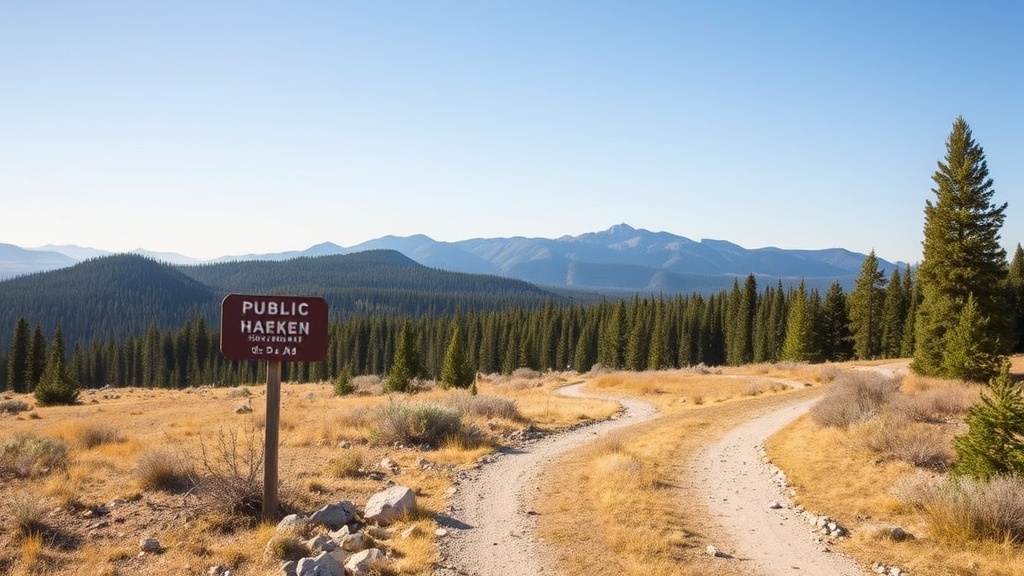
Idaho’s National Forests are the backbone of public land hunting in the state, covering millions of acres of forested mountains, alpine meadows, river canyons, and high-elevation basins.
| National Forest | Approximate Acres | Key Game Species | Terrain Highlights |
|---|---|---|---|
| Boise National Forest | 2.6 million | Elk, mule deer, black bear | Ponderosa pine, granite canyons, river breaks |
| Sawtooth National Forest | 2.1 million | Mule deer, elk, mountain goat | Alpine peaks, high lakes, sagebrush valleys |
| Salmon-Challis National Forest | 4.3 million | Elk, mule deer, bighorn sheep, mountain lion | Remote canyons, Frank Church Wilderness access |
| Nez Perce-Clearwater National Forests | 4.0 million | Elk, whitetail deer, black bear, moose | Dense cedar-fir timber, rugged drainages |
| Caribou-Targhee National Forest | 3.0 million | Elk, moose, mule deer | High plateaus, aspen groves, Teton foothills |
| Payette National Forest | 2.3 million | Elk, black bear, wolf, mountain lion | Deep canyons, wilderness access, mixed conifer |
| Idaho Panhandle National Forests | 2.5 million | Whitetail deer, black bear, mountain grouse | Thick cedar-hemlock forests, mountain lakes |
Forest-specific regulations may limit camping duration, motorized access, fire use, and trail maintenance. Check the relevant National Forest website before your trip.
Bureau of Land Management (BLM)
- Acres: Approximately 12 million in Idaho2
- Typical Game: Mule deer, pronghorn, chukar, California quail, upland birds
- Terrain: High desert sagebrush, volcanic plateaus, canyon rims, Snake River breaks
- Access Notes: BLM lands dominate southern Idaho and the Owyhee region. Some parcels are landlocked by private land. Always verify legal access before traveling to a remote BLM parcel.
BLM lands in the Owyhee Canyonlands, Bruneau River corridor, and Snake River Birds of Prey area offer some of the best chukar and upland bird hunting in the country. Mule deer and pronghorn hunting on BLM is productive in many southern zones.
Check seasonal closures, fire restrictions, and travel management plans before hunting on BLM property.
State Endowment Lands
- Managed by: Idaho Department of Lands
- Acres: Approximately 2.4 million3
- Focus Species: Elk, deer, upland birds, small game
- Access Notes: Idaho’s endowment lands are managed primarily for revenue generation (timber, grazing, mining), but most are open to public recreation including hunting. Some parcels are leased and may have restricted access during certain times of year. Check the Idaho Department of Lands website for parcel-specific rules.
Frank Church-River of No Return Wilderness
The Frank Church-River of No Return Wilderness is the crown jewel of Idaho’s public land and the largest wilderness area in the contiguous United States at approximately 2.4 million acres.1 This roadless expanse in central Idaho offers:
- World-class elk hunting in remote, unpressured basins
- Outstanding black bear and mountain lion habitat
- Mule deer, wolf, and bighorn sheep opportunity
- Truly backcountry hunting experiences requiring multi-day pack trips
Important: Non-resident hunters are required by Idaho law to hire a licensed Idaho outfitter when hunting in designated wilderness areas, including the Frank Church. Resident hunters may hunt the wilderness independently.
Access is primarily by foot, horseback, or bush plane to backcountry airstrips. This is demanding, remote country that requires serious preparation, physical fitness, and self-sufficiency.
Other Public Access Areas
- Wildlife Management Areas (WMAs): IDFG manages WMAs across the state, providing managed habitat for waterfowl, upland birds, deer, and elk. WMAs often have specific access rules, seasonal closures, and weapon restrictions. Check the IDFG website for WMA-specific regulations.
- National Wildlife Refuges: Several NWRs in Idaho allow hunting during specific seasons, particularly for waterfowl and upland birds. Examples include Deer Flat NWR near Boise and Bear Lake NWR in southeastern Idaho.
- Army Corps of Engineers Lands: Some lands managed by the Corps around reservoirs are open to hunting.
2. Private Hunting Land in Idaho
While public access is exceptional, private hunting land in Idaho can offer:
- Lower hunter pressure in productive habitat
- Managed access to trophy-quality animals
- Flexibility in timing and approach
Hunting Leases
- Description: Seasonal or annual agreements with landowners for exclusive or shared hunting rights.
- Best For: Hunters targeting whitetail deer in agricultural areas, mule deer in foothill ranches, and upland birds on private grain fields.
- How to Find: Local networking, hunting forums, agricultural publications, and online lease platforms.
Outfitted Hunts
Licensed Idaho outfitters operate on both private ranches and in designated wilderness areas. Outfitters are especially important for non-resident hunters targeting elk in the Frank Church or Selway-Bitterroot Wilderness, where the outfitter requirement applies.
What is typically included:
- Guide services and camp logistics
- Lodging, meals, and horse or mule pack support
- Field dressing and game transport assistance
- Local knowledge of terrain, game patterns, and access
Outfitted hunts are more expensive but can greatly improve success rates, particularly for backcountry elk, mule deer, bighorn sheep, and mountain goat hunts in remote terrain.
Access Yes! Program
IDFG administers the Access Yes! program, which provides public hunting access to private lands through cooperative agreements with landowners.1 Participating properties are marked and listed on the IDFG website. The program is especially useful for:
- Pheasant and upland bird hunting in agricultural areas
- Waterfowl hunting on private ponds and grain stubble
- Deer hunting on private rangelands near public land boundaries
3. Planning Your Idaho Hunt
Licenses and Tags
- Required: All hunters need a valid Idaho hunting license.
- Big Game Tags: Purchased separately from the base license. General tags available OTC for many species. Controlled hunts require a successful draw application.
- Details and application deadlines: Idaho Department of Fish and Game1
| License/Permit | Residency | Fee | Includes |
|---|---|---|---|
| Resident Hunting License | Resident | $15.75 | hunting |
| Resident Deer Tag | Resident | $19.75 | deer hunting |
| Resident Elk Tag | Resident | $30.75 | elk hunting |
| Resident Bear Tag | Resident | $11.75 | bear hunting |
| Resident Turkey Tag | Resident | $19.75 | turkey hunting |
| Resident Wolf Tag | Resident | $11.50 | wolf hunting |
| Non-Resident Hunting License | Nonresident | $154.75 | hunting |
| Non-Resident Deer Tag | Nonresident | $301.75 | deer hunting |
| Non-Resident Elk Tag | Nonresident | $592.75 | elk hunting |
| Youth Hunting License | All | $7.75 | hunting |
| Controlled Hunt Application Fee | All | $6.25 | controlled hunt draw entry |
| Federal Duck Stamp | All | $25.00 | waterfowl hunting |
Hunting Units (Zones and GMUs)
Idaho is divided into Game Management Units (GMUs) and zones, each with:
- Specific season dates
- Weapon restrictions
- Species regulations and tag types
Research Tip: Use IDFG’s hunt planner tool, draw odds data, and harvest statistics to match your goals for species, draw odds, and hunter density.
Hunting Seasons
| Season Type | Key Species | Typical Dates* |
|---|---|---|
| Archery | Elk, mule deer | Late Aug-Sept |
| General Rifle | Elk, whitetail deer | Oct-Nov |
| Controlled Hunt | Elk, mule deer, moose, sheep, goat | Varies by unit |
| Spring Bear | Black bear | Apr-June |
| Fall Bear | Black bear | Aug-Nov |
| Upland Bird | Chukar, pheasant, quail, grouse | Sept-Jan |
| Waterfowl | Ducks, geese | Oct-Jan |
| Spring Turkey | Turkey | Apr-May |
*Exact dates vary by zone and year. Always confirm with IDFG.1
Maps and Navigation
- GPS Apps: OnX Hunt, HuntStand, and Avenza Maps. Download offline maps before heading into remote areas.
- Paper Maps: IDFG proclamations include zone boundary maps. USFS and BLM visitor maps provide trail and road detail.
- Topo Maps: Essential in Idaho’s mountainous terrain where GPS signal may drop in deep canyons.
Pro Tip: Layer public and private property boundaries on your mapping app to avoid trespass violations, especially near checkerboard ownership patterns on the edges of National Forest land.
4. Idaho Hunting Safety and Ethics
- Know Your Target and Beyond: Especially important in heavy timber and canyon terrain.
- Wear Fluorescent Orange: Not legally required in Idaho, but strongly recommended during all rifle seasons.
- Follow Fair Chase Principles: No spotlighting, no motorized pursuit of game, no use of drones.
- Respect Private Property: Even when signs are not posted, always get permission before entering private land.
- Pack Out Everything: Leave no trace. Protect Idaho’s wild country for future hunters.4
5. Quick Reference: Public vs. Private Access in Idaho
| Access Type | Approximate Acreage | Permit Needed | Typical Game |
|---|---|---|---|
| National Forests | 20+ million acres combined | ID license and tags | Elk, deer, black bear, moose |
| BLM Land2 | 12 million acres | ID license and tags | Mule deer, pronghorn, chukar, upland birds |
| State Endowment Lands3 | 2.4 million acres | ID license and tags | Elk, deer, small game |
| WMAs | Various | ID license; check WMA rules | Waterfowl, upland birds, deer |
| Frank Church Wilderness | 2.4 million acres | ID license and tags; outfitter required for non-residents | Elk, black bear, mountain lion |
| Private Lease | Varies | Lease agreement | Whitetail deer, mule deer, upland birds |
| Outfitted Wilderness Hunt | Varies | Guided booking | Elk, deer, sheep, goat |
Final Checklist
- Confirm rules on the official IDFG website at idfg.idaho.gov/hunt.
- Apply for controlled hunts during the spring application period.
- Verify legal access to your hunting area using maps and landowner contacts.
- Download offline maps and save GPS waypoints for access points and parking.
- Pack essentials and verify all licenses, tags, and stamps.
- Review safety, access rules, and trespass laws before you leave.
- If hunting wilderness as a non-resident, book your outfitter well in advance.
Idaho’s combination of vast public land and quality private land opportunity gives hunters some of the best access in the American West. Whether you hike deep into the Frank Church or hunt chukar in the Owyhee desert, the key is knowing the land, following the rules, and preparing well.
Last verified: February 13, 2026 — Official source
More Idaho Hunting Resources
- Idaho hunting seasons
- Idaho hunting regulations
- Get your Idaho hunting license
- Hunting locations in Idaho
Explore Related Topics:
- Alabama Hunting Land: Your Guide to Public and Private Access
- Arkansas Hunting Land: Your Guide to Public and Private Access
- California Hunting Land: Your Guide to Public and Private Access
- Florida Hunting Land: Your Guide to Public and Private Access
- Georgia Hunting Land: Your Guide to Public and Private Access
Notice an update we should make?
We strive for accuracy. Contact us here if you see incorrect or outdated info on this page.