Georgia offers over one million acres of public hunting land and a strong tradition of private land access, from Wildlife Management Areas in the mountains to coastal marshes and the legendary quail plantations of South Georgia. Hunters here can pursue whitetail deer, turkey, waterfowl, feral hogs, upland birds, and black bear across a variety of terrains and access types.1
1. Public Hunting Land in Georgia
Georgia’s public hunting program is managed by the Georgia Department of Natural Resources (GADNR) Wildlife Resources Division. Public access falls into several categories, each with its own rules and access requirements.
Wildlife Management Areas (WMAs)
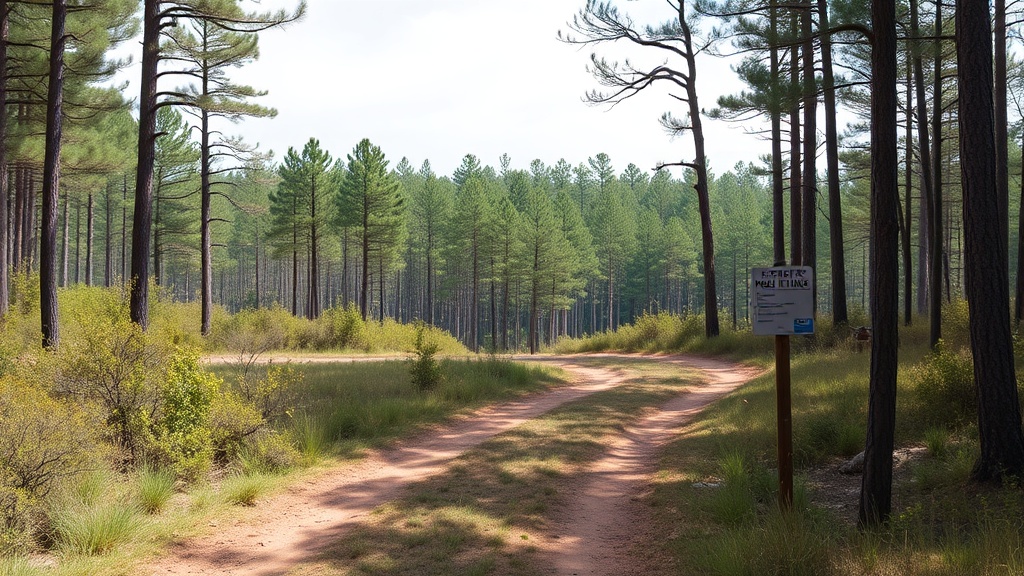
Georgia operates more than 100 WMAs totaling over one million acres. WMAs are the backbone of public hunting in the state and are distributed across every region.
- WMA Stamp Required: All hunters on WMAs must purchase a Georgia WMA stamp in addition to their hunting license and any applicable Big Game License.
- Quota Hunts: Many WMAs use a quota system for popular species and dates. Permits are awarded through an online drawing. Applications typically open in summer, and a drawing fee applies. Quota hunts manage hunter density and improve success rates.
- Walk-In Access: Some WMAs allow general walk-in hunting without a quota permit during regular seasons. Check individual WMA regulations for access details.
- Regulations May Differ: Individual WMAs may have specific rules regarding legal weapons, access times, camping, vehicle use, and bag limits that differ from statewide regulations. Always review the specific WMA regulation sheet before hunting.
Tip: Smaller, less well-known WMAs often receive less hunting pressure than popular areas. Use the GADNR interactive map to explore options beyond the well-known properties.
National Forests
Georgia has two national forests that provide extensive public hunting access:
- Chattahoochee National Forest — Located across the north Georgia mountains, this forest covers approximately 750,000 acres. It provides excellent habitat for deer, turkey, bear, grouse, and squirrel. The rugged terrain offers a backcountry hunting experience.
- Oconee National Forest — Located in the Piedmont region of central Georgia, the Oconee NF covers approximately 116,000 acres. It provides good deer and turkey hunting in a more accessible landscape.
Together, these two forests encompass roughly 866,000 acres of public land open to hunting. National forest hunting follows state seasons and regulations. A WMA stamp is generally not required on national forest land unless it is also designated as a WMA. National forests offer large, contiguous blocks of land without the quota restrictions common on WMAs.
National Wildlife Refuges
Several National Wildlife Refuges (NWRs) in Georgia allow hunting under specific regulations:
- Piedmont National Wildlife Refuge — Located in Jones County, central Georgia. Offers managed deer and turkey hunts. Refuge-specific permits and regulations apply.
- Bond Swamp NWR — Adjacent to Piedmont NWR. Provides additional deer and small game opportunities.
- Savannah NWR — Located near Savannah on the South Carolina border. Offers deer, feral hog, and limited waterfowl hunting.
- Banks Lake NWR — Located in south Georgia near Valdosta. Waterfowl and alligator hunting opportunities.
NWR hunts often have their own permit requirements, season dates, and access rules that differ from state regulations. Check with the U.S. Fish and Wildlife Service for current refuge hunting information.
State Parks with Hunting
A small number of Georgia state parks allow managed hunts, typically for deer population control. These hunts are limited and require special permits through the GADNR drawing system. They provide unique hunting opportunities on well-managed properties.
2. Private Hunting Land in Georgia
Private land hunting is a significant part of the Georgia hunting tradition, especially in the Coastal Plain and Piedmont regions.
| Private Access Type | Pros | Cons | Best For |
|---|---|---|---|
| Hunting Leases | Exclusive or semi-exclusive access, can set up stands and feeders in advance | Annual cost can be significant, requires scouting investment | Whitetail deer, turkey |
| Guided Hunts | Professional guides, high success rates, lodging often included | Most expensive option | Whitetail deer, waterfowl, feral hogs |
| Plantation Quail Hunts | Traditional South Georgia experience, dogs and guides provided, outstanding habitat | Premium pricing, limited season | Upland birds |
| Day Hunts | Low commitment, flexible scheduling | Limited time to learn the property | Dove, hogs, waterfowl |
Hunting Leases
Hunting leases are agreements with landowners granting seasonal or annual access to hunt on their property. Georgia lease agreements should clearly define:
- Allowed species and seasons
- Number of hunters permitted
- Stand placement and improvement rights
- Guest policies
- Liability and insurance requirements
- Camp and lodging provisions
Lease prices vary widely based on location, acreage, habitat quality, and deer management history. South Georgia timber company land tends to offer large tracts at moderate per-acre prices. Piedmont and mountain leases are often smaller but closer to major population centers.
Guided Hunts
Licensed outfitters operate across the state, offering guided hunts for deer, turkey, waterfowl, hogs, and quail. Guided hunts typically include meals, lodging, transportation on the property, and field care of harvested game. Some operations manage large acreages intensively for trophy whitetails.
Plantation Quail Hunts
South Georgia’s quail plantation tradition dates back over a century. The region between Albany and Thomasville is known as the Plantation Belt, where large landholdings are managed specifically for bobwhite quail habitat. These operations offer horseback or mule-wagon hunts over pointing dogs. While wild quail numbers have declined across much of the Southeast, many Georgia plantations maintain habitat that supports huntable populations of wild birds, supplemented by released birds on some properties.
3. Popular Game by Access Type
Georgia’s habitat diversity supports a wide range of game species across both public and private lands.
| Game Species | Public Land Opportunities | Private Land Opportunities |
|---|---|---|
| Whitetail Deer | WMA quota hunts, national forest, NWR managed hunts | Leases, guided trophy hunts, food plot management |
| Turkey | WMA and national forest spring hunts | Leased land across all regions, guided hunts |
| Waterfowl | Coastal WMAs, managed impoundments, national forest beaver ponds | Private flooded timber, managed duck impoundments |
| Feral Hogs | Allowed during other open seasons on most WMAs | Year-round, no limit, night hunting legal on private |
| Upland Birds | Select WMAs with quail habitat, dove fields | Plantation quail hunts, managed dove fields |
| Bear | Designated mountain WMAs and national forest | Limited to north Georgia mountain counties |
4. Choosing Your Georgia Hunting Land
When deciding between public and private options, consider:
- Budget: WMA access is the most affordable option, requiring only a license, Big Game License, and WMA stamp. Guided hunts and plantation quail hunts are the most expensive.
- Time Available: Public land hunting on WMAs and national forests often requires more scouting and travel. Guided hunts maximize your time in the field.
- Target Species: Match the habitat to your target species. North Georgia mountains for bear and mountain deer. Coastal marshes for waterfowl. South Georgia for quail and big-bodied deer.
- Experience Level: New hunters may benefit from guided hunts or mentored WMA quota hunts. Experienced hunters can find excellent self-guided opportunities on national forest land.
- Season Timing: Quota hunts have fixed dates. National forest and private land hunts offer more flexibility.
5. Regulations and Access Rules
Before hunting any land in Georgia:
- License and Permits: Valid hunting license required. Big Game License for deer, turkey, and bear. WMA stamp for WMA lands. See Georgia hunting regulations for full details.
| License/Permit | Residency | Fee | Includes |
|---|---|---|---|
| Resident Hunting License | Resident | $15.00 | hunting |
| Resident Sportsman License | Resident | $50.00 | hunting, fishing, all stamps |
| Non-Resident Hunting License | Nonresident | $200.00 | hunting |
| Non-Resident 7-Day Hunting License | Nonresident | $75.00 | hunting |
| Youth Hunting License | All | $0.00 | hunting |
| Senior Hunting License | Resident | $0.00 | hunting, fishing |
| Big Game License | Resident | $19.00 | deer, bear, turkey |
| Non-Resident Big Game License | Nonresident | $100.00 | deer, bear, turkey |
| Georgia Waterfowl License | All | $5.50 | waterfowl hunting |
| Federal Duck Stamp | All | $25.00 | waterfowl hunting |
| WMA License | All | $19.00 | wildlife management area access |
| Alligator Harvest Permit | All | $50.00 | alligator harvest |
- Trespass Laws: Written permission from the landowner is required for all private land hunting. Georgia law provides criminal penalties for hunting without permission. Posted land signs are not required for trespass law to apply.
- Hunter Education: Required for anyone born on or after January 1, 1961.
- Seasons and Bag Limits: Found in the annual GADNR hunting regulations digest and at Georgia hunting seasons.
- Safety: Wear 500 square inches of fluorescent orange above the waist during firearms deer season on public land. Follow all firearm safety rules.
6. Quick Access Comparison
| Access Type | Approximate Acreage | Permit/Fee Needed | Typical Game |
|---|---|---|---|
| WMAs | 1,000,000+ acres | WMA stamp, quota permits for some | Deer, turkey, small game, waterfowl, bear |
| National Forests | 866,000 acres | State license only (no WMA stamp unless co-managed) | Deer, turkey, bear, squirrel, grouse |
| NWRs | Varies by refuge | Refuge-specific permits | Deer, waterfowl, hogs |
| Private Lease | Varies | Lease agreement | Deer, turkey, hogs, quail |
| Guided Hunt | Varies | Outfitter booking | Deer, waterfowl, hogs, quail |
| Plantation Quail | 1,000-10,000+ acres | Booking with plantation | Quail, dove |
Final Takeaway
Georgia hunting land offers options for every budget, skill level, and target species. Whether you draw a coveted WMA quota hunt permit, hike deep into the Chattahoochee National Forest for mountain deer, set up on a managed duck impoundment along the coast, or experience a traditional South Georgia quail hunt, the key to success is planning, scouting, and staying current with Georgia hunting regulations.
Last verified: February 13, 2026 — Official source
More Georgia Hunting Resources
Explore Related Topics:
- Alabama Hunting Land: Your Guide to Public and Private Access
- Arkansas Hunting Land: Your Guide to Public and Private Access
- California Hunting Land: Your Guide to Public and Private Access
- Florida Hunting Land: Your Guide to Public and Private Access
- Idaho Hunting Land: Your Guide to Public and Private Access
Notice an update we should make?
We strive for accuracy. Contact us here if you see incorrect or outdated info on this page.