Arkansas is one of the best states in the country for public land hunting access. With over 3 million acres of national forest, more than 200 wildlife management areas, and some of the most famous national wildlife refuges on the continent, the Natural State offers exceptional opportunities for hunters of all experience levels. Arkansas also has a strong private land hunting tradition, particularly in the Delta region’s legendary duck clubs. Whether you are chasing whitetail deer, black bear, turkey, waterfowl, upland birds, or feral hogs, Arkansas has land to hunt. 1
1. Public Hunting Land in Arkansas
Arkansas’s public hunting land is managed by a combination of the Arkansas Game and Fish Commission (AGFC), the U.S. Forest Service, the U.S. Fish and Wildlife Service, and the U.S. Army Corps of Engineers. The state’s investment in public access is among the strongest in the Southeast.
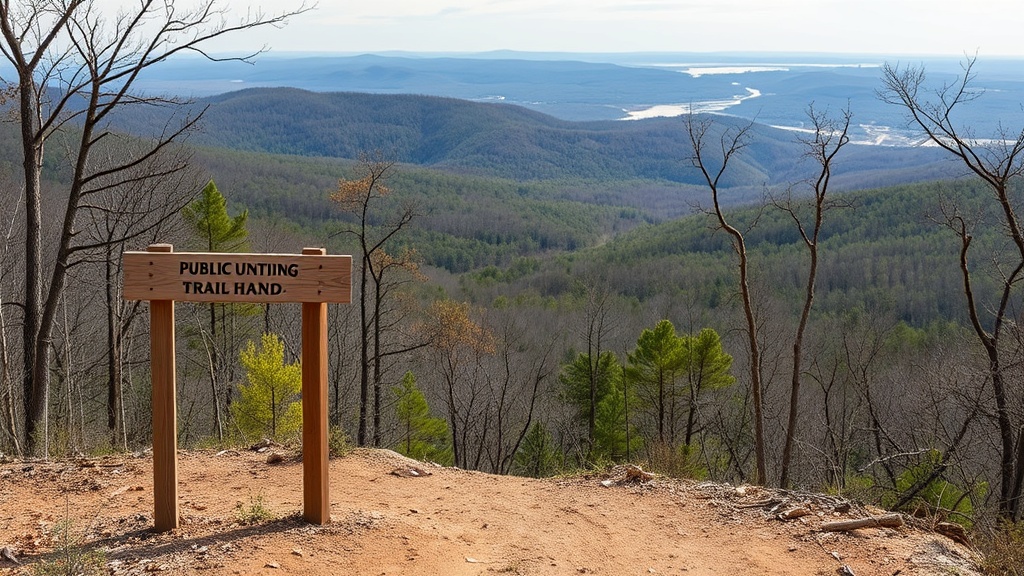
Ozark National Forest
The Ozark National Forest covers approximately 1.2 million acres in northwest and north-central Arkansas. It is one of the largest blocks of contiguous public hunting land east of the Mississippi River. Key features include:
- Rugged mountain terrain with hardwood ridges, creek bottoms, and limestone bluffs.
- Primary game: whitetail deer, turkey, black bear, squirrel, and feral hogs.
- Elk hunting zones overlap with portions of the Ozark NF in Newton and surrounding counties.
- Access via a network of forest roads. Some areas are remote and require planning for backcountry-style hunts.
Ouachita National Forest
The Ouachita National Forest is the largest national forest in the South, spanning approximately 1.8 million acres across west-central Arkansas and extending into eastern Oklahoma. Features include:
- East-west running ridges and valleys, distinct from the Ozarks’ geology.
- Primary game: whitetail deer, turkey, black bear, squirrel, and feral hogs.
- Bear hunting in the Ouachitas has grown significantly as bear populations expand.
- Extensive forest road system with dispersed camping opportunities near hunting areas.
Wildlife Management Areas (WMAs)
The AGFC manages over 200 WMAs across the state, totaling hundreds of thousands of acres. WMAs cover a wide range of habitats:
| WMA Type | Primary Habitat | Key Game Species |
|---|---|---|
| Bottomland Hardwood WMAs | Flooded timber, sloughs, oxbow lakes | Waterfowl, deer, turkey |
| Upland WMAs | Mixed hardwood/pine forests, fields | Deer, turkey, quail, feral hogs |
| Prairie/Wetland WMAs | Managed wetlands, rice fields | Waterfowl, dove |
| Mountain WMAs | Ozark/Ouachita hardwoods | Black bear, deer, turkey, squirrel |
A WMA permit is required for most WMA hunts. Some WMAs offer quota hunts for specific species that require a separate draw. Maps and regulations for individual WMAs are available on the AGFC website. 1
National Wildlife Refuges
Arkansas is home to some of the most storied national wildlife refuges in the nation, particularly for waterfowl:
| Refuge | Location | Primary Game | Notable Features |
|---|---|---|---|
| Cache River NWR | Eastern Arkansas (Augusta) | Waterfowl, deer | World Heritage wetlands, flooded timber duck hunting |
| White River NWR | Eastern Arkansas (St. Charles) | Waterfowl, deer | 160,000+ acres, one of the largest NWRs in the U.S. |
| Holla Bend NWR | Central Arkansas (Russellville) | Waterfowl, deer | Arkansas River bottomland, good goose hunting |
| Wapanocca NWR | NE Arkansas (Turrell) | Waterfowl | Managed wetlands in the Delta |
| Felsenthal NWR | Southern Arkansas (Crossett) | Deer, waterfowl, turkey | 65,000+ acres of bottomland hardwoods |
National wildlife refuges have their own regulations that may differ from state rules. Refuge-specific hunting maps, season dates, and permit requirements are available from the U.S. Fish and Wildlife Service.
Army Corps of Engineers Land
Land managed by the Army Corps of Engineers around Arkansas’s major reservoirs provides significant public hunting access:
- Beaver Lake (NW Arkansas): Deer, turkey, squirrel in Ozark timber.
- Greers Ferry Lake (north-central): Deer, turkey, waterfowl.
- DeGray Lake (SW Arkansas): Deer, turkey, squirrel.
- Millwood Lake (SW Arkansas): Waterfowl, deer.
- Norfork Lake (north-central): Deer, turkey.
Corps land is open to public hunting during legal seasons. Maps and access information are available from the respective lake project offices.
Tip: Army Corps land is often overlooked by hunters who focus on WMAs and national forests. This can mean lower hunting pressure and solid opportunities, especially for deer and turkey.
2. Private Hunting Land in Arkansas
Private land hunting in Arkansas has a deep tradition, especially in the Delta and Grand Prairie regions where duck hunting is woven into the culture.
| Private Access Type | Pros | Cons | Best For |
|---|---|---|---|
| Duck Clubs | Managed wetlands, high-quality habitat, exclusive access | Expensive membership fees, limited availability | Waterfowl |
| Hunting Leases | Season-long access, lower hunter pressure | Costs vary widely, requires scouting | Whitetail deer, turkey |
| Guided Hunts | Expert guides, high success, includes lodging | Highest cost | Black bear, trophy deer, waterfowl |
| Day Hunts | Flexible, lower commitment | Limited time on property | Dove, ducks, hogs |
| Permission-Based | Free or low cost | Requires effort to secure | All species |
Duck Clubs in the Grand Prairie
The Grand Prairie region around Stuttgart is the heart of Arkansas duck hunting culture. Private duck clubs in this area manage flooded rice fields, green timber impoundments, and moist-soil wetlands to attract massive flights of mallards and other ducks. Memberships in established duck clubs are highly sought after and can command significant annual fees. Some clubs offer daily or weekly guided hunts as an alternative to full membership.
Deer Leases
Deer hunting leases are available throughout central, southern, and western Arkansas. Lease costs vary by region, property quality, and deer management history. Southern Arkansas offers some of the state’s best whitetail habitat, and leases in this region can provide consistent deer hunting with less competition.
Guided Bear Hunts
Guided black bear hunts in the Ozark and Ouachita mountains have grown in popularity as bear populations expand. Outfitters typically provide lodging, meals, stand placement or hound dog services, and field care. Guided bear hunts are an excellent option for hunters new to bear hunting or unfamiliar with Arkansas’s mountain terrain.
Permission-Based Access
Many Arkansas landowners, particularly in rural areas, are willing to grant hunting permission to respectful, responsible hunters. Building relationships takes time but can lead to long-term access on productive private land. Always obtain written permission and confirm boundaries.
3. Popular Game and Where to Find Them
Arkansas’s diverse geography supports a wide range of game species in distinct regions.
| Game Species | Best Public Land Options | Best Private Land Options |
|---|---|---|
| Whitetail Deer | National forests, WMAs, Corps land | Managed leases, guided hunts |
| Black Bear | Ozark NF, Ouachita NF, mountain WMAs | Guided bear hunts |
| Turkey | National forests, timbered WMAs | River bottom timber leases |
| Waterfowl | Cache River NWR, White River NWR, wetland WMAs | Grand Prairie duck clubs, guided hunts |
| Upland Birds | Prairie WMAs, managed fields | Quail preserves, leased fields |
| Feral Hogs | National forests, WMAs | Year-round on private land |
Regional Highlights
- Northwest Arkansas (Ozarks): Bear hunting, turkey, deer, and the limited elk draw zone. Ozark NF provides millions of acres of access.
- West-Central Arkansas (Ouachitas): Bear, deer, turkey, and squirrel in the massive Ouachita NF. Growing bear population offers expanding opportunities.
- Eastern Arkansas (Delta): World-class duck hunting around Stuttgart, Cache River, and White River. Also productive for deer in bottomland hardwoods.
- Northeast Arkansas: Delta waterfowl along the Cache and White River corridors. Jonesboro is a gateway to legendary duck hunting areas.
- Southern Arkansas: Excellent deer and turkey hunting. Felsenthal NWR and surrounding WMAs provide quality public access. Traditional rabbit and squirrel hunting areas.
- Central Arkansas: Accessible from Little Rock, with Camp Robinson WMA, Ouachita NF foothills, and numerous WMAs within a short drive.
4. Choosing Your Arkansas Hunting Land
When deciding between public and private options in Arkansas, consider:
- Budget: National forests and WMAs are accessible with a license and WMA permit. Duck clubs and guided hunts are the most expensive.
- Target Species: Match your access to the species. Grand Prairie for ducks, Ozarks for bear, southern timber for deer.
- Time Available: Public land success often requires scouting. Guided hunts provide established setups and local knowledge.
- Experience Level: New hunters may benefit from guided trips. Experienced public land hunters will find millions of acres to explore.
- Hunting Pressure: Popular WMAs and NWRs see heavy pressure during waterfowl and gun deer seasons. Weekday hunts and less-known tracts reduce competition.
- Location: Arkansas covers diverse terrain. Plan your travel based on the region that matches your target species.
5. Regulations and Safety
Before hunting in Arkansas:
- License and Permits: Valid hunting license required. WMA permit for most WMA hunts. Duck stamps for waterfowl. See Arkansas hunting regulations.
| License/Permit | Residency | Fee | Includes |
|---|---|---|---|
| Resident Hunting License | Resident | $10.50 | hunting |
| Resident Sportsman License | Resident | $25.00 | hunting, fishing, trapping |
| Non-Resident Hunting License | Nonresident | $350.00 | hunting |
| Non-Resident 5-Day Hunting License | Nonresident | $100.00 | hunting |
| Youth Hunting License | Resident | $0.00 | hunting |
| Senior Hunting License | Resident | $0.00 | hunting, fishing |
| Resident Deer Permit | Resident | $10.50 | deer hunting |
| Non-Resident Deer Permit | Nonresident | $100.00 | deer hunting |
| Resident Turkey Permit | Resident | $7.00 | turkey hunting |
| Non-Resident Turkey Permit | Nonresident | $50.00 | turkey hunting |
| Resident Bear Permit | Resident | $10.50 | bear hunting |
| Non-Resident Bear Permit | Nonresident | $200.00 | bear hunting |
| State Duck Stamp | All | $7.00 | waterfowl hunting |
| Federal Duck Stamp | All | $25.00 | waterfowl hunting |
- Hunter Education: Required for anyone born after 1968.
- Bag Limits and Seasons: Found in the annual Arkansas Hunting Guidebook. Check Arkansas season dates.
- Safety:
- Know your target and what is beyond it.
- Wear fluorescent orange when required during gun deer seasons.
- Follow firearm handling rules at all times.
- Use a safety harness in tree stands.
6. Quick Access Comparison
| Access Type | Approximate Acreage | Permit Needed | Typical Game |
|---|---|---|---|
| Ozark National Forest | 1.2 million acres | Hunting license | Deer, turkey, bear, squirrel |
| Ouachita National Forest | 1.8 million acres | Hunting license | Deer, turkey, bear, squirrel |
| WMAs | Hundreds of thousands of acres | License + WMA permit | All species |
| National Wildlife Refuges | 300,000+ acres combined | License + refuge permits | Waterfowl, deer |
| Army Corps Land | Varies by lake | Hunting license | Deer, turkey, waterfowl |
| Private Lease/Club | Varies | Lease or membership | Trophy deer, waterfowl, bear |
| Guided Hunt | Varies | Outfitter booking | Bear, deer, waterfowl |
Final checklist
- Confirm rules on the official AGFC website before every hunt.
- Purchase your WMA permit if hunting on wildlife management areas.
- Apply for elk and quota hunt draws well before deadlines.
- Scout WMAs and national forest areas using AGFC maps and U.S. Forest Service maps.
- Save maps for offline use, especially in remote mountain areas.
- Pack essentials, verify tags and stamps, and carry your WMA permit.
- Review safety and access rules before you leave.
Arkansas hunting land offers some of the best public access in the eastern United States. Whether you wade into flooded timber at dawn on Cache River, climb an Ozark ridge to glass for bear, or set up on a pine flat for deer in the Ouachitas, Arkansas delivers outstanding hunting across every landscape.
Last verified: February 13, 2026 — Official source
More Arkansas Hunting Resources
Explore Related Topics:
- Alabama Hunting Land: Your Guide to Public and Private Access
- California Hunting Land: Your Guide to Public and Private Access
- Florida Hunting Land: Your Guide to Public and Private Access
- Georgia Hunting Land: Your Guide to Public and Private Access
- Idaho Hunting Land: Your Guide to Public and Private Access
Notice an update we should make?
We strive for accuracy. Contact us here if you see incorrect or outdated info on this page.