Finding a place to hunt is one of the first steps for any hunter. The options generally fall into two main categories: public land and private land. Each has its own rules, challenges, and benefits. Understanding these differences will help you choose the best place for your next hunt.
Hunting Public Land
Public lands are managed by state or federal agencies and are open for public use, including hunting. These lands are accessible to anyone with the proper licenses and tags.
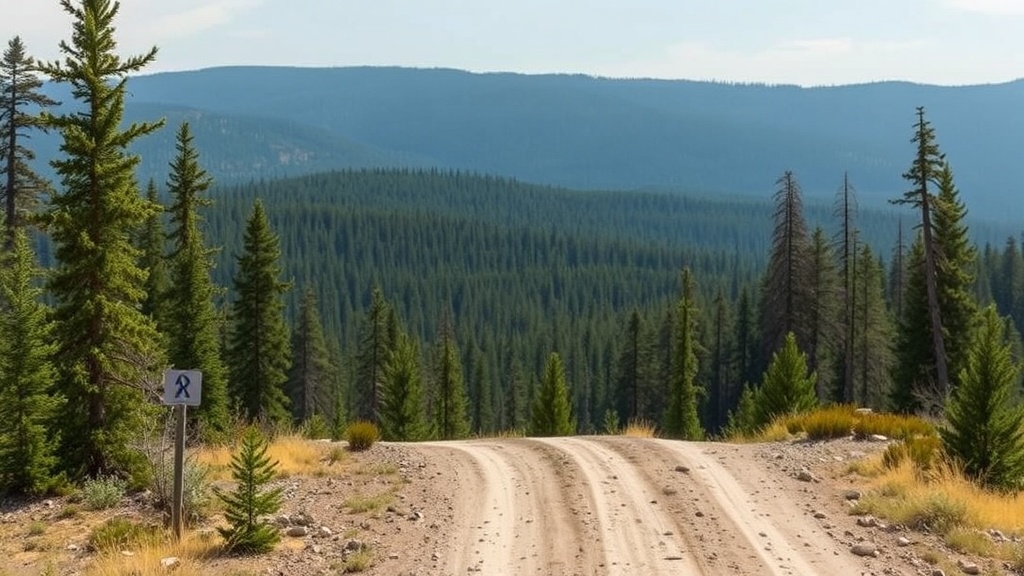
Types of Public Land
Several types of public land are available for hunting across the United States.
- National Forests: Managed by the U.S. Forest Service, these lands often offer large, continuous tracts of huntable territory. They are found in many states, especially in the West. 1
- Bureau of Land Management (BLM) Land: BLM manages vast areas of public land, primarily in the Western states. These lands are usually multi-use, meaning they are open for hunting, recreation, and grazing. 2
- State Wildlife Management Areas (WMAs): These areas are managed by state wildlife agencies. They are specifically purchased or set aside for wildlife habitat and public recreation, including hunting. Rules vary significantly by state. 3
- State Forests and Parks: Some state forests and parks allow hunting. Check individual state regulations, as rules can be very strict in these areas.
- National Wildlife Refuges (NWRs): Managed by the U.S. Fish and Wildlife Service, some refuges allow hunting. Regulations are often very specific regarding species, seasons, and methods. 4
Benefits of Public Land Hunting
- Accessibility: Public land is open to everyone. You do not need special permission or to pay for access beyond your licenses and tags.
- Cost-Effective: It is generally the least expensive way to hunt.
- Vast Areas: Many public land units are huge, offering extensive areas to explore and hunt.
- Challenge: Public land hunting can be more challenging due to hunting pressure, but this also means a greater sense of accomplishment.
Challenges of Public Land Hunting
- Hunting Pressure: Because it is free and open, public land often sees more hunters. This can make animals more wary.
- Regulations: Rules can be complex and vary even within different units of the same land type. Always check specific area regulations.
- Scouting: Finding good hunting spots requires significant scouting. You will need to learn the land and animal movements.
- Facilities: Public lands often have limited facilities. You might need to be self-sufficient.
Hunting Private Land
Hunting on private land generally offers a different experience than public land. It requires permission, a lease, or ownership.
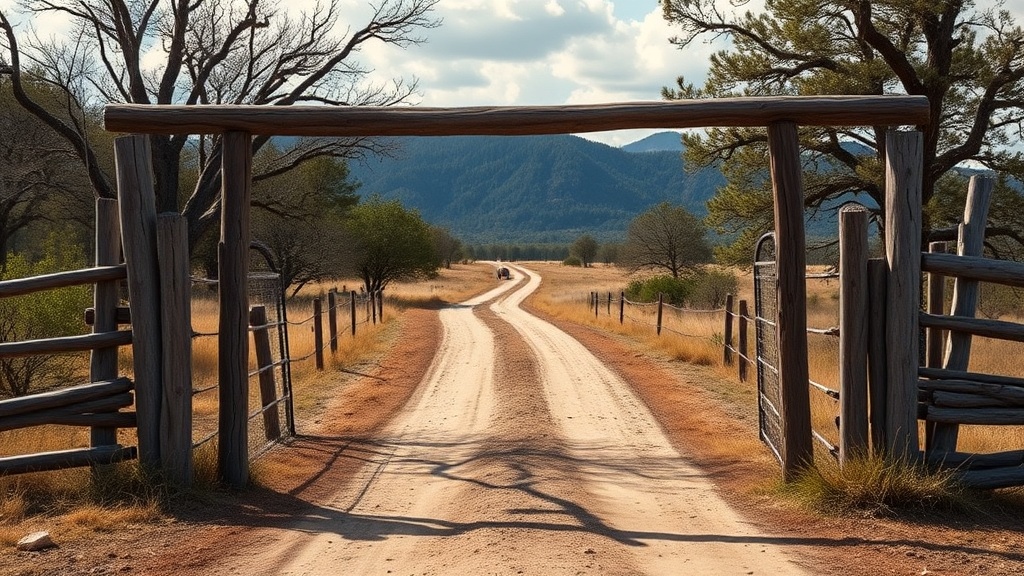
Hunting with Permission
One common way to hunt private land is by asking the landowner for permission. This often works best with smaller landowners or those you know.
- How to Ask: Approach landowners respectfully. Be clear about what you want to hunt, when, and how. Offer to help with chores or provide a share of the harvest.
- Benefits: It can be free. You might have exclusive access to a property.
- Challenges: It can be hard to get permission from strangers. Landowners might be hesitant due to liability concerns or past bad experiences. Building trust takes time.
- Key Consideration: Always get clear permission and understand any landowner rules. A written agreement is best.
Hunting Leases
Hunting leases involve paying a landowner for exclusive hunting rights for a defined period, usually a year.
- Types of Leases:
- Individual Lease: One person leases a property.
- Family Lease: A family leases a property.
- Group Lease: Multiple hunters share a lease, often splitting the cost and managing the property together.
- Benefits:
- Exclusive Access: You typically have the property to yourself or your group.
- Reduced Pressure: Less hunting pressure can lead to more opportunities and less wary animals.
- Management Potential: You can often implement wildlife management practices like food plots or habitat improvement.
- Convenience: You know where you are going to hunt each season.
- Challenges:
- Cost: Leases can be expensive, ranging from hundreds to thousands of dollars per hunter, per year, depending on location, size, and game quality.
- Liability: Lease agreements often include liability clauses.
- Commitment: Leases are usually for a full year, requiring a significant commitment.
- Lease Agreements: Always have a written lease agreement. It should clearly define the duration, cost, species, number of hunters, land boundaries, and any rules or restrictions.
Hunting Your Own Land
Owning land provides the most control over hunting opportunities.
- Benefits: Complete control over management, season dates (within state regulations), and hunting pressure. You establish your own rules.
- Challenges: Significant financial investment to purchase and maintain land. Property taxes and other ongoing costs.
- Considerations: Even on your own land, you must follow state hunting regulations regarding licenses, season dates, bag limits, and legal hunting methods.
Guided Hunts and Outfitters
For a different experience, or if you are short on time, consider booking a guided hunt with an outfitter.
- How it Works: Outfitters typically own or lease large tracts of land, or they have permits to guide on public land. They provide guides, lodging, meals, and often processing services.
- Benefits:
- Expert Knowledge: Guides know the area and animal behavior.
- Increased Success Rates: Outfitters often have high success rates due to their expertise and controlled environments.
- Convenience: Most logistics are handled for you.
- Access: You can hunt prime private land or remote public areas you might not otherwise access.
- Challenges:
- Cost: Guided hunts are the most expensive way to hunt, ranging from hundreds to tens of thousands of dollars.
- Less DIY: Some hunters prefer the challenge of planning and executing their own hunt.
Important Considerations for All Hunting Locations
No matter where you choose to hunt, several absolute rules always apply.
Safety
Always prioritize safety. This includes knowing your target and what lies beyond it, using proper firearm handling, and letting someone know where you are hunting. 5
Regulations
Hunting is highly regulated. You must know and follow all federal, state, and local laws. This includes license requirements, season dates, bag limits, and hunter education rules. Check specific unit regulations for public land and respect private landowner rules.
- State Regulations: You must have the correct hunting license for the state. You will also need species-specific tags. Check Texas season dates.
- Hunter Education: Many states require hunter education courses, especially for new hunters. Review hunter education requirements.
Scouting and Planning
Regardless of where you hunt, thorough scouting and planning improve your chances of success and safety. Understand the terrain, animal patterns, and access points.
Respect for the Land and Others
Be a responsible hunter. This means leaving no trace, respecting private property boundaries, and being courteous to other hunters or land users.
Choosing where to hunt depends on your budget, time, experience, and the kind of hunting experience you seek. Whether it is expansive public land, a private tract, or a guided adventure, the key is to understand the rules and prepare properly. Start planning your hunt by checking the regulations for your chosen area.
Related Resources
- Check hunting seasons by state to align your land access plans with open dates
- Review hunting regulations by state for weapon restrictions, bag limits, and legal requirements
- Prepare with our public land checklist before heading out to federal or state ground
- Read our private land permission guide for tips on securing access from landowners
- Learn field skills in our scouting basics guide to make the most of any property
- Browse hunting locations across the US for state-specific access and logistics info
Explore Related Topics:
- Alabama Hunting Land: Your Guide to Public and Private Access
- Arkansas Hunting Land: Your Guide to Public and Private Access
- California Hunting Land: Your Guide to Public and Private Access
- Florida Hunting Land: Your Guide to Public and Private Access
- Georgia Hunting Land: Your Guide to Public and Private Access
Notice an update we should make?
We strive for accuracy. Contact us here if you see incorrect or outdated info on this page.