Virginia is home to outstanding hunting opportunities, from white-tailed deer in the Blue Ridge foothills to black bear in the western mountains and waterfowl along the Chesapeake Bay. The state manages millions of acres of national forest, wildlife management areas, and private timberland that support healthy game populations across diverse terrain.
The Virginia Department of Wildlife Resources (DWR) oversees all hunting licenses, regulations, and wildlife management in the Commonwealth. Whether you are a first-time hunter or an experienced sportsman planning a trip to Virginia, understanding the licensing system is the first step toward a legal and successful hunt.
Virginia’s licensing process is straightforward once you know the requirements. This guide walks you through hunter education, the different license types available, how to purchase your license, and what additional tags or stamps you may need before heading into the field.1
| License/Permit | Residency | Fee | Includes |
|---|---|---|---|
| Resident Hunting License | Resident | $23.00 | hunting |
| Non-Resident Basic Hunting License | Nonresident | $110.00 | hunting |
| Non-Resident Big Game Hunting License | Nonresident | $250.00 | hunting, deer, bear, turkey |
| Resident Sportsman License | Resident | $99.00 | hunting, fishing, deer tag, turkey tag, bear stamp, archery stamp, muzzleloader stamp |
| Deer/Muzzleloader Stamp | Resident | $17.00 | deer hunting, muzzleloader privilege |
| Archery Stamp | Resident | $17.00 | archery hunting privilege |
| Bear Stamp | Resident | $17.00 | bear hunting |
| Turkey Stamp | Resident | $17.00 | turkey hunting |
| Youth Hunting License | Resident | $7.50 | hunting |
| Senior Citizen Hunting License | Resident | $8.00 | hunting |
| Virginia Waterfowl Stamp | All | $10.00 | waterfowl hunting |
| Federal Duck Stamp | All | $25.00 | waterfowl hunting |
Hunter Education Requirements
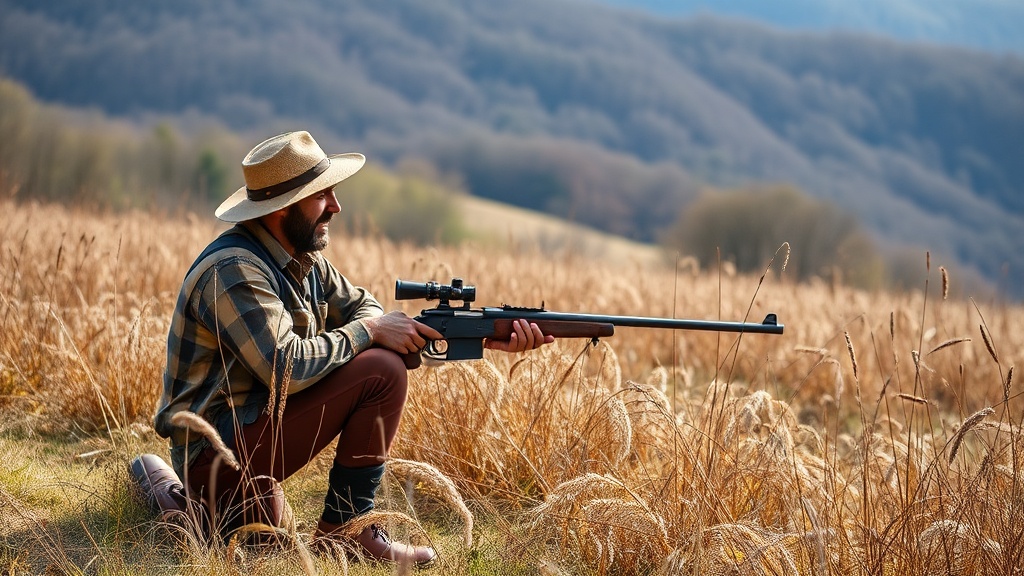
Virginia requires all first-time license buyers to complete a hunter education course before purchasing a hunting license. This applies to both residents and non-residents, regardless of age. There is no birth-year cutoff – if you have never held a Virginia hunting license, you must complete the course.
Course Options
Virginia offers several ways to meet the hunter education requirement:
- Classroom course: A traditional in-person course taught by DWR-certified volunteer instructors. These are offered throughout the year at locations across the state and typically require 6 to 10 hours of instruction.
- Online course with field day: Complete the classroom portion online at your own pace, then attend a mandatory in-person field day to demonstrate safe firearm handling and pass the final exam.
- Home study: A self-study workbook option followed by an in-person field day and exam.
Minimum Age
There is no minimum age to take hunter education in Virginia. However, youth hunters under 12 must be accompanied by a licensed adult while hunting, and youth under 16 receive certain license exemptions (covered below).
Exemptions
Virginia does not offer a blanket exemption from hunter education. However, hunters who hold a valid hunter education certificate from another state or province do not need to retake the course. Virginia recognizes hunter education certificates from all U.S. states and Canadian provinces through the International Hunter Education Association (IHEA) reciprocity agreement.
Active-duty military members stationed in Virginia may also qualify for certain exemptions. Check the DWR website for the latest details.
Types of Hunting Licenses
Virginia offers a range of hunting licenses based on residency, age, and the type of game you plan to pursue. Residency generally requires living in Virginia for at least 6 months or being domiciled in the state.
| License Type | Who Qualifies | Key Notes |
|---|---|---|
| Resident Hunting License | Virginia residents | Covers basic hunting privileges for most game |
| Non-Resident Hunting License | Out-of-state hunters | Required for anyone who does not meet Virginia residency |
| Youth Hunting License | Residents under 16 | Reduced-cost option for young hunters |
| Senior Hunting License | Residents 65 and older | Discounted license for senior hunters |
| Lifetime Hunting License | Virginia residents | One-time purchase; covers hunting for life |
| Sportsman License | Virginia residents | Combo license covering hunting, fishing, and additional privileges |
| 3-Day Trip License | Non-residents | Short-term option for brief hunting trips |
| Military License | Active-duty stationed in VA | Available to active military personnel assigned to Virginia |
A resident hunting license costs $23.00, while the Resident Sportsman License ($99.00) includes all hunting and fishing privileges plus stamps. Non-residents pay $110.00 for the basic license or $250.00 for the Big Game license that includes deer, bear, and turkey. The Deer/Muzzleloader Stamp ($17.00) is required for deer hunting during firearms and muzzleloader seasons.
Tags, Stamps, and Permits
A base hunting license covers general small game hunting in Virginia, but several species and activities require additional endorsements:

- Deer and turkey tags: Virginia uses a tag system for deer and turkey. Your license includes a set number of tags, but you may need additional bonus tags depending on the county and season.
- Bear license: A separate bear hunting license is required to hunt black bear in Virginia. This is purchased in addition to your base hunting license.
- Archery license: Required to hunt during the early archery deer and bear season.
- Muzzleloader license: Required to hunt during the muzzleloader season.
- Federal Duck Stamp: Required for hunting migratory waterfowl, purchased separately through the U.S. Postal Service or at select retailers.
- HIP registration: Harvest Information Program registration is required for all migratory bird hunters, including dove and waterfowl hunters. You can complete HIP registration when purchasing your license.
- DMAP tags (Damage Management Assistance Program): Antlerless deer tags available on properties enrolled in the DMAP program. These help manage deer populations in areas where crop or habitat damage is a concern.
- Earn-a-Buck: In certain counties, hunters must harvest an antlerless deer before taking a second antlered buck. Check the regulations for which counties participate.
How to Buy Your License
Virginia offers several convenient ways to purchase a hunting license.
Online
The primary method is through Go Outdoors Virginia at GoOutdoorsVirginia.com. This is the DWR’s official online licensing portal. You can purchase licenses, tags, stamps, and permits 24 hours a day. You will need to create an account if you are a first-time buyer.
In Person
Hunting licenses are available at authorized agents throughout Virginia, including sporting goods stores, Walmart locations, and some general stores. You can also visit DWR regional offices.
Phone
You can purchase a license by calling the Go Outdoors Virginia customer service line. Have your personal information, hunter education number, and payment method ready.
Mobile App
Virginia offers the Go Outdoors Virginia mobile app for iOS and Android. You can buy your license through the app and carry a digital copy in the field as proof of licensure.
Required Documents
When purchasing a hunting license, you will typically need:
- Valid photo identification (driver’s license or state-issued ID)
- Proof of Virginia residency (if buying a resident license)
- Hunter education certificate or certification number
- Social Security number (required by Virginia law for license purchases)
Application Deadlines and Important Dates
Most Virginia hunting licenses go on sale in late June or early July for the upcoming license year, which runs from July 1 through June 30.
Key Dates to Know
- License year: July 1 through June 30
- Deer archery season: Typically opens in early October
- General firearms deer season: Typically opens in mid-November
- Fall turkey season: Varies by region; check DWR regulations
- Spring turkey season: Typically opens in April
- Bonus deer tags: Available through the Go Outdoors Virginia system; quantities and availability vary by county
Virginia does not use a draw or lottery system for most hunting licenses. Deer, turkey, and bear tags are available over the counter. However, some elk hunting opportunities in southwest Virginia are managed through a limited draw. Check the DWR website for elk lottery details and application windows.
Reciprocity and Out-of-State Hunters
Non-resident hunters are welcome in Virginia and have access to the same public lands and seasons as residents. Here are key considerations for out-of-state hunters:
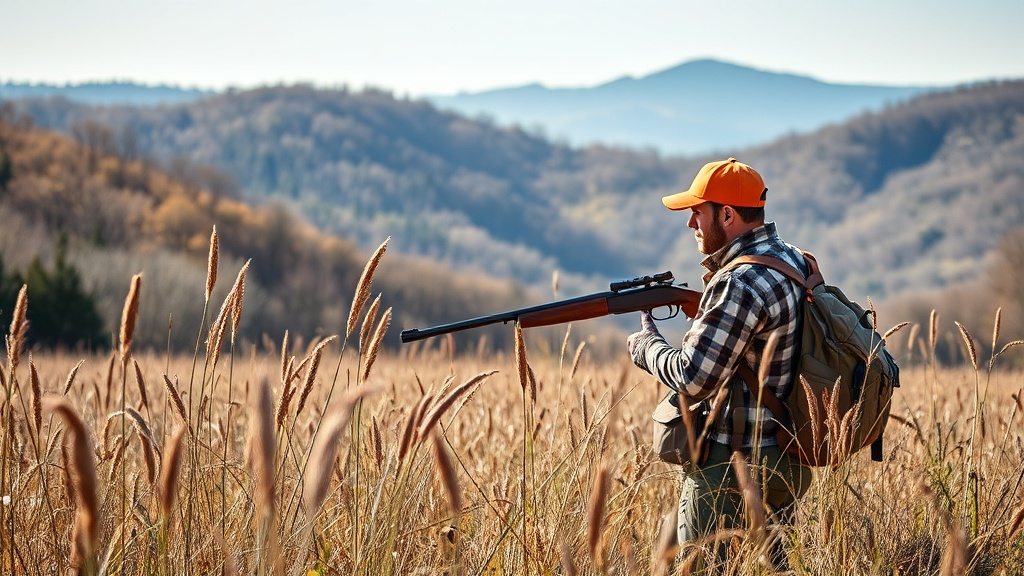
- Non-resident licenses: Available for purchase through Go Outdoors Virginia or at authorized agents. Non-resident licenses cost more than resident licenses.
- Hunter education: Virginia accepts hunter education certificates from all U.S. states and Canadian provinces. Bring your certificate or know your certification number when purchasing a license.
- Short-term options: The 3-day trip hunting license is a cost-effective option for non-residents making a brief visit.
- National forest and WMA access: Non-residents can hunt Virginia’s national forests and wildlife management areas under the same rules as residents. No additional land-access permits are required for most public land.
There are no non-resident caps or quotas for general hunting licenses in Virginia, so you do not need to worry about licenses selling out.
Special Considerations
Landowner Privileges
Virginia landowners and their immediate family members can hunt on their own land without a hunting license for certain species. However, a hunting license is still recommended for recordkeeping purposes and is required for some species like migratory birds that fall under federal regulations. Landowners must still follow all season dates, bag limits, and reporting requirements.
Disabled Hunter Permits
Virginia offers special hunting permits and accommodations for hunters with disabilities. These may include the ability to hunt from a vehicle, use a crossbow during archery season, or other modifications. Contact DWR for application details and required medical documentation.
Apprentice Hunting License
Virginia offers an apprentice hunting license that allows first-time hunters to try hunting before completing hunter education. Apprentice hunters must be accompanied by a licensed adult mentor at all times while in the field. This license can typically be purchased once and is designed to encourage new hunter recruitment.
Youth Hunting
Virginia provides youth-only hunting days for deer and turkey, giving young hunters a chance to hunt with less pressure. Youth under 12 must be accompanied by an adult at all times. Youth ages 12 to 15 can hunt independently but must carry their license and follow all regulations.
DMAP and Earn-a-Buck Programs
The Damage Management Assistance Program (DMAP) provides additional antlerless deer tags for properties enrolled in the program. These tags help landowners manage deer damage while providing hunters with extra harvest opportunities. The Earn-a-Buck requirement in some counties means you must check an antlerless deer before harvesting a second antlered buck during the firearms season. Check DWR regulations for the list of participating counties each year.
Planning Your Hunt
Once you have your Virginia hunting license, take time to prepare for a successful season. The following resources on HuntingPrime will help you plan:
- Virginia Hunting Seasons: Check current season dates and bag limits in our Virginia hunting season guide.
- Virginia Hunting Regulations: Review the full breakdown of rules and legal requirements in our Virginia hunting regulations guide.
- Virginia Land Access: Find public hunting land, WMAs, and national forests in our Virginia land access guide.
- General Guides: Browse our full library of hunting guides for tips on scouting, gear, field care, and more.
Always verify current regulations directly with the Virginia Department of Wildlife Resources before heading into the field. Regulations can change from year to year, and it is your responsibility as a hunter to stay informed.
Last verified: February 13, 2026 — Official sourceExplore Related Topics:
Notice an update we should make?
We strive for accuracy. Contact us here if you see incorrect or outdated info on this page.