North Carolina’s geographic diversity, from the Appalachian Mountains in the west to the coastal plains along the Atlantic, creates habitat for a wide variety of game species. Whitetail deer, wild turkey, black bear, waterfowl, and small game all draw hunters to the state’s public and private lands throughout the year. The North Carolina Wildlife Resources Commission (NCWRC) oversees all hunting licenses, seasons, and wildlife management in the state.
Understanding North Carolina’s licensing structure is essential before heading into the field. The state uses a system where a base hunting license is required, and additional stamps, permits, and game tags are layered on depending on the species and land you plan to hunt. Getting everything in order before opening day keeps you legal and lets you focus on the hunt itself.
This guide breaks down every element of the North Carolina hunting license process so you know exactly what you need, how to get it, and when key deadlines fall.
| License/Permit | Residency | Fee | Includes |
|---|---|---|---|
| Resident Hunting License | Resident | $25.00 | hunting |
| Resident Sportsman License | Resident | $50.00 | hunting, fishing, all privileges |
| Non-Resident Hunting License | Nonresident | $100.00 | hunting |
| Non-Resident 10-Day Hunting License | Nonresident | $60.00 | hunting |
| Youth Hunting License | All | $0.00 | hunting |
| Senior Hunting License | Resident | $15.00 | hunting |
| Big Game Privilege License | Resident | $13.00 | deer, bear, turkey, wild boar |
| Non-Resident Big Game Privilege | Nonresident | $80.00 | deer, bear, turkey, wild boar |
| Game Lands License | All | $20.00 | game lands access |
| NC Waterfowl Privilege License | All | $6.00 | waterfowl hunting |
| Federal Duck Stamp | All | $25.00 | waterfowl hunting |
| Disabled Veteran Hunting/Fishing | Resident | $0.00 | hunting, fishing |
Hunter Education Requirements
North Carolina requires all first-time hunting license buyers to complete an approved hunter education course. There is no birth-date exemption in North Carolina, so regardless of your age, if you have never been licensed to hunt in North Carolina or another state, you must complete hunter education before purchasing a license.
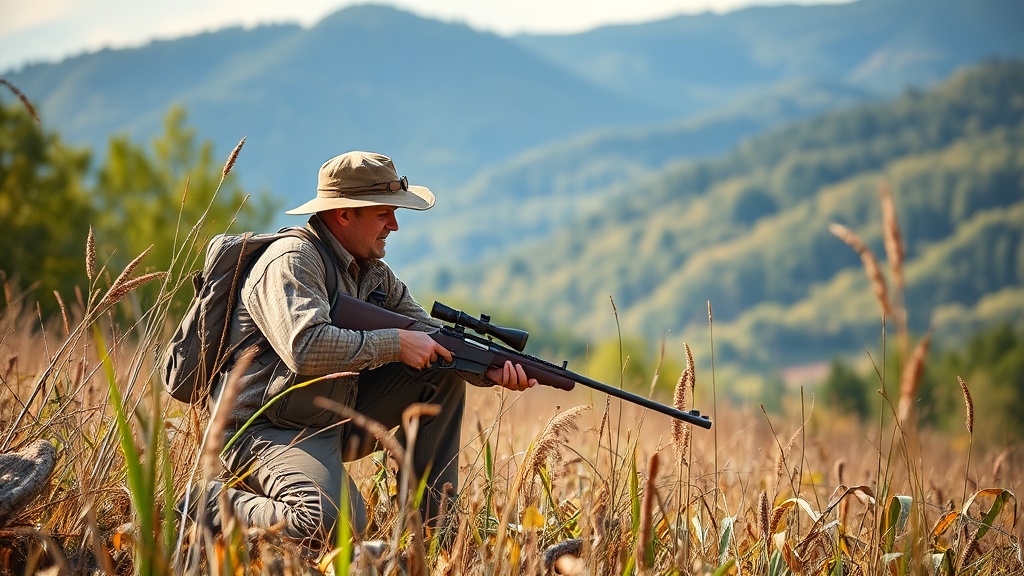 The NCWRC offers several course formats to accommodate different schedules. The traditional in-person course is taught by certified volunteer instructors and covers firearms safety, wildlife identification, outdoor survival, and hunting ethics. These courses are held at locations across the state and typically run over one or two days.
An online course option is available through NCWRC-approved providers. The online portion can be completed at your own pace, but North Carolina requires you to attend a hands-on field day to finalize certification. During the field day, you will demonstrate safe handling of firearms and complete practical exercises.
The minimum age to earn a hunter education certificate in North Carolina is typically around 12, though younger participants may attend courses. Youth under 16 can hunt without hunter education if accompanied by a licensed adult under the state’s supervision requirements. North Carolina recognizes hunter education certificates from all other US states and Canadian provinces with approved programs.
Types of Hunting Licenses
North Carolina’s license structure starts with a base hunting license and allows hunters to add permits and stamps for specific species and activities.
| License Type | Who Qualifies | Key Notes |
|---|---|---|
| Resident Hunting License | NC residents 16 and older | Required base license for all hunting |
| Non-Resident Hunting License | Out-of-state hunters | Available as full-season or short-term options |
| Unified Sportsman License | NC residents | All-in-one combo covering hunting, fishing, and all inland game stamps |
| Youth Hunting License | Residents under 16 | Reduced cost; supervision requirements apply for younger hunters |
| Senior Hunting License | Residents 70 and older | Discounted or free depending on qualifying criteria |
| Lifetime Hunting License | NC residents | One-time purchase; available at tiered pricing based on age at purchase |
| Military/Veteran License | Active duty and qualifying veterans | Discounted rates; some free licenses for disabled veterans |
| Non-Resident 10-Day Hunting License | Out-of-state hunters on short trips | Valid for 10 consecutive days |
| Comprehensive Hunting License | Residents wanting broad coverage | Includes big game, game lands, and primitive weapons privileges |
A resident hunting license costs $25.00, with a Big Game Privilege ($13.00) required for deer, bear, and turkey. The Resident Sportsman License ($50.00) bundles all hunting and fishing privileges together. Non-residents pay $100.00 for the base license or $60.00 for a 10-day trip license.
Tags, Stamps, and Permits
Beyond the base hunting license, North Carolina requires additional tags, stamps, and permits depending on what you hunt and where.
 Big game tags are required for deer, bear, and turkey. Deer tags come with specific limits based on the season and county. North Carolina manages deer harvest through a tag system where hunters must record each harvested deer before moving it from the kill site. Bonus antlerless deer tags are available in certain counties where NCWRC is managing higher deer populations. These additional tags allow hunters to harvest antlerless deer beyond the standard bag limit and are often available over the counter.
Turkey tags are required for spring and fall turkey seasons. Bag limits and season structures vary between the two seasons, so check the current regulations for the area you plan to hunt.
Bear tags are needed for black bear hunting in western North Carolina and select eastern counties. Bear seasons have specific geographic zones with different opening and closing dates.
A Game Lands License is required for hunting on any NCWRC-managed game lands. This is included in the Unified Sportsman License and the Comprehensive Hunting License but must be purchased separately if you hold only a basic hunting license.
Waterfowl hunting requires a North Carolina Waterfowl Privilege in addition to the Federal Migratory Bird Stamp (Duck Stamp). Hunters must also register with the Harvest Information Program (HIP) before hunting any migratory birds.
Controlled hunts on game lands are offered for deer, turkey, bear, waterfowl, and other species. Applications for controlled hunts are submitted through the NCWRC licensing system during designated periods, and permits are awarded through a random drawing.
Archery and muzzleloader stamps are not required as separate endorsements in North Carolina, but you must hunt during the designated season dates for those weapon types and follow all method-specific regulations.
How to Buy Your License
North Carolina hunting licenses are available through the NCWRC online licensing portal at ncwildlife.org. The system lets you create an account, purchase licenses, add stamps and permits, apply for controlled hunts, and access your license digitally. You will need your Social Security number, a valid form of identification, and proof of residency for resident licenses.
Licenses can also be purchased in person at NCWRC offices and authorized retail agents across the state. Many sporting goods stores, hardware stores, and general retailers serve as license agents and can process your purchase on the spot.
Phone purchases are available through the NCWRC customer service line during business hours. Have your personal information and payment details ready before calling.
North Carolina supports electronic license display on your smartphone. A digital copy of your license is legally valid in the field, though carrying a printed backup is a sensible precaution for areas with limited cell coverage.
Application Deadlines and Important Dates
North Carolina’s hunting licenses are valid from August 1 through the following July 31 each year. New licenses go on sale before the August 1 start date, so you can be ready for early fall seasons.
Controlled hunt applications have specific deadlines that vary by species and game land area. Most application periods open in the summer and close before the scheduled hunt date. The NCWRC publishes a controlled hunt schedule on its website with all relevant dates.
Bonus antlerless deer tags are typically available starting in late summer and can be purchased through the online system or at retail agents. Availability and eligible counties are announced each year based on population management goals.
North Carolina does not use a preference point or bonus point system for controlled hunts. Each drawing is random, so every applicant has an equal chance regardless of previous application history.
Turkey season dates are set annually. Spring gobbler season typically opens in April, and hunters should verify dates through NCWRC before making plans, as specific opening and closing dates may shift slightly each year.
Reciprocity and Out-of-State Hunters
Non-resident hunters can purchase North Carolina licenses through the same NCWRC online portal used by residents. Non-resident fees are higher, and the state offers both a full-season non-resident license and a 10-day option for shorter visits.
 North Carolina accepts hunter education certifications from all US states and Canadian provinces with approved programs. Non-resident hunters should have their certification number available when setting up their NCWRC account.
Non-residents have access to game lands and controlled hunts under the same rules as residents. A Game Lands License must be purchased in addition to the base hunting license. Some controlled hunt drawings may allocate a portion of permits to residents, so check the specific hunt listing for details.
Non-resident hunters coming from neighboring states like Virginia, Tennessee, South Carolina, and Georgia will find the process straightforward. The online system is designed to handle out-of-state transactions without requiring an in-person visit.
Special Considerations
Landowner exemptions in North Carolina allow qualifying resident landowners to hunt on their own property without purchasing a hunting license for certain species. However, harvest reporting and tag requirements still apply. Landowners should review the specific exemptions on the NCWRC website to understand what is and is not covered.
Disabled hunter permits are available for individuals with qualifying physical disabilities. These permits may allow crossbow use during archery-only seasons, vehicle-based hunting on private land, or access to accessibility-designed hunting areas on game lands. A completed medical certification form is required.
North Carolina offers a Mentored Hunting Program that allows unlicensed individuals to try hunting under the supervision of a licensed adult mentor. The mentored hunter does not need to complete hunter education beforehand, making this an excellent pathway for adults or older youth who are curious about hunting but not yet committed to the full certification process.
The Unified Sportsman License is the best value for North Carolina residents who hunt and fish. It combines the hunting license, fishing license, game lands license, and all inland game stamps into a single purchase at a savings compared to buying each component individually.
North Carolina’s Deer Management Assistance Program (DMAP) provides additional antlerless deer tags to landowners and hunting clubs enrolled in the program. DMAP is designed to help manage localized deer populations on private land and requires registration with NCWRC.
Planning Your Hunt
With your North Carolina license and permits secured, spend time reviewing the seasons, regulations, and public land options before your hunt.
- North Carolina hunting seasons — Season dates for deer, turkey, bear, waterfowl, and small game.
- North Carolina hunting regulations — Bag limits, legal methods, county-specific rules, and harvest reporting.
- North Carolina land access — Public hunting opportunities on game lands, national forests, and other state-managed areas.
- Hunting guides — General guides on scouting, field care, gear, and trip planning.
North Carolina’s long seasons, diverse terrain, and accessible public lands make it one of the strongest hunting states on the East Coast. With your license in order and a solid understanding of the rules, you are set for a rewarding season.
Last verified: February 13, 2026 — Official sourceExplore Related Topics:
Notice an update we should make?
We strive for accuracy. Contact us here if you see incorrect or outdated info on this page.