Minnesota’s vast landscape of northern forests, prairie grasslands, and thousands of lakes and wetlands supports one of the most diverse hunting opportunities in the Upper Midwest. Whitetail deer, wild turkey, waterfowl, pheasants, ruffed grouse, and black bear are all popular pursues, while extremely limited moose and elk opportunities draw intense interest through lottery drawings. The Minnesota Department of Natural Resources (MNDNR) manages all hunting licenses, permits, and regulations in the state.
The Minnesota licensing system is structured around a base hunting license combined with species-specific tags, stamps, and lottery permits. Because some of the most sought-after hunts in Minnesota require lottery applications with strict deadlines, understanding the full system well in advance of your planned hunt is critical. Missing a deadline can mean waiting an entire year for the next opportunity.
This guide covers the complete process for obtaining a Minnesota hunting license, from hunter education to purchasing online, so you can navigate the system confidently and be ready when the season arrives.
| License/Permit | Residency | Fee | Includes |
|---|---|---|---|
| Resident Firearms Deer License | Resident | $34.00 | deer hunting |
| Resident Archery Deer License | Resident | $34.00 | archery deer hunting |
| Resident Small Game License | Resident | $16.00 | small game hunting |
| Non-Resident Deer License | Nonresident | $162.00 | deer hunting |
| Non-Resident Archery Deer License | Nonresident | $162.00 | archery deer hunting |
| Non-Resident Small Game License | Nonresident | $91.00 | small game hunting |
| Resident Bear License | Resident | $44.00 | bear hunting |
| Non-Resident Bear License | Nonresident | $230.00 | bear hunting |
| Resident Turkey License | Resident | $26.00 | turkey hunting |
| Non-Resident Turkey License | Nonresident | $91.00 | turkey hunting |
| Youth Small Game License | Resident | $5.50 | small game hunting |
| Youth Deer License | Resident | $5.50 | deer hunting |
| Minnesota Waterfowl Stamp | All | $7.50 | waterfowl hunting |
| Pheasant Stamp | All | $7.50 | pheasant hunting |
| Federal Duck Stamp | All | $25.00 | waterfowl hunting |
Hunter Education Requirements
Minnesota requires all first-time hunting license buyers to complete an approved hunter education course. There is no birth-date exemption, so if you have never been licensed to hunt in Minnesota or any other state, you must earn your hunter education certification before purchasing a license.
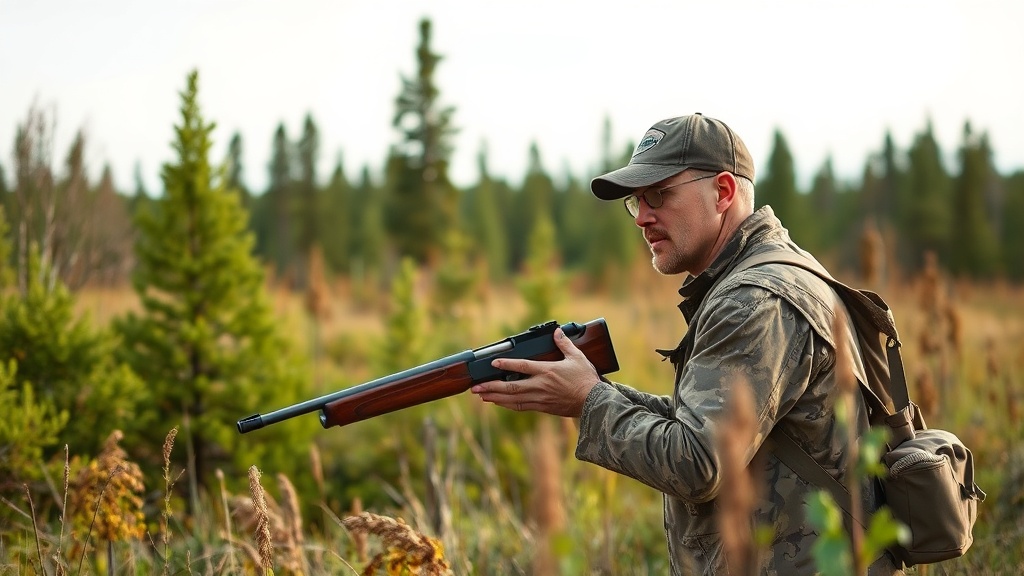 MNDNR offers several course formats. The traditional classroom course is taught by certified volunteer instructors and typically runs over two or more sessions. The curriculum covers firearms safety, wildlife management, survival skills, hunting ethics, and relevant state laws. These courses are held at community centers, sportsmen’s clubs, and other venues throughout the state.
An online course option is available through MNDNR-approved providers. The online coursework can be completed at your own pace, but Minnesota requires an in-person field day to finalize your certification. The field day includes live-fire exercises, safe handling demonstrations, and a skills evaluation.
Minnesota also offers a Firearms Safety Express format that combines abbreviated online instruction with a one-day in-person session, providing a middle ground between the full classroom course and the standard online-plus-field-day option.
The minimum age to obtain hunter education certification in Minnesota is 11 years old. Youth ages 10 and under may participate in a supervised hunting experience under the Youth Deer Hunt program or other youth-specific seasons with a licensed adult. Minnesota accepts hunter education certificates from all US states and Canadian provinces with approved programs.
Types of Hunting Licenses
Minnesota’s license structure requires a base hunting license with species-specific tags and endorsements purchased separately depending on what you plan to hunt.
| License Type | Who Qualifies | Key Notes |
|---|---|---|
| Resident Firearms Deer License | MN residents 16 and older | Most popular license; valid for firearms deer season |
| Resident Archery Deer License | MN residents 16 and older | Separate license for archery deer season |
| Resident Muzzleloader Deer License | MN residents 16 and older | Separate license for muzzleloader deer season |
| Non-Resident Deer License | Out-of-state hunters | Available for firearms, archery, and muzzleloader seasons |
| Small Game License | Residents and non-residents | Covers pheasant, grouse, squirrel, rabbit, and other small game |
| Youth Deer License | Residents under 16 | Reduced cost; includes special youth-only season opportunities |
| Senior Hunting License | Residents 65 and older | Discounted combination license |
| Military/Veteran License | Active-duty and qualifying veterans | Free or discounted depending on eligibility and residency |
| Lifetime Hunting License | Minnesota residents | One-time purchase; available at age-tiered pricing |
| Sports License (Combo) | Residents wanting bundled coverage | Combines hunting and fishing licenses at a discounted rate |
A resident firearms deer license costs $34.00, and the archery deer license is the same at $34.00. Non-residents pay $162.00 for a deer license. Resident small game licenses cost $16.00, while youth deer licenses are just $5.50. Minnesota sells deer licenses by weapon type rather than as a single general hunting license, so make sure you purchase the correct license for the season you plan to hunt.
Tags, Stamps, and Permits
Minnesota’s permit and stamp system adds important layers to the base license depending on the species and area you intend to hunt.
 Bonus antlerless deer permits are available in many deer permit areas where MNDNR is managing higher deer populations. These permits allow hunters to harvest additional antlerless deer beyond their regular tag. Bonus permits are typically available on a first-come, first-served basis after an initial application period and are specific to a designated permit area.
Turkey licenses are distributed through a lottery drawing for both spring and fall seasons. Hunters must apply during the designated application period and are selected through a random draw. Minnesota divides the spring turkey season into multiple time periods, and applicants rank their preferences. Leftover permits may be sold over the counter after the drawing.
Moose licenses are among the most coveted in Minnesota and are awarded through an extremely limited lottery. Only a small number of permits are issued each year, and demand far exceeds supply. A preference point system is not used for moose; the drawing is purely random, although once-in-a-lifetime restrictions apply.
Elk licenses are also distributed through a very limited lottery for the northwestern part of the state. Like moose, these permits are rare and highly competitive.
Bear licenses require a lottery application. Minnesota divides the state into bear management zones and allocates permits by zone. Preference points are accumulated for unsuccessful bear applicants, improving chances in subsequent years.
A Federal Migratory Bird Stamp (Duck Stamp) is required for all waterfowl hunters 16 and older. Minnesota also requires registration with the Harvest Information Program (HIP) before hunting any migratory birds. A State Waterfowl Stamp is included in the price of the small game license for residents.
Pheasant Stamp revenue supports habitat programs and is required for pheasant hunting. It is included in some combo licenses but must be purchased separately with a basic small game license.
How to Buy Your License
Minnesota hunting licenses are purchased through the Electronic Licensing System (ELS), accessible online at the MNDNR website. The ELS allows you to create a customer account, buy licenses and permits, apply for lottery drawings, and access your license digitally. You will need your Social Security number, a valid form of identification, and a Minnesota driver’s license or state ID for resident purchases.
Licenses are also available in person at authorized ELS agents across the state. Many sporting goods stores, convenience stores, bait shops, and county offices serve as license agents and can process transactions through the ELS system on your behalf.
MNDNR regional offices also sell licenses directly and can assist with questions about license types, lottery applications, and regulations.
Minnesota offers an electronic license option that allows you to display your license on a smartphone in the field. The ELS system stores your license information and makes it accessible through the MNDNR website or mobile app. While electronic display is legal, carrying a printed copy is recommended for areas with unreliable cell service, particularly in the northern part of the state.
Application Deadlines and Important Dates
Minnesota’s license year runs from March 1 through the following February. Deer, turkey, and other licenses go on sale before the relevant season, but specific availability dates vary by license type.
Turkey lottery applications must be submitted during a spring application period that typically opens in January or February. Results are published before the first spring season period opens in April. Fall turkey applications follow a separate timeline.
Bear lottery applications open in the spring, usually around May, with drawing results published in the summer. The bear season runs in the fall, and hunters who accumulate preference points from unsuccessful applications have improved odds in future years.
Moose and elk lottery applications have specific windows that are announced annually by MNDNR. These lotteries draw significant attention, and the application periods are well publicized. Check the MNDNR website in the spring for updated timelines.
Bonus antlerless deer permits become available in the late summer to early fall. The initial application period often fills quickly in popular permit areas, but additional permits may be released later on a first-come, first-served basis.
Firearms deer season in Minnesota traditionally opens in early November. Archery season opens much earlier, typically in mid-September, so archery hunters need to have their license secured well ahead of that date.
Reciprocity and Out-of-State Hunters
Non-resident hunters can purchase Minnesota licenses through the same ELS online portal used by residents. Non-resident fees are higher, and not all license types available to residents are offered to non-residents.
 Minnesota accepts hunter education certifications from all US states and Canadian provinces with approved programs. Non-residents should have their hunter education certificate or card number ready when setting up an ELS account.
Non-residents can apply for most lottery drawings, including turkey and bear, though permit allocations may differ between residents and non-residents. Non-resident moose and elk lottery permits are extremely limited and may not be available every year. Check the specific drawing rules before applying.
Non-resident small game licenses are available over the counter. Minnesota’s pheasant hunting in the southwestern part of the state draws significant non-resident interest, and no lottery is required for pheasant hunting.
Hunters from neighboring states such as Wisconsin, Iowa, North Dakota, and South Dakota will find the online purchasing process straightforward. The ELS system handles out-of-state transactions without requiring an in-person visit.
Special Considerations
Disabled hunter permits are available for individuals with qualifying physical disabilities. Minnesota offers permits that may allow crossbow use during archery-only seasons, shooting from a stationary vehicle, or access to designated accessible hunting blinds on Wildlife Management Areas. Applications require a physician’s certification.
Minnesota’s Mentored Youth and Adult Programs provide pathways for unlicensed individuals to try hunting before committing to the full hunter education course. Under the mentored hunting program, a participant hunts under the direct supervision of a licensed adult mentor who maintains close contact at all times. This program is available for both youth and adults and covers deer, turkey, bear, waterfowl, and small game depending on the season.
Walk-In Access (WIA) parcels provide additional hunting opportunities on private land enrolled in MNDNR habitat programs. Access to WIA land does not require an additional permit beyond your standard hunting license, but boundaries and rules must be followed.
Minnesota’s Managed Shooting Preserve licenses allow hunting on licensed commercial preserves outside of the regular season. These preserves offer opportunities for released game birds and have their own license requirements separate from the regular system.
The Sports License combo is the best value for Minnesota residents who both hunt and fish regularly. It bundles the core licenses and stamps into a single discounted purchase.
Minnesota requires electronic registration of deer harvests through the MNDNR system. Paper registration stations have been replaced in most areas, so hunters should be familiar with the online or phone-based reporting process before their hunt.
Planning Your Hunt
Once your Minnesota license and permits are secured, review the seasons, regulations, and land access options before heading out.
- Minnesota hunting seasons — Season dates for deer, turkey, bear, waterfowl, pheasant, grouse, and more.
- Minnesota hunting regulations — Bag limits, permit area boundaries, legal methods, and harvest reporting.
- Minnesota land access — Public hunting land including WMAs, state forests, and Walk-In Access parcels.
- Hunting guides — General guides covering scouting, field care, gear, and trip planning.
Minnesota’s long traditions of deer hunting, waterfowling, and upland bird hunting make it a destination for hunters across the country. With your license in hand and a clear understanding of the lottery and permit systems, you are prepared for a successful season in the North Star State.
Last verified: February 13, 2026 — Official sourceExplore Related Topics:
Notice an update we should make?
We strive for accuracy. Contact us here if you see incorrect or outdated info on this page.