Kansas offers some of the best hunting in the Great Plains. From pheasant-rich grasslands in the western part of the state to trophy whitetail habitat in the eastern river valleys, the Sunflower State draws hunters from across the country. The Kansas Department of Wildlife and Parks (KDWP) manages all hunting licenses, permits, and regulations1.
Understanding how the Kansas licensing system works will save you time and prevent headaches in the field. Whether you are a resident planning your first hunt or a non-resident chasing a monster Kansas buck, this guide walks you through every step of the process. Kansas uses a combination of over-the-counter licenses and limited-draw permits depending on the species, so knowing which you need is critical before the season starts.
The state has invested heavily in public access programs and wildlife management, making it one of the most hunter-friendly states in the country. Getting licensed is straightforward once you know the requirements.
| License/Permit | Residency | Fee | Includes |
|---|---|---|---|
| Resident Hunting License | Resident | $27.50 | hunting |
| Non-Resident Hunting License | Nonresident | $97.50 | hunting |
| Resident Deer Permit | Resident | $42.50 | deer hunting |
| Non-Resident Deer Permit | Nonresident | $442.50 | deer hunting |
| Resident Turkey Permit | Resident | $27.50 | turkey hunting |
| Non-Resident Spring Turkey Permit | Nonresident | $67.50 | turkey hunting |
| Youth Hunting License | Resident | $7.50 | hunting |
| Non-Resident Youth Hunting License | Nonresident | $42.50 | hunting |
| Resident Pronghorn Permit | Resident | $42.50 | pronghorn hunting |
| Non-Resident Pronghorn Permit | Nonresident | $242.50 | pronghorn hunting |
| Kansas Waterfowl Stamp | All | $8.50 | waterfowl hunting |
| Federal Duck Stamp | All | $25.00 | waterfowl hunting |
Hunter Education Requirements
Kansas requires hunter education for anyone born on or after July 1, 1957. If you were born before that date, you are exempt from the requirement. All other first-time hunters must complete an approved hunter education course before purchasing a license.
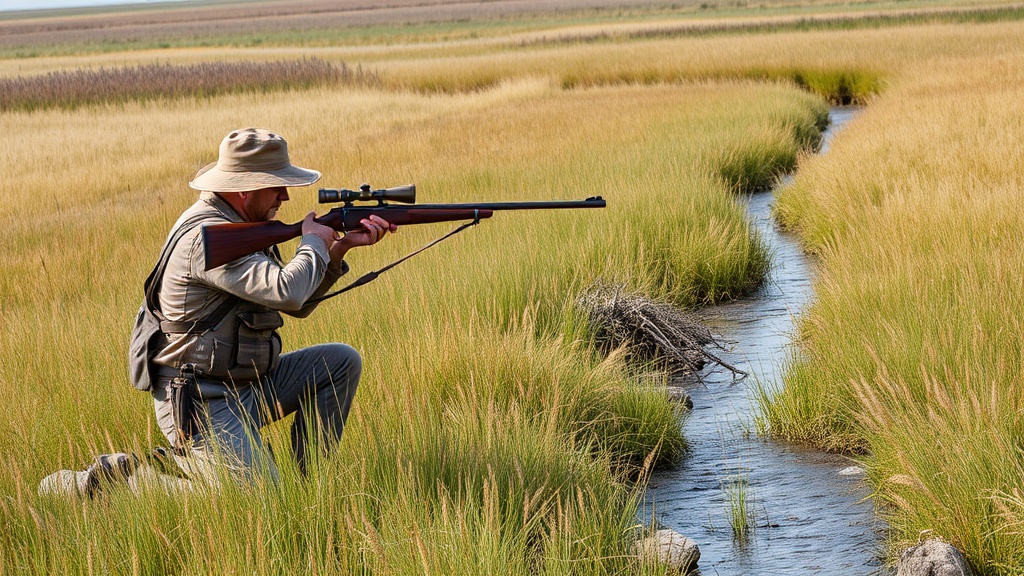 Kansas offers several ways to complete hunter education. You can take a traditional in-person classroom course taught by certified volunteer instructors across the state. There is also an online course option through KDWP-approved providers, though most online courses require a follow-up field day with hands-on instruction. A home-study option is available as well, which involves completing a workbook before attending a scheduled field day.
The minimum age to take hunter education in Kansas is 11 years old. Youth under 16 may hunt without completing hunter education as long as they are accompanied by a licensed adult 18 or older who stays within arm’s reach at all times. This is sometimes called the apprentice hunting provision, and it allows young hunters to gain experience in the field before completing formal training.
Kansas honors hunter education certificates from all other states and Canadian provinces. If you completed an approved course in another state, your certificate is valid in Kansas. Keep your original certificate number handy when purchasing a license, as you will need it during checkout.
Types of Hunting Licenses
Kansas offers different licenses based on residency, age, and the species you plan to hunt. To qualify as a resident, you must have lived in Kansas for at least 60 days before purchasing a license.
| License Type | Who Qualifies | Key Notes |
|---|---|---|
| Resident Hunting License | Kansas residents 16 and older | Required for all hunting; covers small game and upland birds |
| Nonresident Hunting License | Out-of-state hunters 16 and older | Required base license for nonresidents |
| Youth Hunting License | Residents and nonresidents under 16 | Available at reduced cost |
| Combination Hunting/Fishing | Residents 16 and older | Includes both hunting and fishing privileges |
| Lifetime Hunting License | Kansas residents | One-time purchase covering hunting for life |
| Senior License | Residents 65 and older | Available at reduced cost |
| Disabled Veteran License | Qualifying Kansas veterans | Available at reduced cost with proof of disability |
| Controlled Shooting Area License | All hunters | Required for hunting on licensed commercial shooting areas |
A resident hunting license costs $27.50, while nonresidents pay $97.50. Resident deer permits are $42.50, but nonresident deer permits cost $442.50, making Kansas one of the more expensive states for out-of-state deer hunters. Turkey permits are more affordable at $27.50 for residents.
Tags, Stamps, and Permits
Beyond the base hunting license, Kansas requires additional tags and permits for specific species. These are purchased separately.
 Deer tags are available over the counter for residents. Kansas residents can purchase whitetail deer permits for archery, firearms, and muzzleloader seasons. Nonresident deer permits are limited-draw only, meaning you must apply during the designated application period and be selected through a random draw.
Turkey permits are available over the counter for both residents and nonresidents during the spring and fall seasons. Kansas is known for its excellent wild turkey populations, particularly Rio Grande turkeys in the western half and Eastern turkeys in the east.
Elk and antelope permits are limited-draw only for all hunters. These are highly sought-after tags with low draw odds. Kansas has a small but growing elk herd and pronghorn antelope in the western counties. Apply early and be prepared for a multi-year wait.
Migratory bird hunting requires the federal Harvest Information Program (HIP) registration and a Federal Duck Stamp if you are hunting waterfowl. Kansas also requires a state waterfowl stamp. Dove, snipe, and woodcock require HIP registration but no state stamp beyond your base license.
Upland birds such as pheasant, quail, and prairie chicken are covered by your general hunting license, though specific seasons and bag limits apply. Check current regulations for prairie chicken, as permits may be limited in certain units.
How to Buy Your License
Kansas offers several convenient ways to purchase hunting licenses and permits.
Online: The primary method is through the KDWP iSportsman online portal. Visit the KDWP website and navigate to licensing. You can create an account, purchase licenses and permits, and print temporary copies from home. The system is available 24 hours a day.
In person: Licenses are sold at KDWP offices, county clerks, and many authorized retail agents including sporting goods stores, hardware stores, and some convenience stores across Kansas.
By phone: You can call the KDWP licensing office to purchase over the phone with a credit card.
Mobile: After purchasing online, you can access your license through the iSportsman app on your smartphone. This provides a convenient digital copy you can carry in the field.
To purchase, you will need a valid government-issued photo ID, your Social Security number (required by Kansas law), your hunter education certificate number, and a method of payment. Nonresidents should have their out-of-state hunter education certification information ready.
Application Deadlines and Important Dates
Kansas operates on different timelines depending on the species and permit type.
Deer draw (nonresident): The nonresident deer application period typically opens in April and closes in late May. Results are announced in June. This is a limited-draw system, so applying on time is critical. Leftover permits, if any, go on sale after the draw.
Elk and antelope draw: Applications open in the spring with results announced in summer. Check KDWP for exact dates each year, as they can shift slightly.
Spring turkey: Permits go on sale well before the April opener. Nonresidents should purchase early, as some units can sell out.
General seasons: Upland bird, small game, and resident deer permits are available over the counter starting in the summer before the fall seasons. There is no deadline, but buying early ensures you are ready.
Preference and bonus points: Kansas does not currently use a preference point system for deer draws. The nonresident draw is a straight random lottery. For elk and antelope, check with KDWP for the latest draw structure, as policies can change year to year.
Reciprocity and Out-of-State Hunters
Kansas welcomes nonresident hunters, but the licensing structure differs significantly from what residents pay. Nonresidents must purchase a nonresident hunting license as their base permit before adding any species-specific tags.
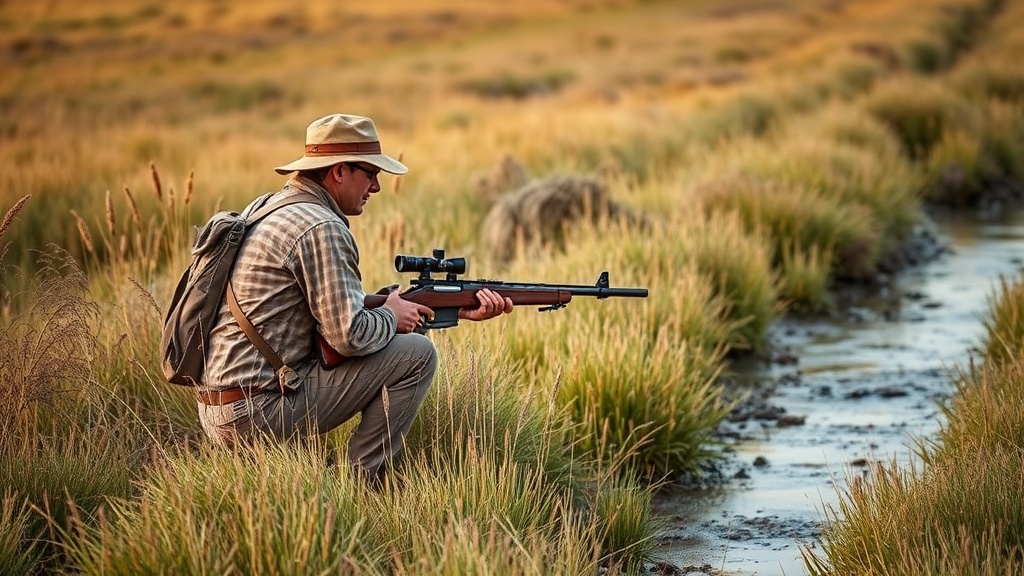 Nonresident deer hunting in Kansas requires going through the limited-draw application. This is one of the most competitive deer draws in the Midwest due to the state’s reputation for producing trophy-class whitetails. If you are drawn, you will receive your permit and can then plan your hunt.
Kansas accepts hunter education certificates from all 50 states and Canadian provinces. As long as you completed an approved course in your home state, Kansas will honor it. Bring your certificate number or a copy of your card when purchasing your license.
Nonresidents hunting upland birds, waterfowl, or small game can purchase the appropriate licenses over the counter without a draw. Kansas is a major destination for pheasant hunters, particularly in the western and central parts of the state.
If you are a nonresident landowner in Kansas, you may qualify for special landowner deer permits. Check with KDWP for specific eligibility rules, as the requirements include owning a minimum amount of agricultural land.
Special Considerations
Landowner and tenant permits: Kansas residents who own or operate agricultural land of at least 80 acres may qualify for transferable landowner deer permits. These permits can sometimes be transferred to designated hunters. Tenant farmers who lease land may also qualify. Check KDWP for detailed eligibility requirements and application procedures.
Walk-In Hunting Access (WIHA): Kansas runs one of the best public access programs in the country through WIHA. Private landowners enroll their property in the program, and licensed hunters can walk in and hunt without needing to ask permission. WIHA areas are marked with signs and mapped in the annual WIHA atlas published by KDWP. This program opens thousands of acres of private land, particularly in the western half of the state where pheasant and quail habitat is abundant.
Disabled hunter permits: Kansas provides accommodations for hunters with permanent physical disabilities. This can include permission to hunt from a vehicle, use of crossbows during archery season, and other modifications. A physician’s verification is required. Contact KDWP to apply.
Youth and apprentice hunting: Hunters under 16 can hunt under direct adult supervision without completing hunter education. Kansas also offers special youth seasons for deer and turkey with earlier dates than the regular seasons. These youth-only weekends give young hunters a less crowded experience.
Military and veteran benefits: Active duty military stationed in Kansas may qualify for resident license rates. Disabled veterans may be eligible for reduced-cost licenses. Documentation of military service or disability rating is required.
Planning Your Hunt
Once your license and tags are secured, take time to study the seasons, regulations, and land access options before heading to the field.
- Kansas hunting seasons: Review season dates for all species at Kansas Hunting Season Dates
- Kansas hunting regulations: Understand bag limits, legal methods, and zone rules at Kansas Hunting Regulations
- Kansas land access: Find public land, WIHA areas, and other access options at Kansas Land Access
- General hunting guides: Browse more how-to articles and planning resources at Hunting Guides
Kansas is a state that rewards preparation. Study the WIHA atlas, scout your areas, and make sure every tag and stamp is in order before opening day.
Last verified: February 13, 2026 — Official sourceExplore Related Topics:
Notice an update we should make?
We strive for accuracy. Contact us here if you see incorrect or outdated info on this page.