California offers some of the most diverse hunting opportunities in the country. The state spans coastal ranges, Central Valley farmland, Sierra Nevada mountains, northern forests, and desert regions, each supporting different game species and hunting experiences. From blacktail deer in the north to desert mule deer in the south, plus wild pig, bear, elk, upland birds, waterfowl, and small game, California has something for nearly every hunter. The California Department of Fish and Wildlife (CDFW) manages all hunting licenses, permits, tags, and wildlife regulations1.
California’s hunting regulations are among the most detailed in the nation, reflecting the state’s complex geography and diverse wildlife populations. Understanding the licensing system before you buy is important because California requires zone-specific deer tags, species-specific permits, and several stamps depending on what and where you hunt. The process takes more planning than in many other states, but the payoff is access to millions of acres of public land and unique hunting experiences.
CDFW funds its wildlife management programs largely through license and tag sales. Every license purchased supports habitat conservation, species management, and public access across California’s vast landscape.
| License/Permit | Residency | Fee | Includes |
|---|---|---|---|
| Resident Hunting License | Resident | $55.63 | hunting |
| Non-Resident Hunting License | Nonresident | $194.08 | hunting |
| Junior Hunting License | All | $8.62 | hunting |
| Resident Deer Tag (General) | Resident | $33.41 | deer tag |
| Non-Resident Deer Tag (General) | Nonresident | $288.73 | deer tag |
| Resident Premium Deer Tag (X Zone) | Resident | $38.73 | deer tag |
| Resident Bear Tag | Resident | $53.94 | bear tag |
| Non-Resident Bear Tag | Nonresident | $344.83 | bear tag |
| Wild Pig Tag | All | $25.10 | wild pig tag |
| Resident Elk Tag | Resident | $37.95 | elk tag |
| Non-Resident Elk Tag | Nonresident | $451.81 | elk tag |
| Resident Pronghorn Tag | Resident | $33.41 | pronghorn tag |
| Non-Resident Pronghorn Tag | Nonresident | $288.73 | pronghorn tag |
| Turkey Tag | All | $24.57 | turkey tag |
| Upland Game Bird Validation | All | $10.52 | upland bird hunting |
| California State Duck Validation | All | $19.89 | waterfowl hunting |
| Federal Duck Stamp | All | $25.00 | waterfowl hunting |
| Big Game Draw Application Fee | All | $8.27 | draw application |
Hunter Education Requirements
California requires hunter education for ALL first-time hunters regardless of age. There is no birth-year exemption. If you have never held a hunting license in California or any other state, you must complete an approved hunter education course before purchasing your first license.
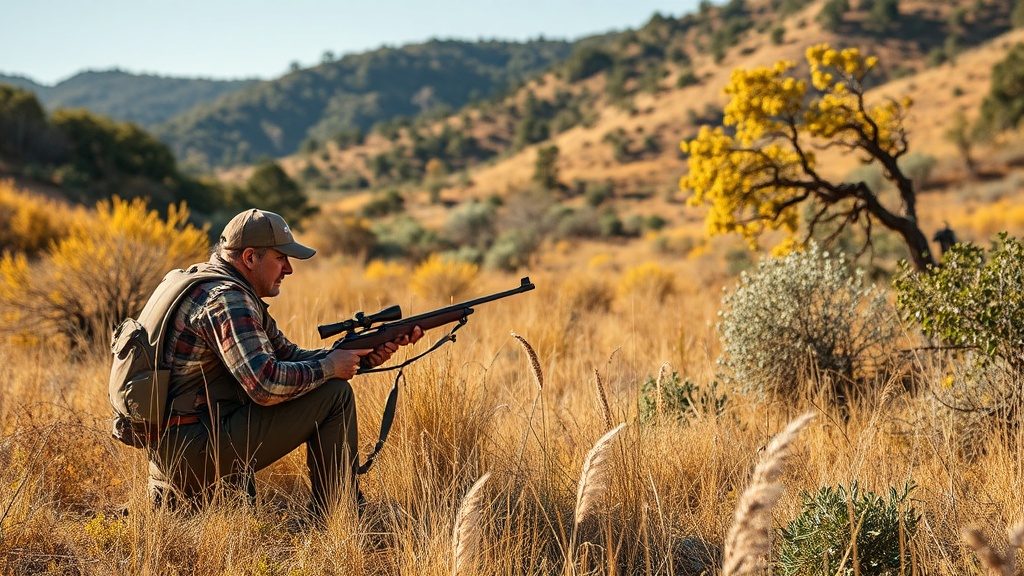 CDFW offers several course formats. A traditional in-person classroom course is available through certified instructors across the state. An online course through CDFW-approved providers allows you to complete the study portion at home, but it must be followed by a mandatory in-person field day where you demonstrate safe firearm handling and other practical skills. This hybrid online-plus-field-day format is the most popular option.
The minimum age for hunter education in California is typically 10 years old, though younger students may attend some classes with a parent. There is no minimum age for purchasing a junior hunting license in California, but all first-time buyers must show proof of hunter education completion.
California recognizes hunter education certificates from all other states and Canadian provinces. If you completed an approved course in another state, California will honor it. Bring your certificate number or card when purchasing your license. International hunters may need to provide proof of equivalent training or licensing from their home country.
Types of Hunting Licenses
California offers licenses based on residency, age, and hunting method. To qualify as a resident, you must have been continuously domiciled in California for at least six months immediately before applying.
| License Type | Who Qualifies | Key Notes |
|---|---|---|
| Resident Hunting License | California residents 18 and older | Base license for all hunting |
| Nonresident Hunting License | Out-of-state hunters 18 and older | Required base license for nonresidents |
| Junior Hunting License | Residents and nonresidents under 18 | Available at reduced cost |
| Resident Lifetime Hunting License | California residents | One-time purchase available at different price tiers based on age |
| Disabled Veteran Hunting License | Qualifying California veterans | Reduced cost with documentation |
| Native American Hunting License | Qualifying tribal members | Special provisions for certain areas |
| Apprentice Hunting License | First-time hunters under supervision | Allows hunting without full hunter education in limited circumstances |
| One-Day Nonresident License | Nonresidents | Short-term option for specific hunts |
A resident hunting license costs $55.63, while non-residents pay $194.08. Junior hunters under 18 can get a license for $8.62 regardless of residency. Deer hunters will need a general zone tag in addition to the base license, which costs $33.41 for residents or $288.73 for non-residents.
Tags, Stamps, and Permits
California has one of the most layered tag and permit systems in the country. Beyond the base hunting license, you need species-specific and zone-specific permits for most game.
 Deer tags are zone-specific in California. The state is divided into numerous deer hunting zones, each with its own season dates, tag quotas, and regulations. Some zones offer general (over-the-counter) tags, while premium zones require a draw application. You must select your zone before purchasing or applying for a tag. Both archery-only and general season tags are available depending on the zone.
Wild pig tags are required per animal and must be purchased before the hunt. California has a year-round wild pig season on private land with no bag limit, making it one of the most accessible hunts in the state.
Bear tags are required for hunting black bear during the designated season. Bear tags are available over the counter until a zone-specific harvest quota is met, at which point the zone closes. Monitor CDFW bear harvest updates during the season.
Elk tags are extremely limited and only available through a controlled draw. California’s tule elk and Roosevelt elk hunts are among the most exclusive permits in the state. Draw odds are very low.
Pronghorn antelope and bighorn sheep tags are also limited-draw only, with very few tags issued each year. Bighorn sheep is one of the rarest and most prestigious tags in North America.
Upland game bird stamp is required for hunting pheasant, quail, and other upland birds. This stamp is purchased in addition to your base license.
Federal Duck Stamp and HIP: Waterfowl hunters need the federal Migratory Bird Hunting Stamp and HIP registration. California also requires a state duck validation.
Harvest reporting: California requires mandatory harvest reporting for deer, bear, and other species. Reports must be filed even if you did not harvest an animal.
How to Buy Your License
California offers several methods for purchasing hunting licenses, tags, and permits.
Online: The CDFW Online License Sales portal is the most convenient option. Visit the CDFW website, create or log into your account, and purchase licenses, tags, stamps, and draw applications. You can print a temporary license immediately or access it digitally.
In person: Licenses are available at CDFW regional offices and more than a thousand authorized license agents across the state. Many sporting goods stores, bait shops, and general retailers sell licenses.
By phone: CDFW accepts license sales by phone through its automated system.
Mobile: After purchasing online, your license can be displayed on a smartphone. CDFW supports digital license display, though carrying a printed copy is advisable as cell service is unreliable in many California hunting areas.
You will need a valid government-issued photo ID, your Social Security number, your hunter education certificate number, and payment. Nonresidents need their home-state hunter education certification information. First-time buyers in particular should have their hunter education completion documentation ready.
Application Deadlines and Important Dates
California’s draw system affects several key species. Knowing the application timeline is essential for planning your season.
Deer tag applications: The big game drawing application period typically opens in April and closes in June. This is how you apply for premium deer zone tags. Results are announced in mid-summer. General zone tags that do not require a draw go on sale at a separate time. First-come deer tags for certain zones are also available on specific sale dates and can sell out quickly.
Elk, pronghorn, and bighorn sheep draws: These premium species share the same application period as the deer draw. Apply during the spring window. Draw odds are published by CDFW and can be extremely low, especially for bighorn sheep.
Preference points: California uses a preference point system for deer, elk, pronghorn, and bighorn sheep draws. If you apply and are not drawn, you accumulate a preference point for that species. Hunters with the most points are drawn first in subsequent years. You can also purchase a preference point without applying for a tag to build points over time.
Bear tags: Over-the-counter bear tags go on sale before the bear season opener. No draw is required, but zone quotas can cause early closures.
Pig tags: Available year-round with no application period. Purchase whenever you plan to hunt.
Upland and waterfowl: Stamps and registrations should be completed before the respective season openers. No draws are required.
General hunting licenses: Available year-round from CDFW with no deadline.
Reciprocity and Out-of-State Hunters
California welcomes nonresident hunters but requires them to meet the same hunter education standard as residents. All first-time hunters must show proof of completing an approved hunter education course. California accepts certificates from all 50 states and Canadian provinces.
 Nonresidents must purchase a nonresident hunting license, which is priced higher than the resident version. From there, nonresidents can purchase deer tags, apply for big game draws, buy pig and bear tags, and purchase all required stamps.
Nonresidents are eligible for both general deer zone tags and premium zone draw applications. The same preference point system applies to nonresidents as to residents. Nonresident tag quotas for premium deer zones may differ from resident quotas, so check CDFW draw statistics before applying.
California’s wild pig hunting is particularly popular with nonresidents because tags are available over the counter, the season runs year-round on private land, and there is no bag limit. Many outfitters and ranches across the state offer guided pig hunts for visiting hunters.
For waterfowl, California is a major Pacific Flyway destination, particularly in the Sacramento Valley and Central Valley. Nonresidents can access public wildlife areas and refuges with the proper licenses and stamps.
Special Considerations
Zone-specific deer management: California’s deer tag system is more complex than most states. Each zone has different season dates, tag quotas, and weapon restrictions. Some zones are archery-only, while others allow rifles. Study the CDFW deer hunting zone map carefully before selecting your tag. Choosing the wrong zone means you cannot hunt the area you scouted.
Preference point strategy: Because California uses preference points for deer, elk, pronghorn, and bighorn sheep, long-term planning matters. Many hunters invest years of points before applying for the most competitive zones. CDFW publishes draw odds statistics that show how many points were typically needed for each zone in previous years. Use this data to make informed application decisions.
Wild pig year-round hunting: California is one of few states offering year-round wild pig hunting. On private land, there is no closed season and no bag limit. On public land, check for any area-specific closures. This makes pig hunting an excellent option for hunters who want to stay active between deer and bird seasons.
Disabled hunter permits: CDFW provides special accommodations for hunters with permanent disabilities. This includes the Disabled Archer Permit, which allows crossbow use during archery-only seasons, and the Mobility Impaired Hunter Permit, which provides vehicle access to normally restricted areas. A physician’s certification is required.
Junior hunters: California offers reduced-cost junior hunting licenses and has special youth-only hunts and mentored hunting programs. The Apprentice Hunter Program allows first-time hunters to hunt under direct supervision while working toward completing their hunter education requirement.
Landowner tags: Landowners in California may have access to landowner preference tags in certain deer zones. The Private Lands Management (PLM) program provides tags to enrolled properties. These tags are managed through agreements between landowners and CDFW and help fund wildlife management on private lands.
Mandatory harvest reporting: California requires that all deer and bear hunters submit a harvest report at the end of the season, even if no animal was harvested. Failure to report can result in the inability to purchase tags the following year. Complete your report through the CDFW online system or by mail.
Planning Your Hunt
With your licenses, tags, and stamps secured, prepare for your California hunt by studying seasons, regulations, and access options.
- California hunting seasons: Review season dates for deer, bear, pig, upland birds, and more at California Hunting Season Dates
- California hunting regulations: Understand zone rules, bag limits, legal methods, and ammunition requirements at California Hunting Regulations
- California land access: Find national forests, BLM land, wildlife areas, and public access programs at California Land Access
- General hunting guides: Browse more how-to articles and planning resources at Hunting Guides
California demands more planning than most states, but its diversity of species, terrain, and public land access is unmatched. Take the time to understand the zone system, build your preference points strategically, and explore the vast public lands the state has to offer.
Last verified: February 13, 2026 — Official sourceExplore Related Topics:
Notice an update we should make?
We strive for accuracy. Contact us here if you see incorrect or outdated info on this page.