Sometimes, bad weather can offer unique advantages. Animals often move more during certain adverse conditions, especially right before or after a storm. Rain can muffle sound, making it easier to stalk. Fresh snow reveals tracks clearly. However, these advantages come with greater risks. Knowing when to hunt and when to stay home is key.
Essential Gear for Bad Weather Hunting
Your gear is your first line of defense against the elements. Being cold and wet quickly saps your focus and energy.
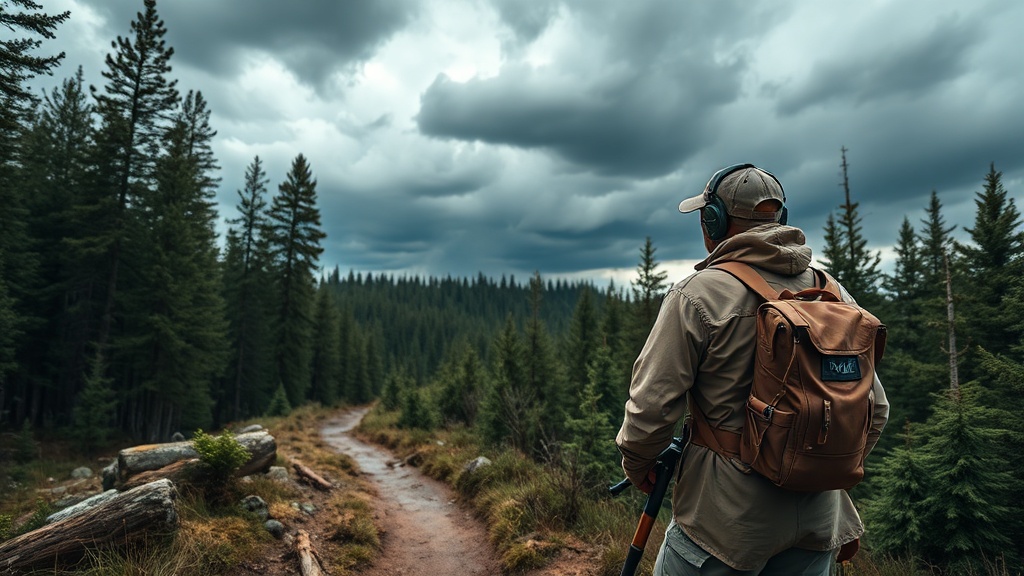
Layering Clothing System
Avoid cotton. It absorbs moisture and loses its insulating properties when wet. Opt for synthetic materials or wool.
- Base Layer: Wicks moisture away from your skin.
- Mid-Layer: Provides insulation. Fleece or down are good choices.
- Outer Layer: Should be waterproof and windproof. Dress in layers that retain warmth even when wet. 1
Footwear
Waterproof boots are critical. Your feet must stay dry and warm. Consider insulated boots for cold, wet conditions. Carry extra socks, preferably wool or synthetic.
Headwear and Handwear
A waterproof hat or brimmed cap keeps rain off your face and helps retain heat. Waterproof gloves are also important to maintain dexterity and prevent frostbite in extreme cold.
Backpack and Protection
Use a waterproof pack cover or pack essentials in dry sacks. This protects your electronics, extra clothing, and first-aid kit.
Weapon Protection
Rain and snow can damage firearms and optics. Use a gun cover or case to keep your rifle or shotgun dry. Keep optics covered with lens caps when not in use.
Safety First: Staying Safe in Harsh Conditions
Safety is always the top priority. Bad weather increases risks like hypothermia, frostbite, navigational errors, and accidents.
Hypothermia and Frostbite
These are serious risks in cold, wet, or windy conditions.
- Hypothermia: Occurs when your body loses heat faster than it can produce it. Symptoms include shivering, confusion, and slurred speech. Untreated, it can become life-threatening. 2
- Frostbite: Freezing and tissue damage that affects fingers, toes, nose, and ears, with numbness and pale or waxy skin. 3
Prevent both by staying dry, wearing proper layers, keeping moving, and knowing when to call it a day. Pack emergency supplies like a thermal foil blanket or hand warmers.
Navigation
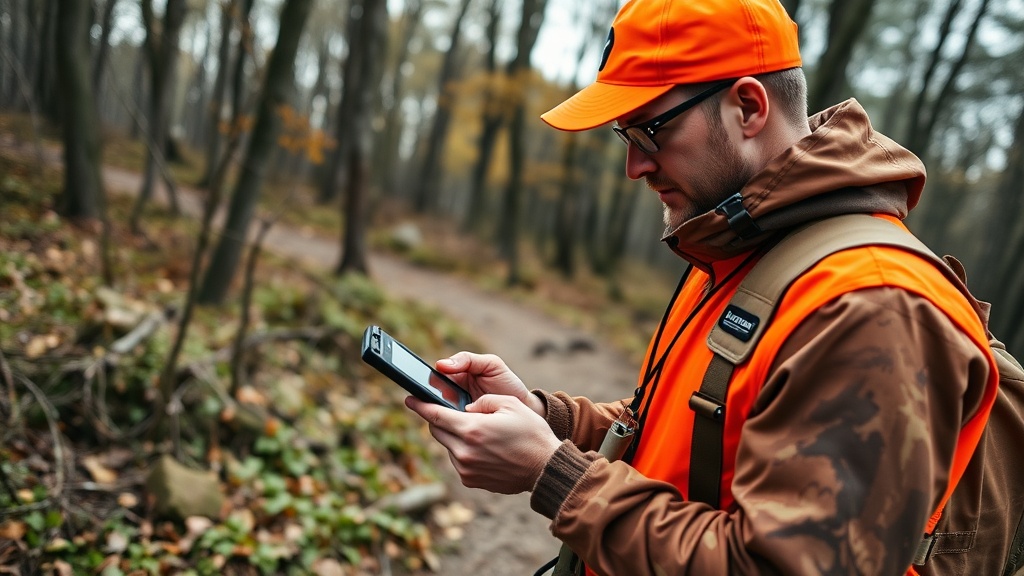
Visibility can drop quickly in fog, rain, or snow. Always carry a GPS device along with a compass and map. Know how to use them. Share your hunting plan and estimated return time with someone you trust.
Communication
Cell service can fail in remote areas. Carry a satellite messenger, two-way radio, or satellite device. Ensure batteries are fully charged before heading out.
First-Aid Kit
A comprehensive kit is essential. Include supplies for cuts, sprains, blisters, and personal medications. A tourniquet and knowledge of its use may save a life.
Hunting Strategies for Different Weather Types
Your tactics should adapt to the weather.
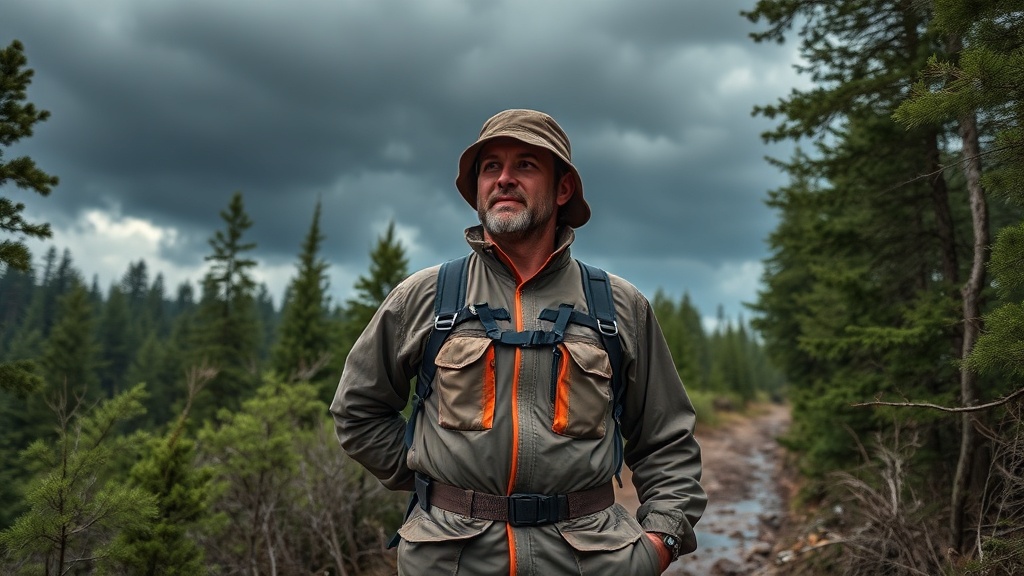
Rain and Sleet
Rain can work in your favor by muffling noise and washing away scent.
- Animal Movement: Game often bed down during heavy rain but become active right before or after a system passes.
- Stalking: Rain softens the ground for quieter movement.
- Visibility and Shooting: Optics may fog or get wet. Practice shooting in these conditions and keep your firearm protected.
Snow
Fresh snow offers excellent tracking.
- Tracking: Recent tracks are visible and reliable.
- Movement: Deep snow slows both you and game; animals may stick to trails.
- Visibility: Beware glare after a snowfall.
- Cold: Dress in extra layers for extended exposure.
Wind
Wind is often the harshest challenge.
- Scent Control: Always position yourself downwind or crosswind,never let wind carry your scent toward game.
- Sound: Winds can mask your noise but also drown out subtle animal sounds.
- Animal Behavior: Animals may bed in sheltered areas and be more cautious.
- Shooting: Wind affects bullet trajectory. Practice shooting in breezy conditions to understand drift.
Post-Hunt Care
Field dress your animal quickly to prevent spoilage from heat or moisture. Keep meat protected from rain or snow to preserve quality.
Hunting in bad weather demands preparation, adaptability, and clear judgment. Gear up right, keep safety first, and adjust your strategy to current conditions.
Next Step: Know your local rules. For example, all hunters on U.S. Fish and Wildlife Service lands must have the proper state license and obey refuge-specific regulations. 4
Explore Related Topics:
Notice an update we should make?
We strive for accuracy. Contact us here if you see incorrect or outdated info on this page.