Reliable gear prevents wasted time and failed hunts. A scope that fogs on opening morning, boots that leak on a cold sit, or a headlamp that dies at 5 a.m. can turn a promising hunt into a miserable one. Most gear failures are preventable with a few hours of maintenance spread across the year.
Use this checklist before, during, and after the season to keep everything working when it matters most.
Before the season
Pre-season is the time to catch problems while you still have weeks to fix them. Do not wait until the night before opener to discover that your scope lost zero or your boots are cracked.
Optics
Pull out your binoculars, riflescope, rangefinder, and any spotting scope you plan to carry. Inspect each piece for damage to the body, eyecups, and lens coatings.
- Clean lenses properly. Use a lens pen or microfiber cloth. Blow off loose grit first with a bulb blower or canned air. Never wipe a dry, dirty lens – you will scratch the coatings. For stubborn smudges, use a lens cleaning solution designed for optics.
- Check internal fog. Look through the optic at a bright background. If you see haze or moisture between the lenses, the nitrogen purge has failed. Most quality optics are covered under warranty for this. Send it in before the season, not during it.
- Test turrets and adjustments. On a riflescope, click through the elevation and windage turrets. They should feel crisp and return to zero. On a rangefinder, check that the display is clear and the unit ranges accurately at 200+ yards.
- Inspect mounting hardware. Check that scope rings and bases are tight. Use a torque wrench set to the manufacturer’s specs – typically 15-25 inch-pounds for ring screws and 20-35 for base screws1. A loose mount shifts point of impact and you may not notice until you miss.
Firearms
Whether you hunt with a bolt action, lever gun, or shotgun, the fundamentals are the same.
- Clean the bore. Run a bore brush and solvent through the barrel. Follow with clean patches until they come out white. Finish with a light coat of oil. Do not over-oil – excess oil in the chamber can affect ignition and the first shot may throw off.
- Inspect the action. Cycle the bolt or action several times. It should move smoothly without binding. Check the safety, trigger, and magazine release.
- Check the stock and hardware. Tighten action screws, sling swivel studs, and any Picatinny rail or accessory screws. On wood stocks, look for cracks around the wrist or where the stock meets the receiver.
- Verify your zero. Take the rifle to the range with the same ammunition you plan to hunt with. Shoot at least a three-round group at 100 yards. If you are off, adjust and confirm with another group. Factory ammo can vary between lots, so zero with the specific box you are carrying into the field.
Bows
Compound and traditional bows have their own maintenance needs.
- Inspect the string and cables. Look for fraying, serving separation, and peep rotation. If the string shows wear, replace it before the season. A string failure at full draw is dangerous.
- Check cam timing and limbs. On a compound bow, look for limb cracks, especially near the pockets. Spin the cams by hand and watch for any wobble or roughness in the bearings.
- Shoot and tune. Paper-tune or walk-back tune your bow at your target range. Verify broadhead flight matches field point flight out to your maximum ethical distance.
- Replace worn accessories. Check the rest, sight pins, and release aid. A fall-away rest that sticks or a frayed D-loop can cost you a shot.
Boots
Boots are one of the most critical pieces of gear and one of the most neglected.
- Inspect soles and uppers. Look for delamination at the sole, cracked rubber, and worn lugs. If the tread is smooth, you will slip on wet rock and steep trails.
- Clean and condition leather. Remove dirt with a stiff brush and warm water. Once dry, apply a conditioner or waterproofing treatment appropriate for the leather type. Follow the manufacturer’s instructions – some waterproofing products can damage certain membranes.
- Re-waterproof if needed. Even boots with Gore-Tex liners benefit from a DWR (durable water repellent) spray on the outer material. When the outer fabric wets out, it feels cold even if the liner still keeps water out.
- Check laces and hardware. Replace frayed laces and inspect eyelets and hooks for bends that could cut a lace mid-hunt.
For help picking the right pair, see our guide to the best hunting boots.
Headlamps and electronics
- Test every headlamp and flashlight. Run them for several minutes on each mode. Dim or flickering output usually means corroded contacts or failing batteries.
- Replace all batteries. Fresh lithium batteries handle cold weather better than alkaline. Carry spares in a waterproof bag.
- Check GPS units and phone apps. Update firmware and download offline maps for your hunting area. Do not rely on cell service in the backcountry.
During the season
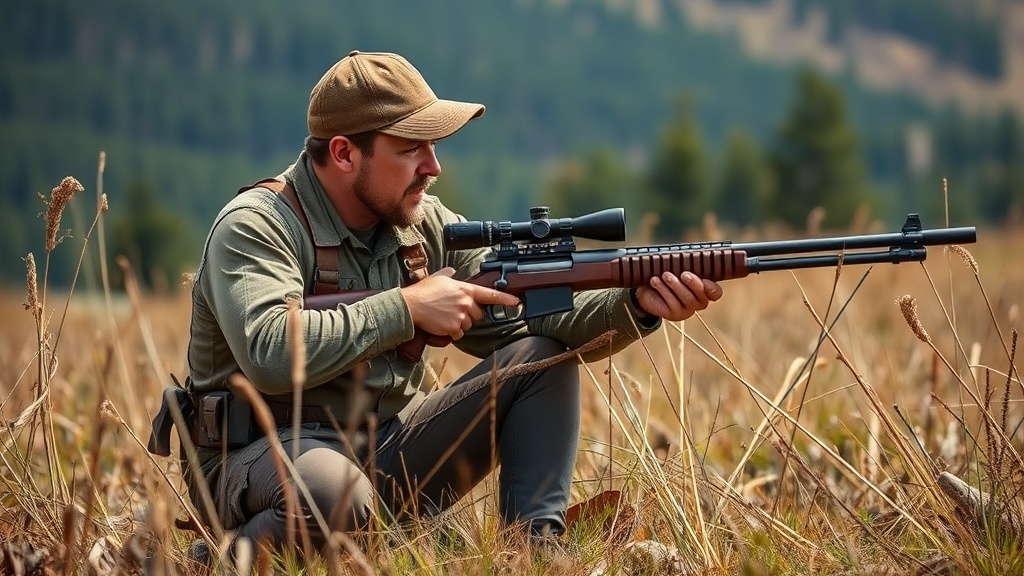
Gear takes a beating in the field. A few minutes of daily care prevents small problems from becoming hunt-ending failures.
Keep optics covered and clean
Use lens caps and keep your bino harness covered when walking through rain, snow, or dusty conditions. A quick wipe with a microfiber cloth at the end of each sit keeps glass clear. Store optics inside your jacket or vest pocket during cold-to-warm transitions to reduce fogging.
Dry gear after wet hunts
This is the single most important in-season habit. Wet boots, clothing, and packs lose insulation value and develop odor that game can detect.
- Boots: Remove insoles and loosen laces. Stuff with newspaper or use a boot dryer on low heat. Do not place boots next to a campfire or heater – high heat destroys adhesives and cracks leather.
- Clothing: Hang layers to air dry. If you are staying in camp, drape them over a line or chair. Store dry clothing in a scent-free bag or tote.
- Packs: Empty all pockets and hang the pack open to air out. Wipe down any blood, dirt, or food residue.
Tighten hardware and check fasteners
Recoil, vibration, and rough terrain loosen things over time. Check scope ring screws, sling attachments, bow sight pins, and treestand bolts regularly throughout the season. Carry a compact multi-tool or the appropriate hex keys in your pack.
Maintain your firearm in the field
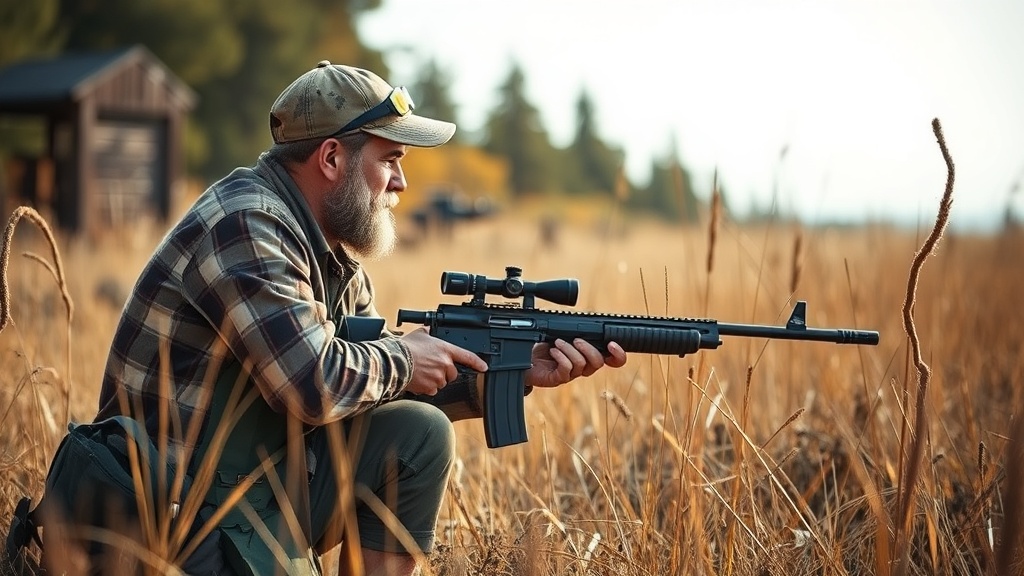
After each hunt, wipe down the exterior with a lightly oiled cloth to prevent surface rust, especially in rain or humid conditions. If the bore gets wet or dirty, run a dry patch through it at camp. A small field cleaning kit weighing a few ounces is worth carrying on multi-day trips.
After the season
Post-season maintenance is what separates gear that lasts two years from gear that lasts twenty. Spend a few hours cleaning and storing everything properly, and next year’s prep will be much simpler.
Firearms
- Deep clean the bore and action. Remove the bolt or break open the action. Run a bore brush with solvent multiple times, then follow with patches until clean. Use a nylon brush and solvent to clean the bolt face, extractor, and lug recesses.
- Apply a light coat of oil. Use a quality gun oil on all metal surfaces. Do not use WD-40 as a long-term protectant – it evaporates and leaves metal unprotected2. CLP, Rem Oil, or similar products are better choices.
- Store in a climate-controlled space. A gun safe with a dehumidifier rod or desiccant packets keeps humidity below 50%, which prevents rust. Avoid storing firearms in soft cases long-term, as the fabric can trap moisture against the metal.
Bows
- Back off the limb bolts a turn or two. This reduces stress on the limbs during storage. Some manufacturers recommend this; check your owner’s manual.
- Wax the string. Apply bowstring wax and work it in with your fingers. This keeps the string supple and protected from UV and moisture.
- Store in a hard case or hang on a bow rack. Keep it out of extreme heat (attics, vehicle trunks) and away from direct sunlight.
Packs and clothing
- Wash hunting clothing in scent-free detergent. Store in sealed plastic totes or scent-free bags. Adding a few cedar blocks or earth-scented wafers is optional but helps keep odor neutral.
- Clean and dry packs completely. Check all zippers and buckles. Lubricate sticky zippers with a beeswax-based zipper lubricant. Patch any tears with gear repair tape or send the pack in for warranty repair.
- Inspect and store knives. Clean blades, sharpen to a working edge, and apply a thin film of oil before storing. A dull knife at the start of next season means you will reach for it in the field and be disappointed.
Optics
- Clean all lenses one final time. Cap them and store optics in a padded case in a dry room. Avoid garages and sheds where temperature swings cause condensation.
- Remove batteries from rangefinders and electronic sights. Batteries left in devices for months can leak and corrode the terminals.
Treestands and blinds
- Inspect all straps, cables, and welds. The Treestand Manufacturer’s Association (TMA) recommends replacing any strap that shows fraying, UV degradation, or stiffness3. A strap failure at 20 feet is life-threatening.
- Clean and lubricate joints and hinges. Use a dry lubricant or light machine oil on pivot points. Store stands indoors if possible. Stands left in the weather year-round degrade faster than most hunters realize.
- Wash ground blind fabric. Remove dirt and vegetation, let it dry fully, and store it loosely rolled or in its carry bag. Mildew ruins fabric and creates odor.
Seasonal maintenance schedule
A simple schedule keeps you from forgetting anything:
| Timing | Tasks |
|---|---|
| August | Inspect and clean all gear. Verify firearm zero. Tune and shoot bow. Re-waterproof boots. Replace batteries. |
| During season | Dry gear daily. Wipe down firearms. Check fasteners weekly. Clean optics as needed. |
| January–February | Deep clean firearms and bows. Wash and store clothing. Inspect treestands. Inventory and replace worn items. |
| Spring–Summer | Take advantage of off-season sales to replace anything on your list. Send warranty items in early. |
Helpful internal links
- Gear reviews
- Best hunting boots
- Hunt trip packing list
- Best deer hunting rifles – rifle features, specs, and recommendations to pair with your maintenance routine
Final checklist
- Confirm rules on the official state website.
- Save maps for offline use.
- Pack essentials and verify tags.
- Review safety and access rules before you leave.
Gear maintenance is not glamorous, but it is the foundation of every successful hunt. A clean rifle, waterproof boots, and clear optics give you confidence in the field. Neglect any of them, and you are gambling with your time, money, and the outcome of your season.
Explore Related Topics:
Notice an update we should make?
We strive for accuracy. Contact us here if you see incorrect or outdated info on this page.