Preparing for your first hunt involves more than just buying a rifle. It requires understanding regulations, prioritizing safety, and assembling the right equipment. This checklist helps new hunters get ready.
Hunter Education and Licensing
Before anything else, complete your state’s hunter education requirements. Most states require this course for new hunters, regardless of age1. These courses cover firearm safety, wildlife identification, hunting laws, and ethics.
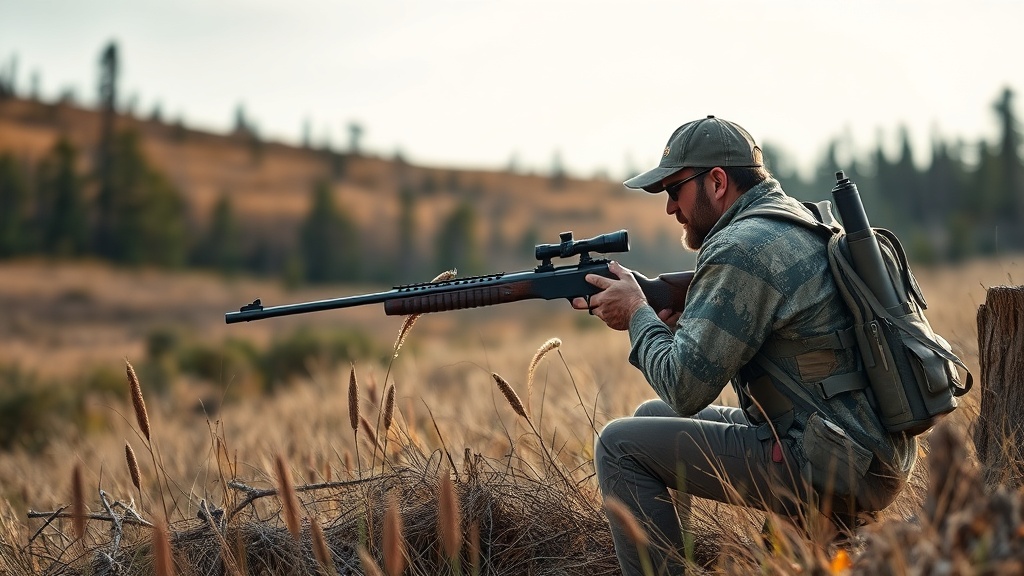 After completing education, you need a hunting license for your state. Purchase tags specific to the game you pursue, like deer or turkey. Always carry your license and tags while hunting. Check your state’s wildlife agency website for specific requirements and where to buy licenses. For example:
Essential Safety Gear
Safety is paramount in hunting. Do not compromise on personal protective equipment.
Eye and Ear Protection
Always use eye and ear protection when shooting. Shooting ranges require them. Wearing them in the field, especially when hunting with others, is also a good practice. Ear plugs or muffs protect your hearing from loud gunshots. Safety glasses shield your eyes from debris or errant shots.
Blaze Orange
Many states require hunters to wear blaze orange during certain hunting seasons. This highly visible color makes you stand out to other hunters, reducing the risk of accidental shootings. Check your state’s regulations for how much and where it must be worn. For example, Wisconsin requires at least 50% of the outer clothing above the waist to be blaze orange or fluorescent pink during firearm deer season2.
First-Aid Kit
A compact first-aid kit is essential. Include:
- Bandages and gauze
- Antiseptic wipes
- Medical tape
- Pain relievers
- Tweezers and scissors
- Personal medications
Being prepared can make a real difference in the field.
Core Hunting Gear
Once safety is covered, focus on the gear specific to hunting.
Firearm or Bow
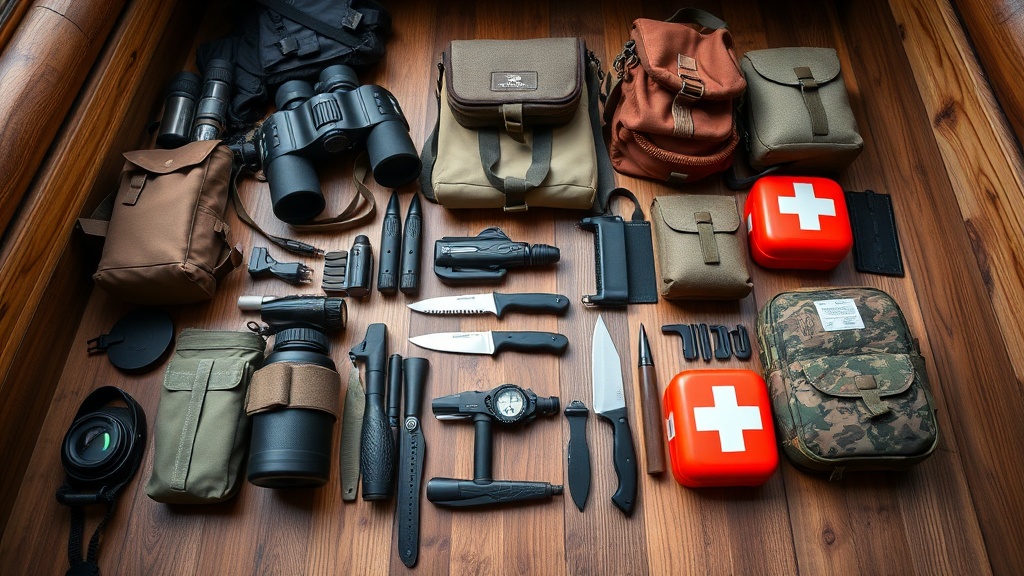
Choose a weapon appropriate for the game you’re hunting:
- Whitetail deer: .243 to .30-06 caliber rifles or compound bows3
- Turkey: 12 or 20 gauge shotgun with turkey load
- Waterfowl: 12 gauge with non-toxic shot
Practice until you’re confident. Ethical hunting means knowing your limits and making clean shots.
Learn more about choosing calibers
Ammunition or Arrows
Use the right load or broadhead for your game. Always bring extras for:
- Sight-in/practice
- Misses or follow-up shots
Double-check state laws about projectile types. For example, lead shot is banned for waterfowl nationwide4.
Hunting Knife
You’ll need a sharp, strong knife for:
- Field dressing
- Skinning
- Camp chores
Fixed blades are often better for durability. Folding knives are more compact.
Backpack
Pick a backpack that fits your hunting style. Look for:
- Hydration compatibility
- Quiet fabric
- External straps for weapons or game bags
Navigation Tools
Smartphones with GPS apps are common, but they’re not foolproof. Always carry:
- A compass
- Printed topographic maps
- Spare batteries or power bank
Know how to use these tools before heading out.
Clothing and Footwear
Dress to stay dry, warm, and quiet.
Layered Clothing
Use a three-layer system:
- Base layer: Moisture-wicking
- Mid layer: Insulation (fleece or wool)
- Outer layer: Waterproof and windproof
Avoid cotton. It holds moisture and loses insulation value when wet.
Waterproof Outerwear
Wet clothes lead to chills. Look for:
- Sealed seams
- Breathability
- Quiet fabrics
Sturdy, Comfortable Boots
Your boots matter more than most other gear. Look for:
- Waterproof material (Gore-Tex or similar)
- Aggressive tread
- Ankle support
Break them in weeks before your hunt.
Other Helpful Items
These round out your kit.
Binoculars
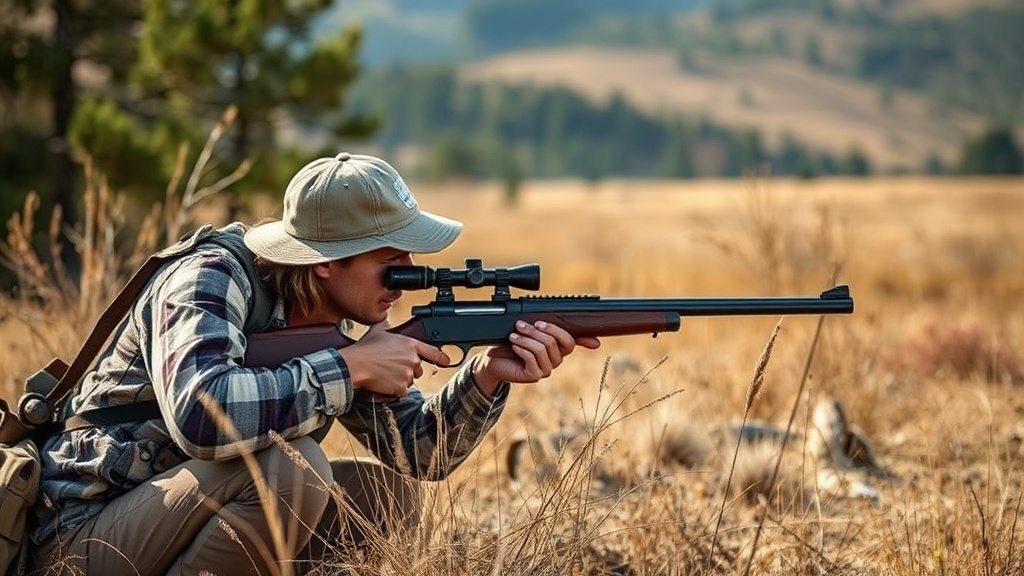
A decent pair of binoculars helps you:
- Spot game at a distance
- Avoid unnecessary movement
- Identify antlers or legal features
Headlamp or Flashlight
Carry at least one light source:
- Headlamps keep hands free
- Choose one with red light mode
- Pack extra batteries
Game Call
Use species-specific calls like:
- Deer grunt tubes
- Turkey mouth or box calls
- Predator distress calls
See game calling tips for deer
Game Bag or Cooler
After a successful harvest, use:
- Game bags for protection and airflow
- Coolers with ice packs for transport
Water and Snacks
Dehydration and low energy creep up fast. Pack:
- 2+ liters of water
- Trail mix, jerky, energy bars
Before You Go: Final Preparations
A few final steps can make or break your hunt.
Know the Regulations
Regulations vary widely by state and species. Always check:
- Legal shooting hours
- Bag limits
- Allowed weapons and ammunition
- Season dates
See Florida season dates or Pennsylvania rules for examples.
Tell Someone Your Plan
Share the following with a trusted contact:
- Where you’ll be
- When you plan to return
- Who you’re hunting with
If something goes wrong, this helps search and rescue.
Practice
- Visit a shooting range often
- Practice offhand and kneeling positions
- Set up realistic targets at hunting distances
Respect the Land and Wildlife
- Pack out all trash
- Only shoot when you’re sure
- Never trespass
Whether you’re on public land or a private lease, being respectful helps preserve access for all.
Learn about public hunting land
Start early, stay safe, and hunt responsibly. One overlooked item or rule can ruin an otherwise great trip. Go in prepared, and you’ll come out with experience. and maybe even a full freezer.
Explore Related Topics:
Notice an update we should make?
We strive for accuracy. Contact us here if you see incorrect or outdated info on this page.