Choosing the right caliber is crucial for a successful and ethical hunt. It’s not just about power. It’s about matching the cartridge to the animal, your skill level, and the conditions you hunt in. A well-chosen caliber helps ensure a clean, quick harvest.
This guide covers what matters most when choosing a hunting caliber: the size of the game, recoil, shot distance, and bullet type. It also includes examples of commonly used cartridges for different animals.
Calibers by Game Size
Small Game and Varmints
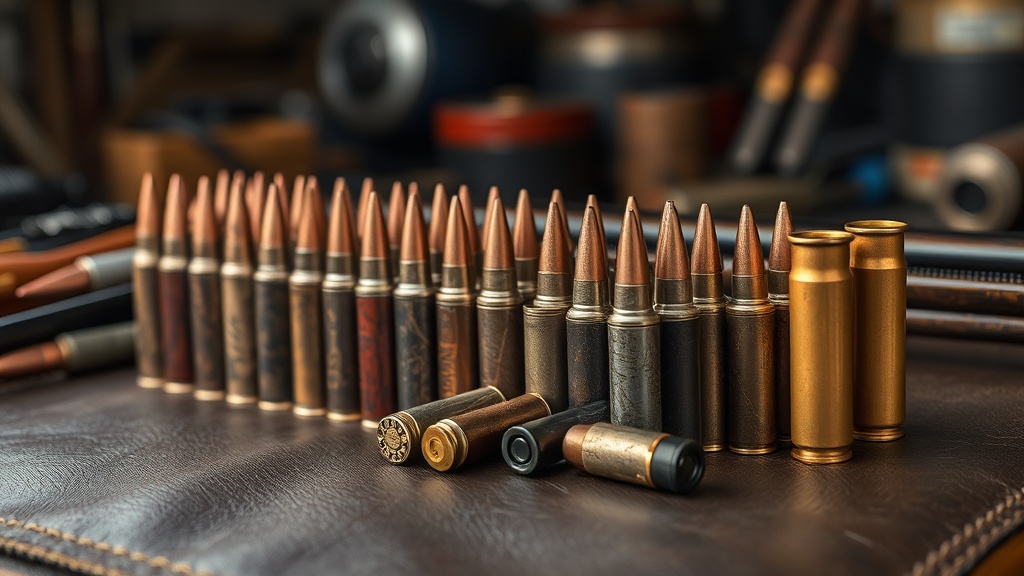 For squirrels, rabbits, raccoons, and prairie dogs, use low-recoil rimfire cartridges. These animals don’t require much energy to take ethically.
Good options:
- .22 LR. Great for small game at close range. Low noise and recoil.
- .17 HMR. Flatter trajectory. Good for small varmints up to 150 yards.
- .22 WMR (Magnum). More power than .22 LR. Works on larger small game or coyotes.
Medium Game (Whitetail Deer, Hogs, Antelope)
Whitetail deer typically weigh 150–300 lbs (bucks), 90–200 lbs (does). These animals need enough energy to break bone and reach vital organs.
Proven choices:
- .243 Winchester. Light recoil. Accurate. Ideal for deer-sized game.
- 6.5 Creedmoor. Excellent ballistics. Flat shooting and manageable recoil.
- .270 Winchester. Time-tested performer for whitetail and mule deer.
- .308 Winchester. Very common. Good energy and availability.
- .30-06 Springfield. A do-it-all cartridge. Plenty of power with the right bullet.
Large Game (Elk, Moose, Bear)
Elk can weigh 700–1,100 lbs (bulls), 500–600 lbs (cows), so larger animals need deeper penetration. Use a cartridge with enough energy and the right bullet construction.
Trusted calibers:
- .30-06 Springfield. With heavy bullets, works for elk.
- .300 Win Mag. More velocity and energy. Better for longer-range elk or moose.
- .338 Win Mag. Higher recoil, but ideal for the biggest North American game.
- .375 H&H Mag. Overkill for deer, but effective on large bears or moose.
Recoil Comparison
Too much recoil can ruin your shooting form. Use a caliber you can shoot comfortably.
| Recoil Level | Examples |
|---|---|
| Low | .22 LR, .243 Win, 6.5 Creedmoor |
| Moderate | .270 Win, .308 Win, .30-06 |
| High | .300 Win Mag, .338 Win Mag |
Tip: A heavier rifle, muzzle brake, or recoil pad can help reduce felt recoil. But nothing beats regular practice.
Typical Shot Range
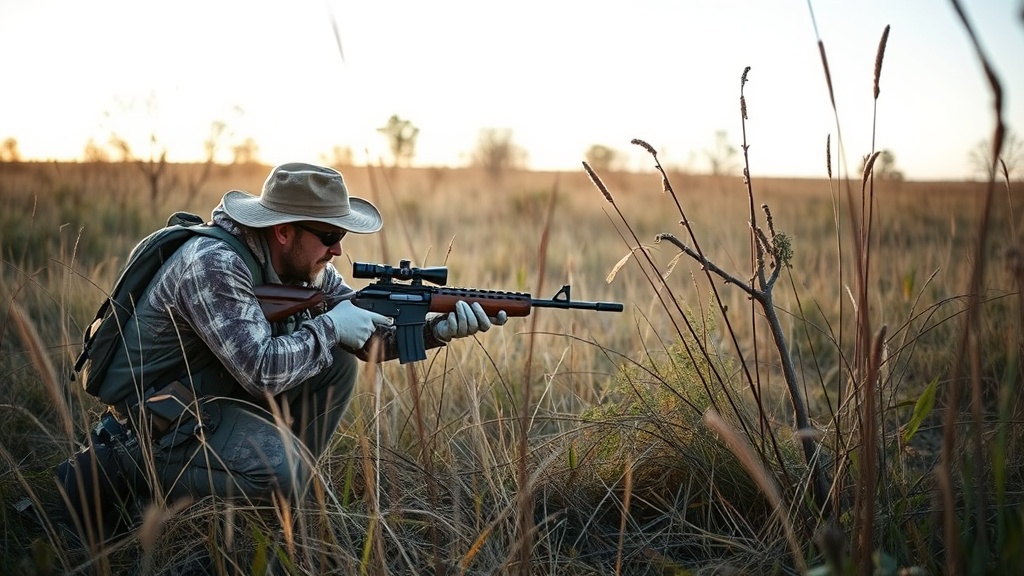
Think about how far you’ll shoot most often. Pick a caliber that performs well at that range.
| Range | Caliber Examples |
|---|---|
| Under 100 yd | .30-30 Win, .243 Win, .308 Win |
| 100–300 yd | 6.5 Creedmoor, .270 Win, .30-06 |
| 300+ yd | .300 Win Mag, 7mm Rem Mag |
Most hunters take shots inside 200 yards. If that’s true for you, don’t overbuild your rifle setup for extreme long range.
Bullet Type Matters
The right bullet for the job is just as important as caliber.
- Soft Point (SP): Expands on impact. Common for deer.
- Polymer Tip: Accurate and consistent expansion.
- Bonded Core: Jacket and core stay together. Ideal for tough game.
- Copper (Monolithic): Expands well and retains weight. Required in some areas like California1.
Never use varmint bullets on big game. They’re designed to fragment and can fail to penetrate deeply enough.
Ammunition Cost and Availability
If you hunt often, or plan to practice a lot, pick a caliber with affordable, widely available ammo. Popular options like .308 Win and .30-06 are easy to find. Exotic magnums may be expensive or hard to source.
Legal Requirements
Some states have minimum caliber rules for big game. Most require a centerfire rifle and often specify bullet diameter or energy.
Always check the hunting rules in your state. See California’s nonlead ammo rules here 1. For deer hunting requirements in other states, go to your state regulations page.
Final Tips
- Practice often. A .243 that you shoot well beats a magnum you flinch with.
- Pick for your game. Don’t carry more gun than you need.
- Test your setup. Sight in your rifle with your hunting ammo and learn its drop at different ranges.
If you’re building your hunting setup, check out our guide on the best deer hunting rifles for practical recommendations.
Reminder: Always use the correct bullet for your game, and double-check local rules before heading out.
Explore Related Topics:
Notice an update we should make?
We strive for accuracy. Contact us here if you see incorrect or outdated info on this page.