Understanding the best times to hunt deer significantly increases your chances of success. Deer behavior changes throughout the hunting season, influenced by factors like food availability, breeding cycles, and weather. Knowing these patterns helps you plan your hunts effectively.
Early Season Deer Hunting
The early hunting season typically runs from late summer through early fall. This period often presents warmer temperatures. Deer are generally in their summer patterns, focusing on feeding and building reserves before winter.
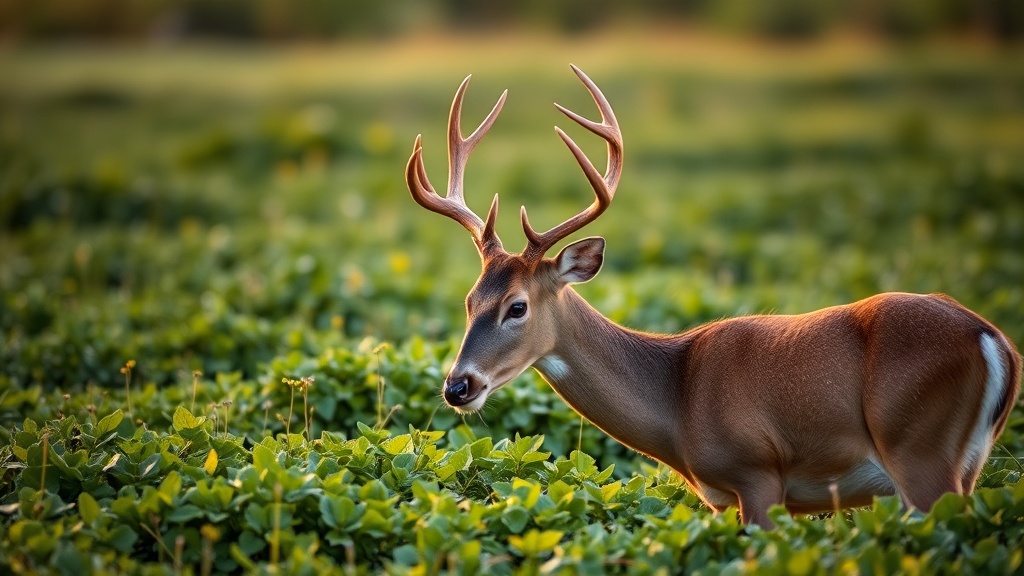
Deer Behavior in Early Season
In the early season, deer are often predictable. They stick to established food sources like agricultural fields, acorns, and soft mast. Bucks may still be in bachelor groups, and their antlers are fully developed but often still covered in velvet in the earliest part of the season. Movement is usually tied to dawn and dusk. Night movement is common, especially in areas with high human activity.
Early Season Hunting Strategies
Focus on food sources. Scout for trails leading to and from feeding areas. Water sources can also be productive, especially during warm weather. Morning and evening hunts are usually best. Consider shaded areas or timber edges during midday if temperatures are high. Scent control is critical as deer are less pressured and more sensitive to foreign odors. Whitetail deer senses include Exceptional hearing and sense of smell; moderate vision with strong motion detection, making them highly alert to anything out of place.
Pre-Rut Deer Hunting
The pre-rut period usually occurs in mid-to-late October in many regions. Temperatures begin to cool, and days shorten. This is a transition phase leading up to the peak breeding activity.
Deer Behavior During Pre-Rut
Bucks begin to disperse from bachelor groups. They start to make rubs and scrapes, marking their territory. Their primary focus shifts from just feeding to asserting dominance and searching for the first receptive does. Sparring matches among bucks also become common. Deer movement increases, especially daylight movement, as bucks become more active.
Pre-Rut Hunting Strategies
Scrapes and rubs are excellent indicators of buck activity. Hunt near these signposts, but also consider travel corridors between bedding areas and traditional food sources. Grunt calls and rattling can be effective as bucks are starting to feel competitive. Patience is key. Bucks are ranging more, but not yet completely committing to does.
Peak Rut Deer Hunting
The peak rut is often considered the best time to hunt deer. It typically happens in late October or early to mid-November, depending on the region. The whitetail breeding season is October through January (peak rut: November), and this is when the majority of does are in estrus.
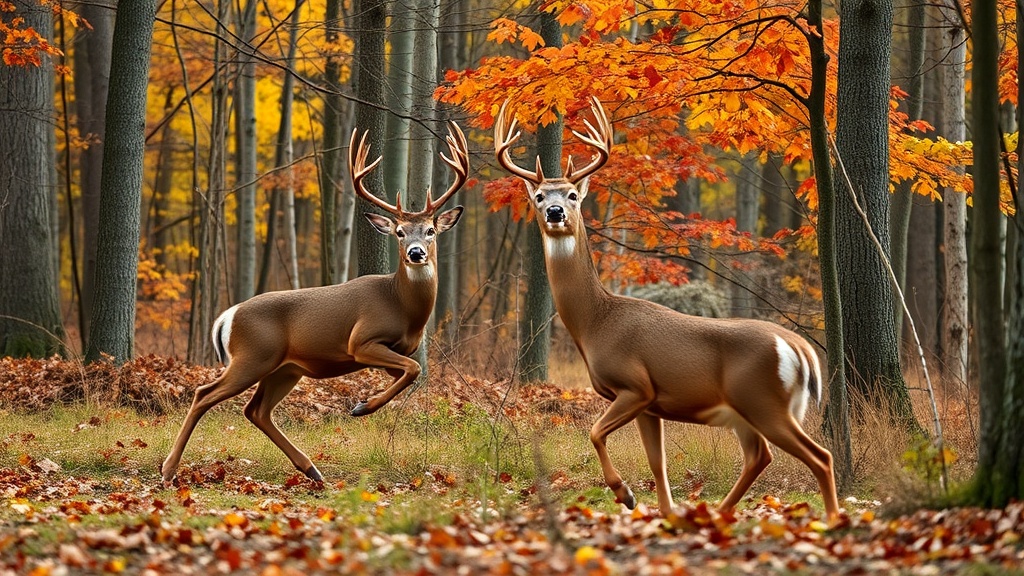
Deer Behavior During Peak Rut
Bucks are actively pursuing and breeding does. They may abandon caution, chasing does relentlessly. Daytime movement is at its highest point during the rut. Bucks are less focused on food and more on breeding. This often means they will be moving throughout the day, even in open areas.
Peak Rut Hunting Strategies
Focus on areas where does congregate. Funnels, pinch points, and traditional travel corridors are prime locations. Bucks will be covering a lot of ground searching for does. Calling strategies like grunts, bleats, and rattling can be highly effective during the peak rut. Stay in your stand longer; a buck could appear at any time of day. Be ready for fast action.
Post-Rut Deer Hunting
The post-rut period follows the peak breeding activity, usually lasting from late November through December. Deer are recovering from the intensity of the rut, and winter weather often sets in.
Deer Behavior During Post-Rut
Bucks are exhausted and have lost significant body weight. Their primary focus shifts back to feeding to regain energy and prepare for winter. Does are also feeding heavily, having either been bred or waiting for a second estrus cycle. Deer activity near food sources increases again. However, deer are also more wary due to hunting pressure.
Post-Rut Hunting Strategies
Key in on food sources that are still available. Standing crops, late-season acorns, and food plots can be excellent. Thermal cover, like thick evergreens or south-facing slopes, becomes important as temperatures drop. Deer will seek these areas for warmth and shelter. Hunt during midday, especially if temperatures are low, as deer may move to feed during the warmest parts of the day.
Late Season Deer Hunting
The late season typically occurs in December and January, sometimes extending into February in certain states. This is the coldest part of the year.
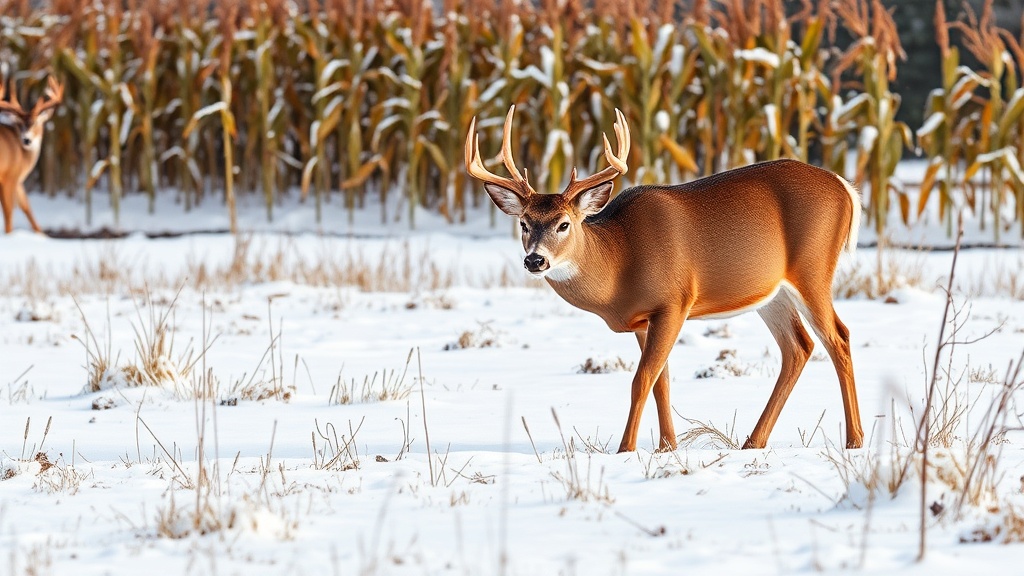
Deer Behavior During Late Season
Survival becomes the deer’s main priority. They group up, often in larger herds, for safety and to find food. Food sources are scarce, and deer will conserve energy. Movement is often limited to vital foraging trips and seeking thermal cover. Bucks have often shed their antlers by this point, especially later in the season.
Late Season Hunting Strategies
Food is paramount. Locate the most accessible and nutritious food sources available. This could be specific agricultural fields, food plots, or browse. Look for heavy cover near these food sources where deer can bed and escape the elements. Cold weather often means deer move during warmer parts of the day. Snow can be an advantage, making deer highly visible and tracks easy to follow.
Weather and Deer Movement
Weather plays a major role in when deer move.
- Fronts: Just before a cold front, deer activity often spikes. After a cold front, movement may be slower, but consistent.
- Temperature: Deer generally move more in cooler temperatures. Extremely hot or extremely cold weather can suppress daytime movement.
- Precipitation: Light rain or snow can increase deer activity, especially during the rut. Heavy downpours or blizzards will usually keep deer bedded.
- Wind: High winds make deer uncomfortable and reduce their movement. They may seek sheltered areas.
Plan Your Hunt
Understanding these seasonal patterns and weather influences will help you choose the best times to be in the woods. Always check your state’s specific hunting regulations for season dates, bag limits, and permitted weapons. 1
Planning your hunts around these prime times, coupled with thorough scouting, will significantly improve your deer hunting experience. Read our deer hunting gear guide to ensure you are equipped for any season.
Explore Related Topics:
Notice an update we should make?
We strive for accuracy. Contact us here if you see incorrect or outdated info on this page.