Choosing a Hunting Backpack That Matches Your Hunt
A good hunting backpack is more than just a bag. It carries your gear, keeps you comfortable, and can even help you pack out game. Picking the right one depends on your hunt type, duration, and what you need to carry1.
Best for hunting:Elk, White-tailed Deer
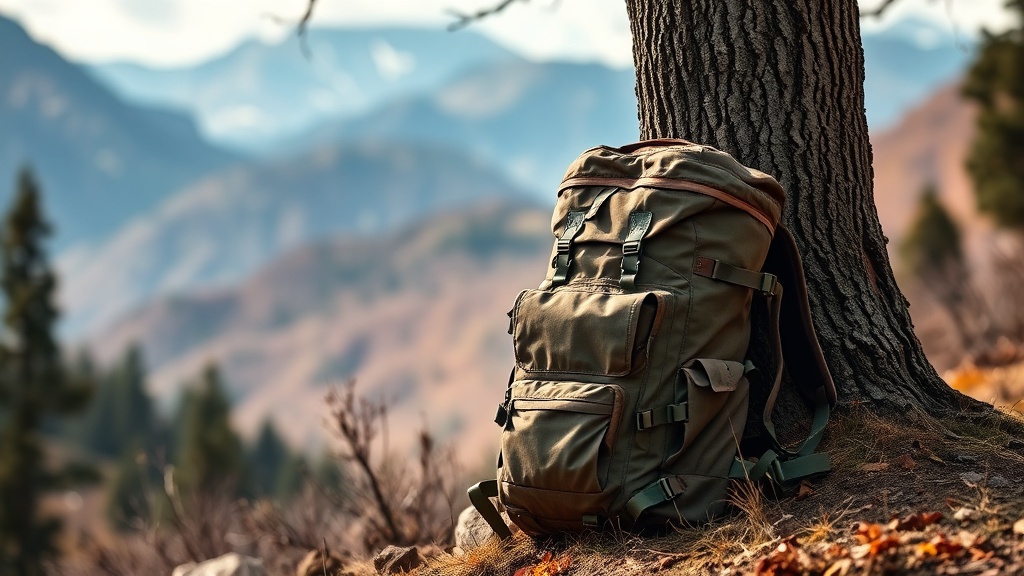 This guide breaks down what to look for in a hunting backpack. We cover capacity, comfort, durability, and important features.
Understanding Backpack Capacity
Backpack capacity is measured in liters. The size you need depends on how long you will be in the field and how much gear you need.
Day Packs (15–35 Liters)
Day packs are for hunts lasting a few hours to a full day. They’re light and compact. They carry essentials like water, snacks, a first-aid kit, calls, and a few layers of clothing1.
- Best for: Short scouting trips, quick morning or evening hunts, small game hunting, or when hunting close to your vehicle or camp
- Key features: Hydration reservoir compatibility, external pockets for quick access, comfortable shoulder straps
- Example use case: A morning whitetail hunt on private land. You need water, a snack, binoculars, and a rangefinder.
Overnight/Extended Day Packs (35–65 Liters)
These packs work for trips lasting one to two days. They offer more space for extra clothing, a compact sleeping system, and more food and water. They’re also good for hauling out parts of an animal like a boned-out deer.
- Best for: Overnight scouting trips, full-day elk or turkey hunts in rugged areas
- Key features: Solid suspension, chest strap and hip belt, compression straps, weapon carry system
- Example use case: A two-day trip in the mountains. You pack a light sleeping bag, small tent, extra food, and warm gear.
Multi-Day/Expedition Packs (65+ Liters)
Multi-day packs are for longer hunts, often three days or more. They carry food, shelter, sleeping systems, and gear for field dressing and meat hauling. Many have external frames or meat shelves23.
- Best for: Backcountry black bear or moose hunts in remote areas
- Key features: Internal or external frame, meat shelf, rugged hip belt, tough outer fabric
- Example use case: A five-day trip deep into BLM land. You carry shelter, food, and tools to quarter and haul out game.
Comfort and Fit
When your pack fits right, you can hike longer, move quieter, and haul heavier loads without injury1.
Suspension System
The suspension system includes the frame, shoulder straps, and hip belt.
- Internal Frame: Built into the pack. Keeps weight close to your back. More compact.
- External Frame: Frame sits outside the bag. Better airflow and load control for packing meat or camp gear.
- Frameless: Used in small day packs. Light, but not for heavy gear.
Shoulder Straps and Hip Belt
- Padded shoulder straps: Help distribute weight evenly across your upper body.
- Hip belt: Carries most of the weight. Should be wide, padded, and adjustable.
- Sternum strap: Adds stability and prevents the pack from shifting.
Torso Fit
Some backpacks let you adjust the torso length to match your body. This helps center the weight and improves comfort. A poor fit will wear you out fast1.
Durability and Materials
Backpacks take a beating. Brush, rocks, meat, weather. they all wear down gear fast. Look for:
Fabric
- Nylon (500D to 1000D): Strong and abrasion-resistant
- Cordura: Extra-tough nylon used in high-stress areas
- Ripstop: Woven to prevent rips from spreading
Zippers and Buckles
- YKK zippers: High-quality, reliable in cold and wet
- Heavy-duty buckles: Thick, cold-resistant plastic or metal
Reinforced Stitching
- Double stitching and bartacking at load-bearing points adds strength
Features Hunters Need
Backpacks for hunting should help you carry more than just gear. Look for these features:
Weapon Carry System
- Rifle scabbard: Padded sleeve that holds the gun along the side or back
- Bow holder: Straps or slots for compound or recurve bows
- Compression straps: Secure weapons or extra clothing23
Hydration Compatibility
Most packs come with a sleeve for a water bladder and port for the hose. Staying hydrated is a must4.
Organization
- External pockets: For quick items like gloves, rangefinder, wind checker
- Internal pouches: Keep small items separated
- Lid/top pockets: Good for snacks, headlamp, license
Meat Shelf or Load Haul System
You’ll want a way to carry quarters, bone-in meat, or game bags without soaking your sleeping gear.
Tip: Keep meat off your main bag with a separate load shelf. This helps with cleanliness and weight distribution23.
Rain Cover
Some packs come with built-in rain covers. If not, buy one that fits. Wet gear can lead to hypothermia.
Quiet Fabric
Avoid stiff, loud fabrics if you’re hunting turkey or whitetail. Fleece-lined or brushed packs help you stay quiet1.
Comparison Table: Backpack Features by Hunt Type
| Hunt Type | Suggested Capacity | Key Features | Best Pack Style |
|---|---|---|---|
| Day Hunt | 15–35L | Hydration sleeve, small pockets, light | Frameless or light internal frame |
| Overnight Hunt | 35–65L | Hip belt, weather gear storage, meat shelf | Internal frame |
| Multi-Day Backcountry | 65L+ | External frame, haul system, durable build | External or large internal frame |
Trusted Backpack Brands
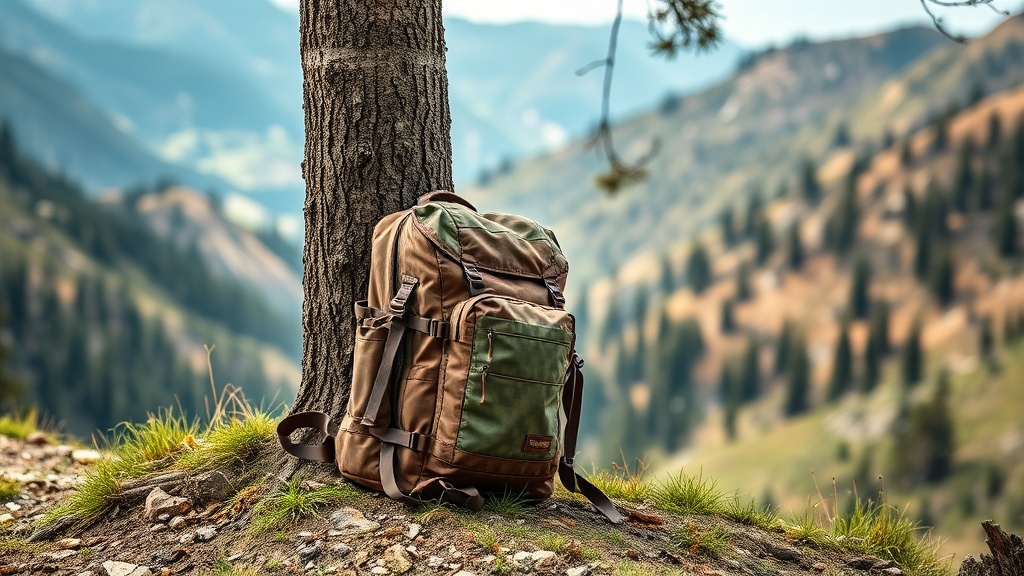
Here are a few that hunters rely on23:
- Badlands: Durable with lifetime warranty
- Eberlestock: Weapon-ready designs with internal frames
- Mystery Ranch: Made for heavy loads, modular setups
- Kuiu: Lightweight, mountain-style hunting
- Stone Glacier: Minimalist and meat-hauling capable
- Sitka Gear: Weatherproof systems designed for stealth
How to Pick the Right Pack
Before you buy:
- Know your hunt. Will you be hunting public land for multiple days, or driving into a walk-in program for evening sits?
- Try it on. A good store will let you load it with weight and adjust the straps.
- Check the frame. External frames help pack out game. Internal frames carry better for longer hikes.
- Read reviews from real hunters. Look for situations similar to your hunting style23.
- Know the return policy and warranty. Some brands offer lifetime support.
Final Tip
A pack that fits well and holds what you need will make your hunts more successful. and safer. Don’t skimp. Even for short deer hunts, comfort and function matter.
Before your next hunt, run through our first-time hunter checklist and make sure your pack is ready for the job.
Related Guides
- Hunt packing list – what to put inside your pack for day hunts and multi-day trips
- Public land checklist – access rules, maps, and logistics for hunting public ground
- All gear reviews – browse more equipment guides for boots, rifles, optics, and calls
Explore Related Topics:
Notice an update we should make?
We strive for accuracy. Contact us here if you see incorrect or outdated info on this page.