Thermal scopes are changing how many hunters operate. These devices detect heat signatures, allowing you to see animals even in complete darkness, thick fog, or dense brush. Unlike traditional night vision which amplifies existing light, thermal technology works by sensing temperature differences. This means an animal stands out clearly against a cooler background, regardless of ambient light conditions.
Many hunters use thermal scopes for predator control, especially hogs or coyotes, which are often active at night. They can also be valuable for game recovery, helping you find downed animals that might be hidden by darkness or cover.
Best for hunting:Feral Hog
How Thermal Scopes Work
Thermal scopes contain a sensor called a microbolometer. This sensor detects infrared radiation,heat,from objects. The scope converts that heat into a visible image.
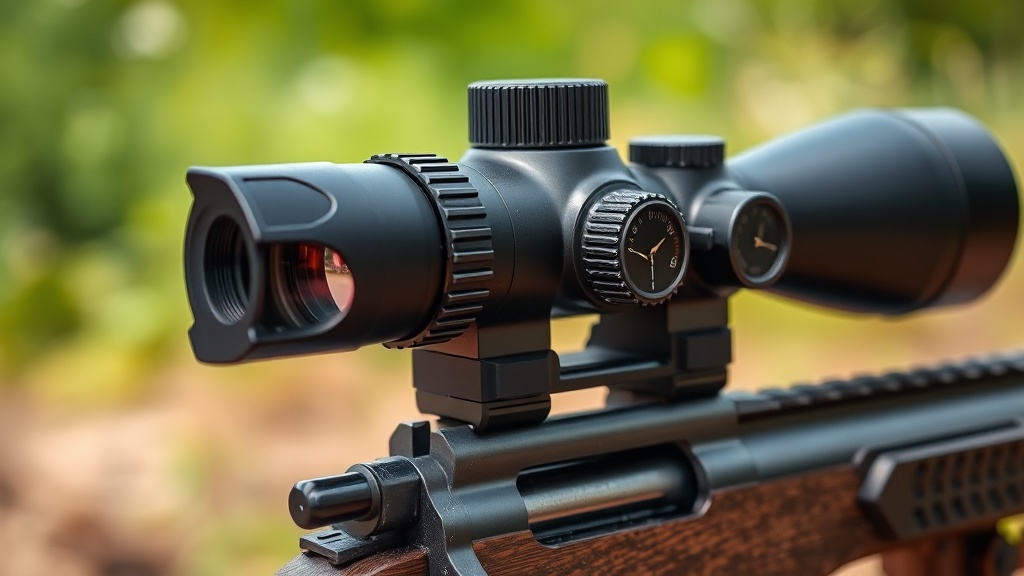 The image isn’t light-based. It’s a heat map. Warm objects, like animals, show up as brighter or differently colored compared to the cooler background. Most scopes let you switch color palettes like:
- White hot: Warmer objects appear white
- Black hot: Warmer objects appear black
- Color modes: Like rainbow or iron for more contrast
These options help you choose what’s easiest on your eyes in different conditions.
Advantages of Using Thermal Scopes
See in Complete Darkness
Thermal optics don’t need any light at all. On moonless nights, inside barns, or under thick cloud cover, you can still see animals clearly.
Cut Through Brush and Cover
Thermal can detect heat through thin brush, grass, or camo. If something’s hiding in thick cover, the heat signature still gives it away. This helps when spotting bedded animals or tracking movement through dense terrain.
Recover Game Faster
Finding a downed animal after dark or in thick brush can be tough. Thermal scopes let you scan for body heat, even hours after the shot. Many hunters use handheld thermal units for this purpose.
Spot Animals You’d Miss
Even in daylight, thermal optics can show you animals that blend into the environment. A deer bedded in tall grass or a hog in a shady grove is easier to pick out with thermal.
Legal Considerations for Thermal Scopes
Thermal scopes are not legal for all types of hunting in all states. Laws vary by location and species.
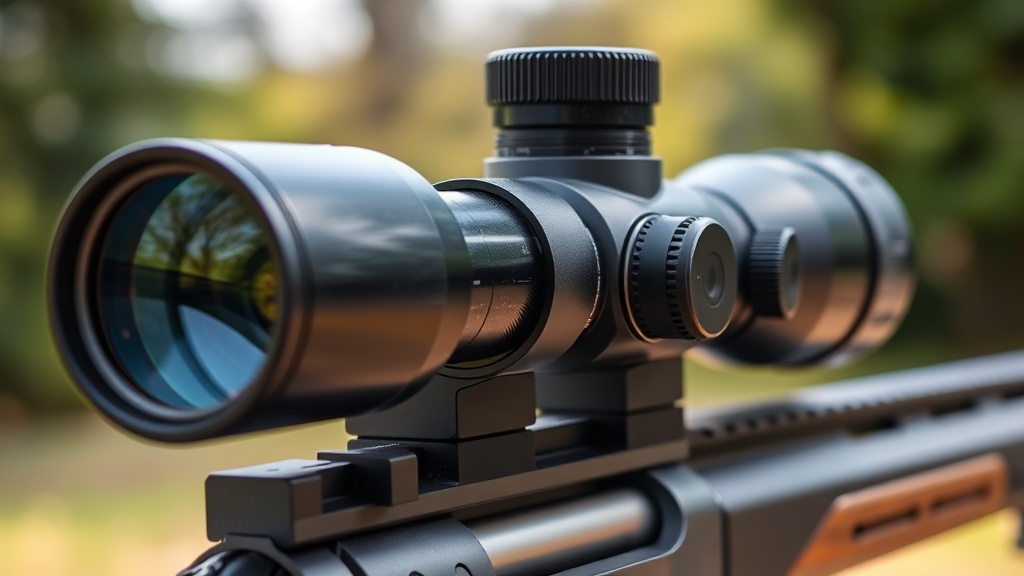 Most states do not allow thermal scopes for hunting big game like deer or elk. Some states do allow them for nuisance species such as feral hogs, coyotes, or raccoons,often at night.
For example:
- In Texas, thermal optics are legal for hunting feral hogs and coyotes 1.
- In California, using thermal or night vision scopes for hunting big game is generally prohibited 2.
Before using a thermal scope, check your state’s hunting regulations. Go directly to the official wildlife agency’s website or review our state regulations guides.
Violating these rules can lead to fines or loss of hunting privileges.
Choosing the Right Thermal Scope
When buying a thermal scope, look at these key specs:
| Feature | What It Does | Why It Matters |
|---|---|---|
| Resolution | Image clarity (e.g., 384x288, 640x480) | Higher resolution = clearer target ID |
| Refresh Rate | How smooth the image is (e.g., 30Hz, 60Hz) | Helps with tracking moving animals |
| Detection Range | How far it picks up heat | Useful for scanning large areas |
| Lens Size | Larger lens gathers more heat | Better image, but adds weight |
| Battery Life | Runtime per charge | Critical for long hunts at night |
| Mounting & Zeroing | Must hold zero after recoil | Accuracy depends on it |
Many scopes also include:
- Multiple reticle options
- Photo/video capture
- Wi-Fi for live viewing
- One-shot zeroing systems
- Ballistic calculators
Cost
Thermal scopes aren’t cheap. Entry-level models start around $1,000–$2,000. Mid-range optics with good features run $3,000–$5,000, and high-end tactical models can exceed $7,000.
Decide what features you actually need based on how and what you hunt.
Tips for Using Thermal Scopes
- Practice in your backyard or woods before the season. Get used to how animals and objects look in thermal.
- Carry backup batteries or a power bank. Thermal optics use a lot of power.
- Know the difference between detection and identification. You might see a heat signature, but need time to ID the animal properly before taking a shot.
- Avoid direct sun during the day. Surfaces heated by the sun can create false positives.
- Don’t forget about recoil. Check your zero often, especially after travel or heavy use.
- Always double-check regulations. Some states change thermal rules year to year.
When Thermal Makes Sense
Thermal scopes are best for:
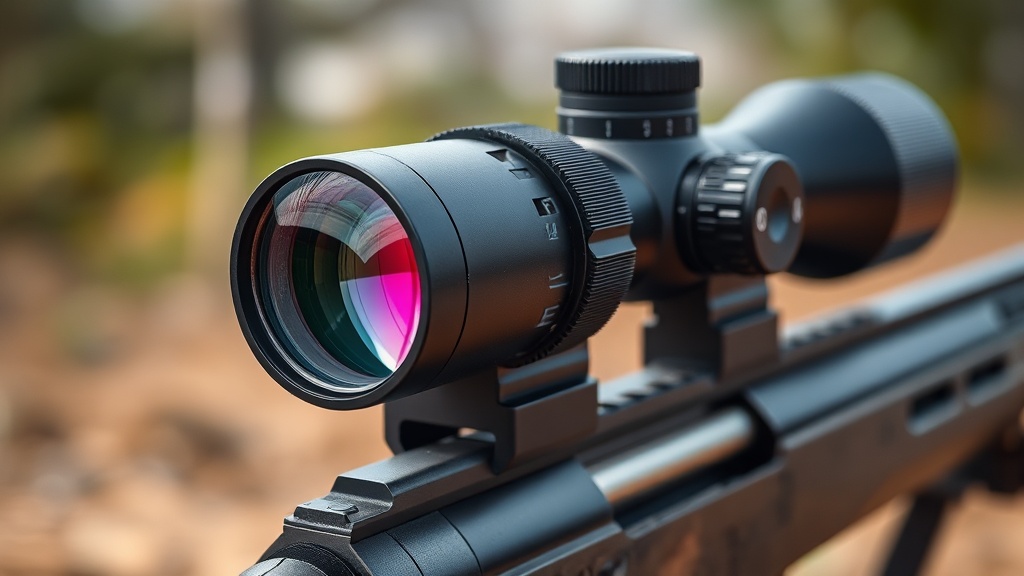
- Hunting feral hogs at night Learn more about hog hunting tactics
- Predator management (like coyotes or bobcats) See predator hunting tips
- Game recovery in thick terrain or after sunset
- Surveillance on private property or food plots
If you’re hunting whitetail, elk, or turkey, check if thermal is allowed. In most cases, it’s not.
Final Tip
If you’re investing in a thermal scope, treat it like any other precision hunting tool. Learn how it works, practice regularly, and stay within the law. For help choosing gear, visit our gear section or check out our best deer hunting rifles to match with your optic setup.
Always check your local regulations before hunting with any electronic device.
References
Explore Related Topics:
Notice an update we should make?
We strive for accuracy. Contact us here if you see incorrect or outdated info on this page.