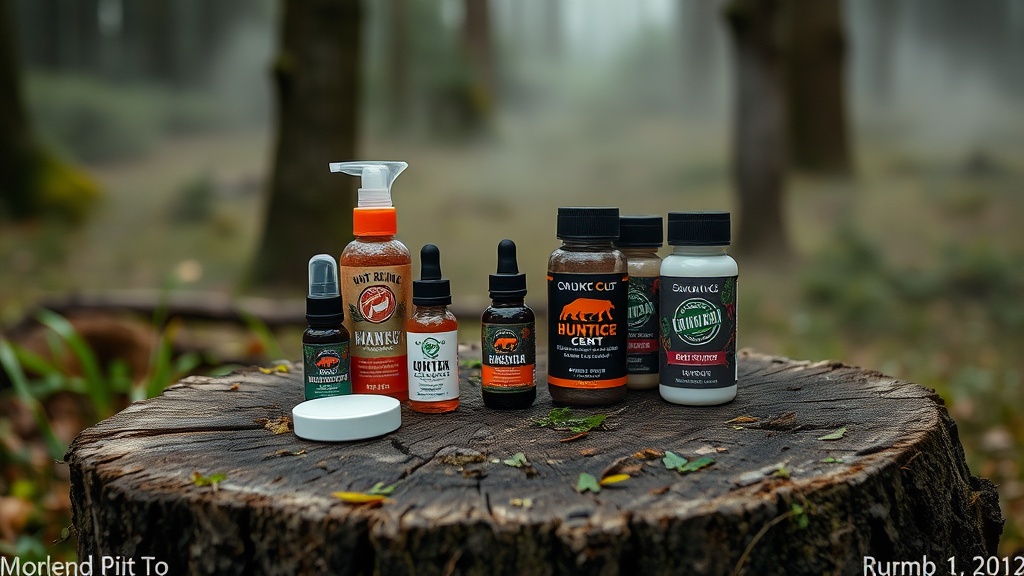
Scent control is a key part of hunting. Animals, especially deer, have an incredibly strong sense of smell. They can detect human odor from far away. Using scent control products helps you get closer to your target. These products work to mask or eliminate human smells. They are an important part of a hunter’s routine.
Best for hunting:White-tailed Deer
What is Scent Control?
Scent control means managing your odor as a hunter. This is because animals rely heavily on smell to detect danger. Human odor comes from sweat, skin cells, and other things we carry. Even a faint smell can alert an animal. Scent control products aim to reduce or hide these smells. This allows you to remain undetected.
Why is Scent Control Important?
Imagine a deer smelling you before you even see it. It will likely move away. Scent control increases your chances of success. It helps you get closer to animals without spooking them. This is especially true for bow hunters who need to be very close. Even with a rifle, reducing your scent gives you an advantage. It allows you more time for a shot or to observe the animal.
Types of Scent Control Products
Many different products are available for scent control. They generally fall into a few categories.
Scent-Eliminating Sprays
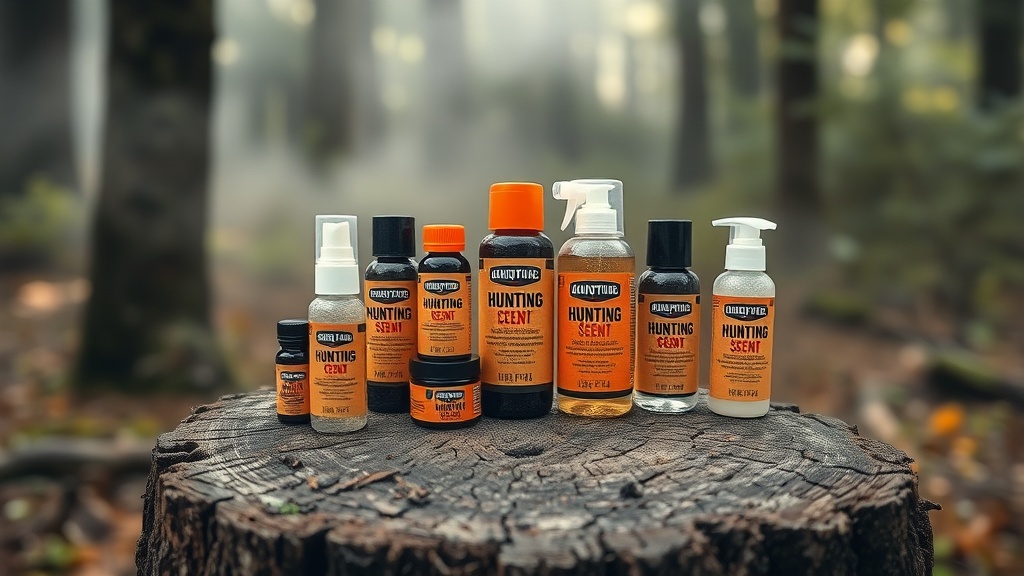
These are perhaps the most common scent control product. They come in bottles with spray nozzles. You spray them on your hunting clothes, boots, and gear. Many sprays contain enzymes or other agents that break down odor molecules. Others like activated carbon work by absorbing odors.
Some sprays are marketed as “odorless” or “earth-scented.” It is important to remember that truly eliminating all odor is very difficult. These sprays aim to reduce the strongest human smells. Always apply them just before heading out or once you are in the field.
Scent-Free Detergents and Soaps
Your regular laundry detergent and soap have strong scents. These scents can alert animals. Scent-free detergents and body soaps are designed to prevent this.
- Wash your hunting clothes in scent-free detergent before storing them.
- Use scent-free soap and shampoo before your hunt to remove everyday odors from your body.
This step is critical for overall scent management.
Activated Carbon Clothing
Some hunting clothes are made with activated carbon. This material is woven into the fabric. Activated carbon is known for its ability to absorb odors. As you wear these clothes, they trap human odors.
These garments can be expensive and require special care:
- Reactivate in a hot dryer to release trapped odors.
- Store properly after use to avoid re-contamination.
Scent-Blocking Storage Bags and Containers
After washing your clothes in scent-free detergent, you need to store them properly. Scent-blocking bags are designed for this. They are often made of materials that prevent outside odors from getting in.
You can also use large totes or containers:
- Clean and dedicate these only to hunting gear.
- Avoid storing them near strong smells like gas cans, food, or perfumed products.
Ozone Generators
Ozone generators produce ozone gas (O₃), which reacts with and neutralizes odors. Hunters use them in sealed bags or containers with clothing and gear.
Be cautious when using ozone:
- Ozone has a distinct smell that animals might detect.
- Follow all safety instructions and avoid enclosed spaces without ventilation.
- Read up on health concerns related to ozone use 1.
How to Use Scent Control Products Effectively
Using scent control products is not just about having them. It’s about using them consistently and correctly.
Start Before the Hunt
Your scent control efforts begin at home:
- Wash with scent-free detergent.
- Shower with scent-free soap and shampoo.
- Store clothes immediately in scent-blocking bags or airtight containers.
Get Dressed in the Field
Don’t wear your hunting clothes in the car or house:
- Change into your gear near your hunting location.
- Spray down outer layers, boots, and gear before heading in.
Pay Attention to Your Boots
Your boots leave a scent trail wherever you walk:
- Clean them thoroughly.
- Spray them with scent-eliminating spray.
- Consider using rubber boots, which absorb less scent.
Manage Your Breath and Body
Your breath and skin give off scent:
- Chew scent-free gum.
- Avoid cologne, scented deodorants, and strong-smelling foods.
- Don’t smoke before or during your hunt.
Consider the Wind
Even with perfect scent control, wind matters:
- Always hunt with the wind in your favor.
- Use wind checker powder or light string to track shifts.
- Adjust your position as needed.
Limitations of Scent Control
It’s important to be realistic:
- No product is 100% effective.
- Deer and other game animals have extremely sensitive noses.
- Movement also gives off scent and disturbs air patterns.
Scent control helps but won’t cover poor planning. Combine it with wind awareness and smart hunting strategies.
Choosing the Right Products
There’s no one-size-fits-all solution. Here’s what to keep in mind:
| Product Type | Best Use | Notes |
|---|---|---|
| Scent-Free Detergents | Pre-hunt laundry | Use for all washable gear |
| Scent-Eliminating Sprays | Field prep | Apply just before hunting |
| Activated Carbon Clothing | All-day wear | Expensive but effective with care |
| Scent Storage Bags | Transport and storage | Keep clothes clean and odor-free |
| Ozone Generators | Gear decontamination | Use carefully with safety in mind |
Try different brands and setups. Stick with what works in your terrain and season.
A consistent routine is more effective than any one product.
Final Tip
Even the best scent control won’t help if you’re upwind of your target. Pair your gear with smart setups, like playing the wind and knowing how your quarry moves. For help getting your full setup ready, check the First-Time Hunter Checklist.
Related Guides
- Whitetail deer hunting guide – scent control matters most when pursuing whitetail and their exceptional sense of smell
- Scouting basics – use wind and terrain knowledge from scouting to complement your scent strategy
- Best hunting boots – rubber boots are a key part of scent control for your feet and ground trail
- All gear reviews – browse more equipment guides for optics, packs, calls, and rifles
U.S. Environmental Protection Agency. “Guide to Air Cleaners in the Home.” Accessed August 7, 2025. https://www.epa.gov/indoor-air-quality-iaq/guide-air-cleaners-home ↩︎
Explore Related Topics:
Notice an update we should make?
We strive for accuracy. Contact us here if you see incorrect or outdated info on this page.