Game calls can make a big difference in the field. The right call, used at the right time, can bring game within range. This guide walks through the most common game calls used for deer, turkey, waterfowl, and predators,what they do, when to use them, and what to watch out for.
Best for hunting:Wild Turkey, Elk, White-tailed Deer
Deer Calls
Deer communicate through grunts, bleats, and rattling. Each sound plays a role depending on the season and behavior.
Grunt Calls
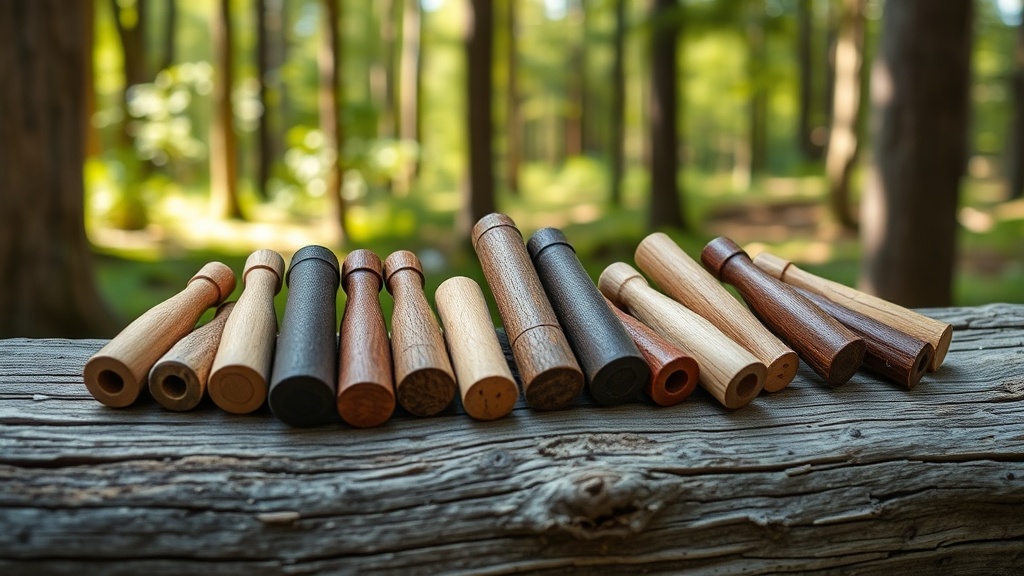
Grunt calls mimic a buck’s vocalization. They’re especially effective during the rut when bucks are cruising for does. Many models come with tone adjustment features.
- Use short grunts when blind calling.
- Pair with rattling to simulate a full scenario.
- Avoid overcalling. Bucks can pick up on unnatural patterns.
Bleat Calls
Bleats mimic does or fawns. Estrus bleats during the rut can bring in bucks looking to breed.
- Fawn bleats may also attract does,and coyotes.
- Can be useful for stopping a moving deer.
Rattling
Rattling simulates two bucks fighting. It triggers curiosity and dominance responses in mature bucks.
- Works best during the pre-rut and peak rut.
- Use real antlers or synthetic rattle bags.
- Keep sessions short (30 seconds to 1 minute), with pauses in between.
Turkey Calls
Turkeys are vocal and rely on sound to find each other. Good calling can make or break a hunt.
Friction Calls
Friction calls include box calls and pot calls (slate or glass). These are easy to learn and offer good volume and tone control.
| Call Type | Best Use | Skill Level |
|---|---|---|
| Box Call | Loud yelps and locating | Beginner |
| Slate/Glass | Soft purrs and clucks | Intermediate |
- Use box calls in windy conditions or open country.
- Keep a striker and surface conditioner handy for slate calls.
Diaphragm Calls
Mouth calls are hands-free, which helps during close encounters.
- They require practice but are the most versatile.
- Perfect for soft clucks when a gobbler is within 50 yards.
Locator Calls
Locator calls get a gobbler to shock-gobble, helping you pinpoint him.
- Owl hoots: early morning or evening.
- Crow calls: mid-morning.
- Don’t overuse locator calls. Once he responds, switch to turkey sounds.
Waterfowl Calls
Calling ducks and geese is more of an art form. Realism and timing matter more than volume.
Duck Calls
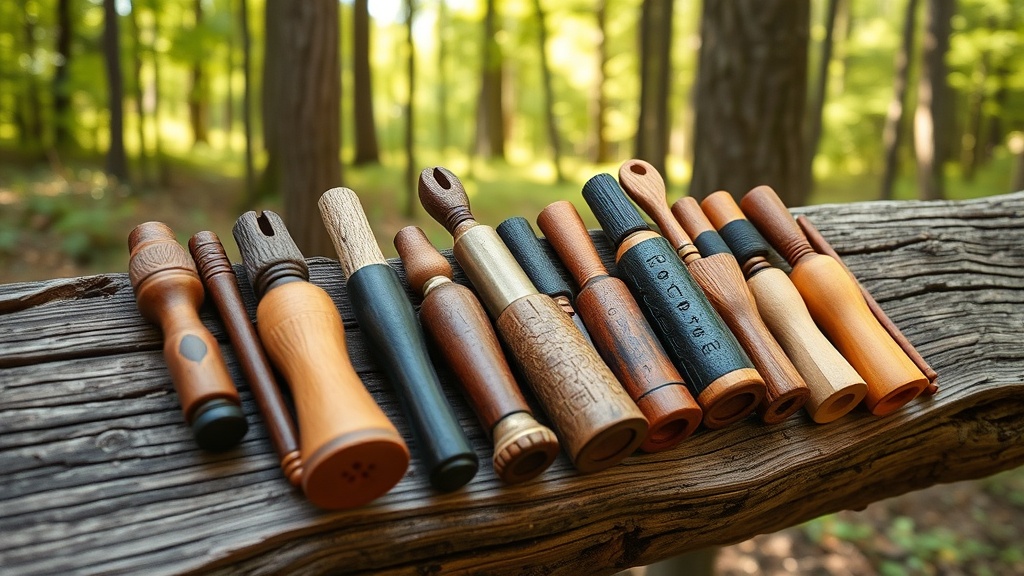
Duck calls imitate quacks, greeting calls, and feeding chatter. Mallards are the most responsive species.
| Material | Pros | Cons |
|---|---|---|
| Acrylic | Loud, crisp | Expensive |
| Polycarbonate | Affordable, durable | Less range |
| Wood | Natural sound | Sensitive to moisture |
- Learn cadence. Ducks don’t call constantly.
- Use feeding calls to finish birds close to decoys.
Goose Calls
Goose calls simulate honks, clucks, and moans. Short-reed calls are the most common.
- Match the call to the species (Canada, specklebelly, snow).
- Practice sequences like “comebacks” and “laydown moans” for finishing birds.
Predator Calls
Calling predators like coyotes, foxes, and bobcats relies on triggering curiosity or hunger.
Electronic Calls
Electronic calls are programmable and remote-controlled. They offer a wide variety of distress sounds and can be placed away from your location.
- Great for solo hunters.
- Use directional speakers to control approach angles.
Always check state laws. Electronic calls are restricted in some areas1.
Hand Calls
Hand-blown calls are simple, affordable, and effective with practice.
- Rabbits and rodents in distress are go-to sounds.
- Coyote howlers can mimic social barks or lone howls.
- Use hand calls to add realism between electronic sequences.
Choosing the Right Call
Your choice should match the animal, terrain, and your own comfort level.
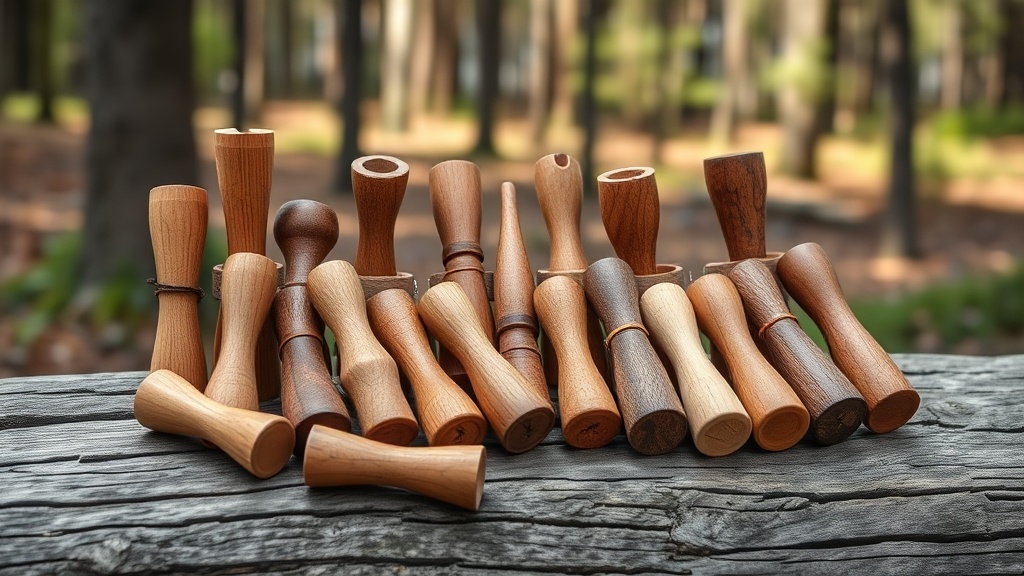 Consider the following:
- Species: Match the call to what you’re hunting.
- Terrain: Dense woods favor softer, close-range calls.
- Weather: Rain and moisture can affect friction calls.
- Skill Level: Start simple. Diaphragm and short-reed calls take time.
- Durability: If you’re hiking in, pack something compact and weatherproof.
Here’s a quick comparison:
| Animal | Beginner-Friendly Call | Best Time to Use |
|---|---|---|
| Whitetail Deer | Bleat or grunt tube | Pre-rut to rut |
| Turkey | Box or slate call | Spring mornings |
| Ducks | Poly duck call | Early morning over decoys |
| Coyotes | Electronic call | Dusk and dawn |
Practice and Ethics Matter
No call will work unless you know how to use it. Animals respond to rhythm, not just sound. Listen to the real thing, mimic it, and practice before the season starts.
Avoid overcalling. Too much sound, or the wrong sound at the wrong time, can scare game away.
Check your state’s rules before using any call. Some species have calling restrictions, especially predators or during certain seasons. Review regulations for your state.
Related Guides
- Turkey hunting guide – calling tactics, season timing, and setup strategies for spring and fall
- Elk hunting guide – bugling, cow calling, and when to use calls in western elk country
- Waterfowl hunting guide – duck and goose calling techniques paired with decoy spreads
- All gear reviews – browse more equipment guides for optics, boots, packs, and rifles
Tip: Keep your calls dry and clean. Store friction calls with a rubber band around the lid or striker to prevent noise while walking.
Explore Related Topics:
Notice an update we should make?
We strive for accuracy. Contact us here if you see incorrect or outdated info on this page.