Good hunting boots are essential. They protect your feet, keep you comfortable, and allow you to cover miles of tough terrain. The right boots make a hunt enjoyable. The wrong ones can end it early with blisters and pain.
Choosing the best hunting boots depends on several factors. Consider where you hunt, the weather, and how active you will be. This guide covers what you need to know.
Best for hunting:Elk, White-tailed Deer
Why Quality Hunting Boots Matter
Your feet are your foundation when hunting. They take a beating from long walks, uneven ground, and harsh conditions. Quality boots offer:
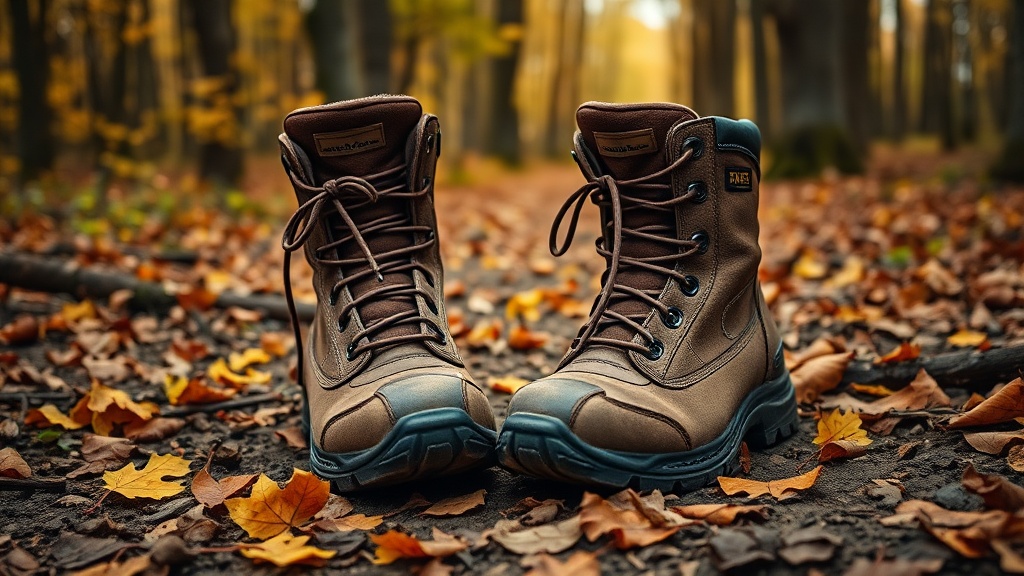
- Protection: Guard against sharp rocks, thorns, snakes, and cold.
- Comfort: Reduce fatigue and prevent blisters, allowing longer hunts.
- Support: Prevent ankle rolls and provide stability on difficult terrain.
- Stealth: Proper fit and tread can help you move quietly.
- Durability: Withstand tough use season after season.
Key Features of Hunting Boots
Waterproofing
Most hunting boots should be waterproof. You’ll face wet grass, rain, snow, and creek crossings. Wet feet get cold fast and are more prone to blisters.
Look for boots with waterproof membranes like Gore-Tex. These block outside moisture while allowing sweat to escape. Avoid boots labeled only “water-resistant” unless you hunt in dry areas.
Insulation
Insulation matters in cold weather. It’s measured in grams. More grams mean more warmth.
| Insulation Level | Best For |
|---|---|
| 200–400 grams | Early season, mild weather |
| 600–800 grams | Cool weather, limited movement |
| 1000+ grams | Freezing temps, treestand sits |
No insulation is best for hot climates or active hunts where you’ll sweat.
Boot Height
Boot height affects ankle support and environmental protection.
- 6" or lower: Good for flat, dry terrain. Light ankle support.
- 8–10": Versatile. Works for most hunting conditions.
- 12" or taller: Ideal for swamps, snow, or snake country.
Material
Each material has pros and cons.
- Full-grain leather: Long-lasting, supportive, molds to your foot. Needs break-in and care.
- Synthetic blends: Lightweight, breathable, quicker to break in. May wear faster.
- Rubber: Fully waterproof, great for scent control. Not breathable. Common in feral hog hunting or swampy areas.
Tread and Outsole
Tread determines your grip.
- Deep lugs: Great for mud, snow, and steep ground.
- Shallow lugs: Better for flat terrain but less grip.
- Softer rubber: Grippier but wears out faster.
- Harder rubber: Lasts longer but may slip on wet rock.
Match your tread to the ground you hunt most.
Types of Hunting Boots
Upland Boots
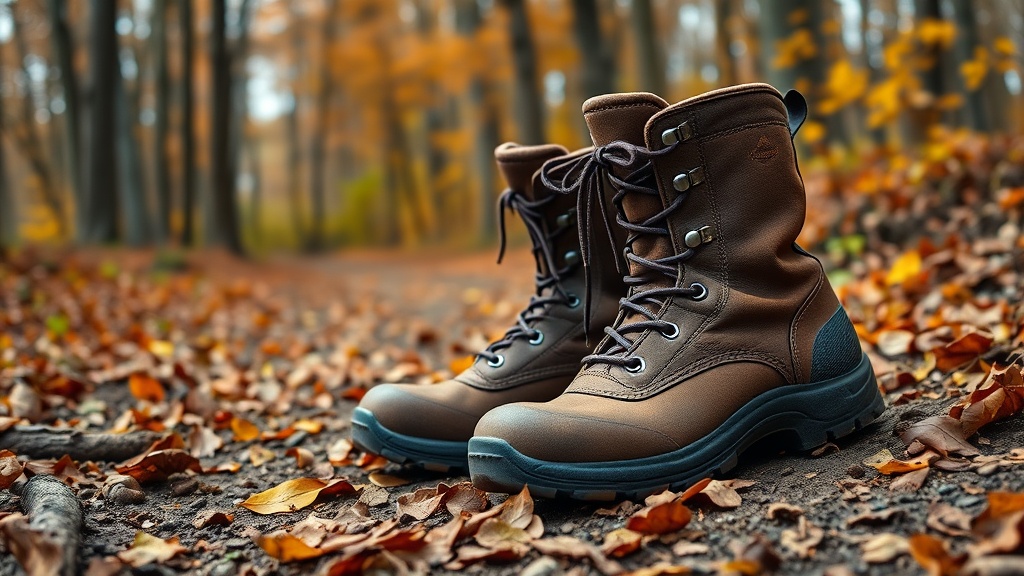 Lightweight, breathable, and built for walking. Best for upland birds in dry fields or rolling hills.
Treestand Boots
Heavy on insulation and comfort. Often rubberized. You’re not hiking far, so weight matters less. These boots keep you warm and quiet.
Mountain Boots
Designed for rough elevation, sharp rocks, and long days. Built stiff for ankle support and edging. Common for elk hunters in the Rockies.
Rubber Boots
Completely waterproof and scent-free. A smart choice for whitetail hunters walking into wet woods. Limited support on uneven ground.
Snake Boots
Extra tall. Made to stop bites from pit vipers and other venomous snakes. Necessary in places like the Southeast or Texas1.
Fitting Your Hunting Boots
Bad fit ruins good boots. Follow these steps:
- Try boots on at the end of the day. Feet swell throughout the day.
- Wear the socks you hunt in. Fit will change with different thicknesses.
- Walk on a slope if possible. Your heel should not slide.
- Break them in slowly. Especially leather models. Wear them on short hikes first.
- Use quality insoles if needed. Aftermarket insoles improve comfort and arch support.
Care and Maintenance
Take care of your boots, and they’ll take care of you.
- Clean them after use. Mud shortens the life of leather and rubber.
- Dry them gently. Avoid direct heat. Use newspaper or boot dryers.
- Store in a cool, dry place. Don’t leave them in a hot truck.
- Condition leather. Prevents cracking and stiffness over time.
Quick Comparison: Boot Types
| Boot Type | Best For | Drawbacks |
|---|---|---|
| Upland | Long walks, warm climates | Not warm or waterproof |
| Treestand | Cold weather, stationary hunting | Heavy, less mobile |
| Mountain | Steep, rugged terrain | Expensive, long break-in |
| Rubber | Wet, muddy, scent-control scenarios | Poor breathability |
| Snake | Southern hunting in snake territory | Less comfort in hot weather |
Final Tip
Don’t wear brand-new boots on your first hunt of the season. Break them in well ahead of time. You can also check our first-time hunter checklist to make sure your gear is dialed in.
If you’re hunting on public or walk-in lands this season, make sure your boots match the terrain. Tall, waterproof, and supportive boots make a difference when crossing creeks or trudging through brush.
Related Guides
- All gear reviews – browse more equipment guides for rifles, packs, calls, and optics
- Hunt packing list – make sure your boots, socks, and blister kit are on the checklist
- Gear maintenance guide – cleaning, conditioning, and storing your boots so they last for seasons
Explore Related Topics:
Notice an update we should make?
We strive for accuracy. Contact us here if you see incorrect or outdated info on this page.