Wyoming is a top-tier destination for deer hunting in the American West. White-tailed deer, which typically weigh 150–300 lbs (bucks), 90–200 lbs (does), occupy the river bottoms and eastern plains, while mule deer are the primary species across most of the state. The state’s vast open landscapes, low human population, and strong wildlife management tradition produce quality deer hunting across terrain that ranges from the towering Bighorn Mountains and Wind River Range to the sagebrush basins and high plains of the interior. The Wyoming Game and Fish Department (WGFD) manages deer herds through a hunt-area system with both general and limited-quota licenses designed to sustain healthy populations.
| Season Type | Opens | Closes | Notes |
|---|---|---|---|
| Archery | September 1, 2025 | September 30, 2025 | Archery whitetail season. Limited areas in northeastern Wyoming. |
| General Rifle | October 1, 2025 | November 30, 2025 | Whitetail deer general season. Specific hunt areas in the northeast. Does and fawns may be included. |
Mule deer are the primary species throughout most of Wyoming, inhabiting sagebrush flats, mountain foothills, river breaks, and aspen draws across the state. White-tailed deer occupy the river bottoms and eastern plains, particularly along the North Platte, Bighorn, and Tongue river corridors and in the irrigated farmland of the eastern tier. Many hunt areas hold both species, and it is common to encounter whitetail while pursuing mule deer along drainages and creek bottoms. Casper, Cody, and Sheridan are popular base camps for hunts across Wyoming’s varied regions.
Always verify current season dates, bag limits, and area-specific regulations through the official WGFD resources before planning your trip. Rules can change annually and differ between hunt areas.
Season Overview
Wyoming’s deer season generally runs from September through November, with weapon-specific segments. Archery season typically opens in early September and continues into October, overlapping with the early general season in some areas. The general rifle season usually begins in mid-October and runs through late November, though dates vary by hunt area and region. Some areas offer an extended archery-only season or late-season doe opportunities.
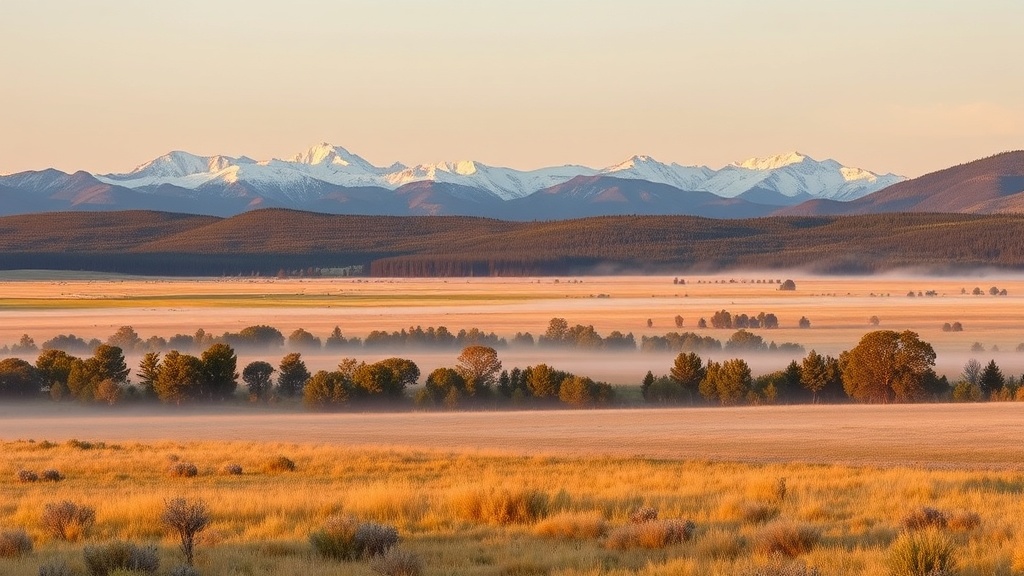 Wyoming divides the state into hunt areas, and season dates can differ between areas. Some areas are general-license territory where tags are available over the counter (residents) or through a first-come allocation, while others are limited-quota and require a drawing. Understanding the hunt-area system is essential for planning a Wyoming deer hunt.
For full season details, visit the Wyoming hunting seasons page.
Licensing and Tags
Wyoming’s deer licensing system uses a combination of general licenses and limited-quota draws. Resident general deer licenses are available for purchase and are valid in designated general hunt areas. Nonresident deer tags are more limited and are allocated through a draw, with a set percentage of tags in each hunt area reserved for nonresidents. Residents can expect to pay $30.00 for a resident hunting license, while nonresidents should budget for the higher $175.00 nonresident fee.
The preference point system is a critical consideration for nonresident hunters. Unsuccessful applicants accumulate preference points, and higher point totals improve drawing odds in subsequent years. Some of Wyoming’s best mule deer areas may require several years of point-building for nonresidents to draw. A special-draw process also exists for limited-quota areas with extremely high demand.
All hunters need a valid conservation stamp in addition to their deer license. Youth hunters and disabled veterans may qualify for reduced-fee or preference in certain drawings.
For a complete breakdown of license types, draw procedures, preference points, and how to apply, see the Wyoming hunting license guide.
Regulations Highlights
Wyoming deer hunting regulations are organized by hunt area, and rules vary between areas. Key regulations include:
 <strong>Season limit:</strong> 1
- Bag limits: Each license allows one deer. Species restrictions (mule deer, whitetail, or either) and sex restrictions (buck only or either sex) are specified by hunt area and license type.
- Antler definitions: Wyoming defines a legal buck as a deer with a visible antler. Some areas have more specific antler requirements. Know the definition for your area.
- Legal weapons: Rifles, shotguns, muzzleloaders, handguns, and archery equipment are legal during their respective seasons. Minimum caliber and energy requirements apply for firearms. Crossbow regulations are specific to the archery season.
- Tagging and reporting: All harvested deer must be tagged immediately. Mandatory check stations operate in some areas, and all hunters must complete a harvest report.
- CWD management: Wyoming has active CWD surveillance areas with mandatory sampling and carcass transport restrictions. Check whether your hunt area falls within a CWD zone.
Review the full set of rules on the Wyoming hunting regulations page.
Where to Hunt
Wyoming’s public land base is exceptional for deer hunting. Roughly half the state is publicly owned, with massive tracts of BLM land, national forests, and state trust lands available to hunters. Key areas include:
- Bighorn National Forest – The Bighorn Mountains in north-central Wyoming hold strong mule deer populations in timbered slopes, alpine meadows, and mountain parks. Whitetail are found in the lower creek drainages and foothills. Access is excellent via forest roads.
- Bridger-Teton National Forest – Stretching along the western edge of the state, this forest provides high-elevation mule deer hunting in some of Wyoming’s most scenic country. Backcountry access is required for many of the best areas.
- Thunder Basin National Grassland – On the eastern plains, this grassland holds mule deer in the sagebrush draws and creek breaks, along with whitetail in the cottonwood bottoms. The open terrain allows long-range glassing.
- BLM lands in the Red Desert and Bighorn Basin – Vast stretches of BLM sagebrush in central and northern Wyoming provide walk-in mule deer hunting with minimal competition. The Red Desert south of Lander is particularly productive.
- Wyoming Walk-In Areas – The state’s Access Yes program provides walk-in hunting access to enrolled private lands, significantly expanding opportunities in otherwise inaccessible areas.
For more on public and private land access, visit the Wyoming hunting land page.
Tactics and Strategies
Wyoming’s open landscape favors the hunter who is willing to glass patiently and move carefully. Mule deer hunting in the sagebrush basins and mountain foothills is classic spot-and-stalk country. Set up on ridges, mesa edges, or rocky outcroppings at first light and methodically glass slopes, draws, and creek bottoms with binoculars and a spotting scope. Wyoming’s big country can hold bucks in unexpected places, so be thorough.
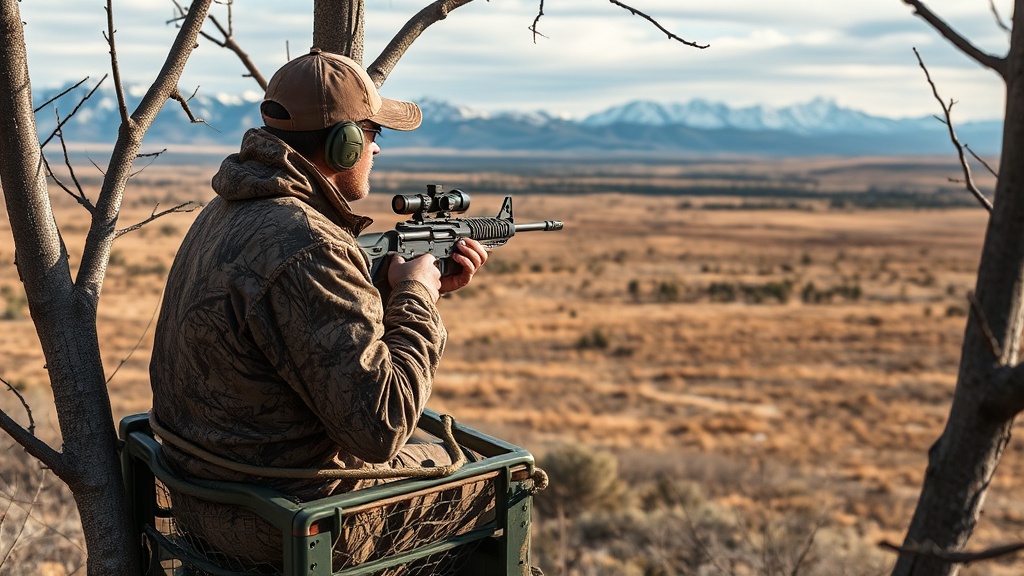 Once you locate a buck worth pursuing, plan a stalk that keeps the wind in your favor and uses terrain to stay out of sight. Sagebrush flats can be deceptively open, so use dry washes, rock outcrops, and rolling terrain features to close the distance. Be prepared for long shots in the wide-open basins, but always close to a range you are confident in.
For whitetail along the river corridors, stand hunting over travel routes between bedding and feeding areas is effective. Cottonwood groves, creek crossings, and irrigated hayfield edges produce consistent whitetail movement. During the November rut, whitetail bucks become more visible and responsive to rattling and calling.
In the mountain units, expect steep country and variable weather. Mule deer use the transition zone between timber and open parks, and early-morning glassing sessions from high points are the foundation of mountain hunting. Be prepared to hike significant distances and pack meat across rugged terrain.
Gear Considerations
Wyoming’s high elevation, wind, and temperature extremes demand serious gear preparation. Temperatures can range from the 60s during early archery season to well below zero during late rifle season, often with sustained high winds that amplify the cold. Windproof outer layers are as important as insulation.
Key gear for Wyoming deer hunting includes:
- A flat-shooting rifle in calibers such as .270, 6.5 Creedmoor, .308, or .300 Win Mag, capable of accurate shots in windy conditions across open terrain
- High-quality optics, including 10x42 binoculars and a spotting scope rated for extended glassing sessions
- Sturdy, insulated hunting boots built for rocky terrain and cold temperatures
- Windproof and insulated hunting clothing in layers, with a hard-shell outer layer for wind and snow
- A reliable hunting backpack for day trips or multi-day backcountry hunts, capable of hauling meat
For detailed gear recommendations, visit the gear hub and the top hunting backpacks guide.
Plan Your Hunt
Wyoming deer hunting rewards hunters who put in the work before the season. Understanding the hunt-area system, building preference points, scouting remotely with maps and satellite imagery, and arriving in good physical shape all contribute to success. These resources will help:
- Whitetail Deer Hunting Guide – biology, behavior, and general strategies
- Wyoming Location Hub – overview of hunting in the Cowboy State
- Scouting Basics – how to read sign and pattern deer
- First-Time Hunter Checklist – everything you need before your first hunt
Explore Related Topics:
Notice an update we should make?
We strive for accuracy. Contact us here if you see incorrect or outdated info on this page.