Wisconsin is a cornerstone of American whitetail deer hunting culture. Mature bucks in the state typically weigh 150–300 lbs (bucks), 90–200 lbs (does), and the southwestern agricultural counties consistently produce the largest-bodied deer. The state’s nine-day gun deer season is one of the most anticipated events on the national hunting calendar, with hundreds of thousands of hunters taking to the woods each November. The Wisconsin Department of Natural Resources (WDNR) oversees a deer management program that balances herd health, habitat conditions, and hunter opportunity across the state’s diverse landscape of northern forests, central farmland, river bottoms, and Great Lakes marshes.
| Season Type | Opens | Closes | Notes |
|---|---|---|---|
| Archery | September 13, 2025 | January 4, 2026 | Archery and crossbow season. Bows and crossbows permitted. Runs before, during, and after gun season. |
| General Gun | November 22, 2025 | November 30, 2025 | Wisconsin's famous 9-day gun deer season. A major cultural tradition. All legal firearms permitted. |
| Muzzleloader | December 1, 2025 | December 10, 2025 | Muzzleloader-only season. Follows the 9-day gun season. |
| Youth Gun | October 11, 2025 | October 12, 2025 | Youth gun deer hunt. Hunters 10-17 years old with licensed adult mentor. |
| Antlerless Only | December 11, 2025 | December 14, 2025 | Antlerless-only holiday hunt. Open in designated farmland deer management units. |
| Statewide Antlerless | October 16, 2025 | October 19, 2025 | Four-day antlerless-only gun hunt in farmland zones. |
For hunters based near Madison, Milwaukee, or Green Bay, prime whitetail habitat is never far away. Wisconsin consistently produces mature bucks, particularly in the southwestern portion of the state where fertile agricultural soils grow both crops and big deer. The state’s extensive public land system, including county forests that are unique to Wisconsin, provides outstanding access for hunters who are willing to do their homework and scout before the season.
Whitetail deer are the only deer species found in Wisconsin. Chronic Wasting Disease (CWD) management is a significant part of the state’s deer program, and hunters should be aware of CWD-affected zones and the associated regulations that may apply to their hunt area. Always confirm current rules with the WDNR before your hunt.
Season Overview
Wisconsin offers a structured deer season with multiple segments. Archery and crossbow season typically opens in mid-September and runs through early January, making it the longest available season for deer hunters. The youth deer hunt occurs in mid-October, giving younger hunters a chance at the field before the general gun season.
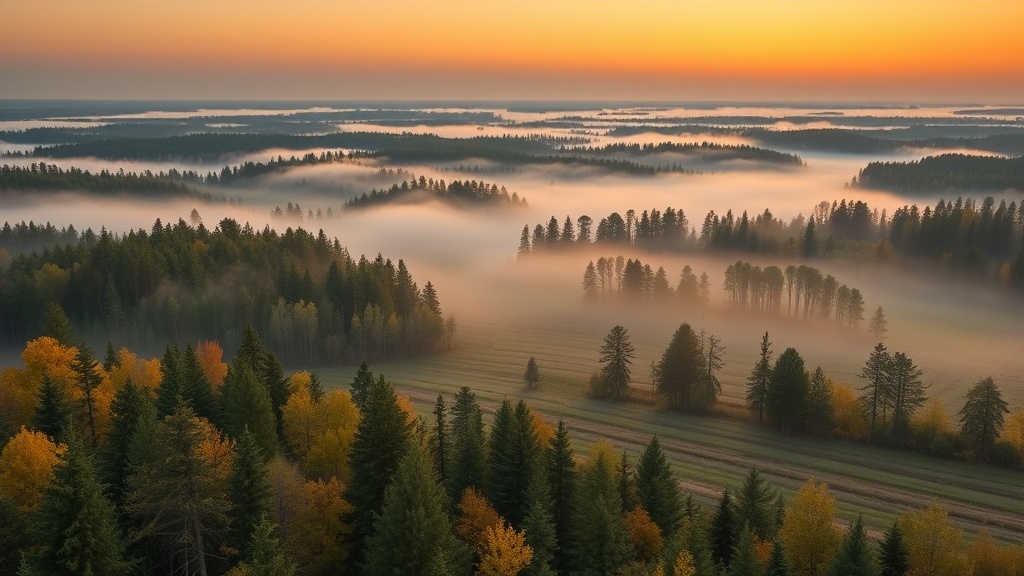 The traditional nine-day gun deer season opens on the Saturday before Thanksgiving and is the centerpiece of Wisconsin’s deer hunting tradition. Following the gun season, a muzzleloader-only period runs for roughly ten days in late November and early December. An antlerless-only holiday hunt in December may be available in certain units to help manage herd numbers.
Season structures and available tags can vary by Deer Management Zone (DMZ), so it is important to know which zone covers your hunting area. Check the Wisconsin hunting seasons page for current details.
Licensing and Tags
Wisconsin requires hunters to hold a gun deer, archery, or crossbow license depending on the weapon they plan to use. Each license type comes with one antlered deer tag, and additional antlerless tags may be available depending on the DMZ. In zones where the WDNR aims to reduce deer numbers, bonus antlerless tags are often available over the counter. Residents can expect to pay for a resident hunting license, while nonresidents should budget for the higher nonresident fee.
Nonresidents may purchase the same license types, with higher fee structures. Wisconsin offers a learn-to-hunt mentored program for new hunters and youth who have not yet completed hunter education. Hunters should confirm whether their chosen unit is in an Earn-A-Buck zone or has other special tag requirements.
For full license options and purchasing details, visit the Wisconsin hunting license guide.
Regulations Highlights
Wisconsin’s deer regulations are organized by Deer Management Zone, and rules can differ substantially between zones. Key considerations include antler point restrictions that apply in some areas, requiring bucks to have a minimum number of points to be legal during the gun season. Crossbow regulations have been expanded in recent years, and crossbow hunters should verify they hold the correct license.
 <strong>Season limit:</strong> 4
CWD management is a major regulatory factor. In CWD-affected zones, there are mandatory testing and sampling requirements, restrictions on carcass transport (whole carcasses generally cannot be moved out of CWD zones without being processed first), and baiting and feeding bans. These regulations are strictly enforced and can carry significant penalties.
<strong>Season limit:</strong> 4
CWD management is a major regulatory factor. In CWD-affected zones, there are mandatory testing and sampling requirements, restrictions on carcass transport (whole carcasses generally cannot be moved out of CWD zones without being processed first), and baiting and feeding bans. These regulations are strictly enforced and can carry significant penalties.
All deer must be registered through the WDNR’s GameReg system, either online, by phone, or at a registration station, by a specified deadline after harvest. Blaze orange or fluorescent pink covering a minimum amount of outer clothing is required during gun deer season.
Read the complete set of rules on the Wisconsin hunting regulations page.
Where to Hunt
Wisconsin offers approximately 1.5 million acres of county forest land in addition to state forests, state wildlife areas, and federal land. Here are top public areas for whitetail deer:
Chequamegon-Nicolet National Forest – Spanning over 1.5 million acres across northern Wisconsin, this forest features a mix of hardwoods, conifers, and openings. Deer densities are moderate, but hunting pressure is dispersed across the vast landscape.
Black River State Forest – In central Wisconsin, this 68,000-acre forest combines sand flats, marshes, and upland timber. It is a solid option for hunters looking for walk-in access and varied terrain.
Buena Vista Wildlife Area – Located in Portage County, this grassland and marsh complex produces good deer numbers in the surrounding agricultural zone. It is particularly productive for hunters who focus on edges between cover types.
Lower Wisconsin State Riverway – The river corridor from Sauk City to Prairie du Chien runs through some of the best deer country in the state. The bluffs, bottoms, and oak ridges of the Driftless Area are known for trophy-class bucks.
Meadow Valley/Sandhill Wildlife Areas – These central Wisconsin properties combine large blocks of public land with wetland and upland habitat that holds deer throughout the season.
For more information on accessing public and private hunting land, visit the Wisconsin land access guide.
Tactics and Strategies
Wisconsin’s deer hunting tactics are shaped by the state’s distinct regions. In the agricultural south and southwest, hunting over crop fields, especially standing corn and cut soybean or alfalfa fields, is highly productive. Treestand placement along travel corridors between bedding cover and food sources is the dominant approach. The Driftless Area’s steep ridges and coulees create natural funnels that concentrate deer movement and offer excellent stand sites.
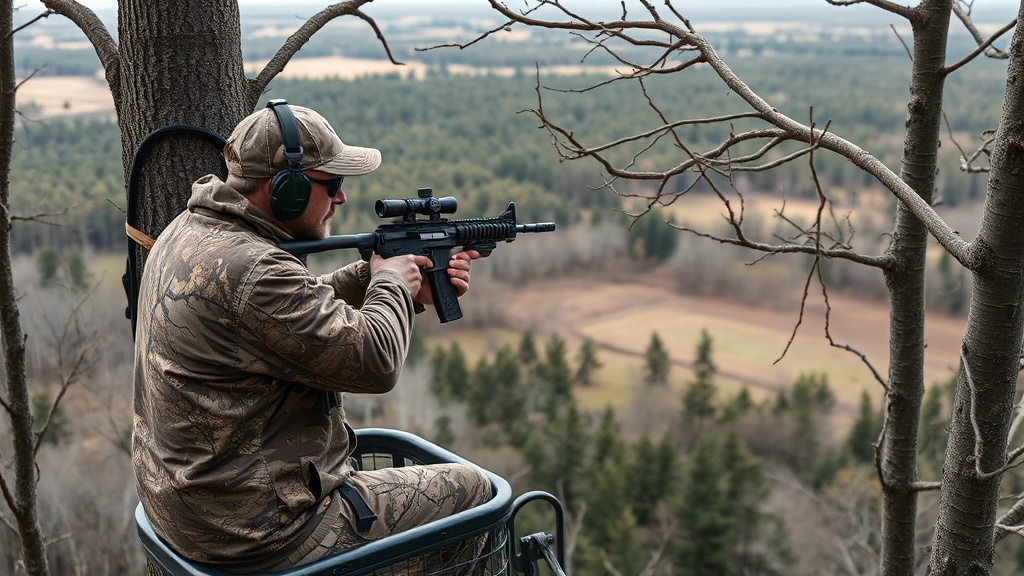 In central and northern Wisconsin, deer relate more to forest cover, clear-cuts, and natural browse than to row crops. Hunting near oak stands during good acorn years, along logging roads, and on the edges of clear-cuts or young forest regeneration areas can be very effective. Still-hunting through timber on fresh snow is a time-honored northern Wisconsin tactic during the gun season.
The rut typically peaks in early to mid-November in Wisconsin, coinciding with the late archery season and the buildup to gun season. Rattling, grunting, and hunting scrape lines are all productive during this window. Many experienced hunters specifically target the days just before the gun opener, when mature bucks are still on their feet and relatively unpressured.
Gear Considerations
Wisconsin’s deer season stretches from the warmth of September archery through the bitter cold of the late December and January hunts. Layering systems are essential, and late-season hunters should prepare for temperatures well below zero with wind chill. Quality insulated boots and heated insoles can make the difference between staying on stand and being forced out early.
For the gun season, a reliable deer hunting rifle in .30-06, .308, .270, or a similar mid-range cartridge is well suited to Wisconsin terrain, where shots typically range from close in timber to 200 yards across fields. Shotgun-only zones exist in some southern counties, so check regulations before choosing your firearm.
Blaze orange clothing is mandatory during the gun season, and most experienced hunters also wear it during muzzleloader season for safety. A quality pair of binoculars, a comfortable treestand or ground blind, grunt calls for the rut, and a dependable field-dressing kit round out the essential gear list.
Visit the gear reviews section for detailed recommendations.
Plan Your Hunt
Wisconsin delivers a deeply traditional and productive whitetail hunting experience. Start your planning with these resources:
- Whitetail Deer Hunting Guide – Biology, behavior, and hunting fundamentals
- Wisconsin Location Hub – Statewide hunting opportunities
- Scouting Basics – Pre-season preparation and sign reading
- First-Time Hunter Checklist – Gear and preparation essentials
Explore Related Topics:
Notice an update we should make?
We strive for accuracy. Contact us here if you see incorrect or outdated info on this page.