Virginia provides whitetail deer hunting across a remarkably diverse landscape. Mature bucks in the state typically weigh 150–300 lbs (bucks), 90–200 lbs (does), with body size varying by region and habitat quality. The state stretches from the peaks of the Blue Ridge Mountains and the fertile Shenandoah Valley through the rolling Piedmont region and out to the Tidewater Coastal Plain along the Chesapeake Bay. Each region supports healthy whitetail populations with distinct habitat characteristics, making Virginia a versatile destination for deer hunters of every style and preference.
| Season Type | Opens | Closes | Notes |
|---|---|---|---|
| Archery | October 4, 2025 | November 14, 2025 | Early archery season east of the Blue Ridge. Bows and crossbows permitted. Either sex in many counties. |
| Archery | September 6, 2025 | November 14, 2025 | Early archery season west of the Blue Ridge. Longer season in western counties. |
| General Firearms | November 15, 2025 | November 29, 2025 | General firearms deer season. Rifle, shotgun, muzzleloader, handgun, archery all permitted. Either sex days vary by county. |
| Late Firearms | December 1, 2025 | January 3, 2026 | Late firearms deer season. Antlerless deer only in some areas. Check county-specific regulations. |
| Early Muzzleloader | November 1, 2025 | November 14, 2025 | Early muzzleloader season. Muzzleloading firearms only. |
| Late Muzzleloader | December 13, 2025 | January 3, 2026 | Late muzzleloader season in select counties. Some overlap with late firearms. |
| Youth | September 27, 2025 | September 28, 2025 | Youth and apprentice deer hunting weekend. Hunters under 16 with licensed adult. |
The Virginia Department of Wildlife Resources (VDWR) manages the state’s deer herd through a combination of season structures, antler restrictions, and population management programs. Virginia’s earn-a-buck program, which requires the harvest of an antlerless deer before an antlered deer in certain counties, is one of the state’s most notable management tools for controlling deer populations in high-density areas. The state’s extensive national forest system and network of Wildlife Management Areas provide substantial public hunting access, particularly in the western mountains.
Always verify current season dates, bag limits, and legal requirements through the official VDWR regulations before heading afield. Rules can change from year to year and often vary by county and management area.
Season Overview
Virginia offers a multi-segment deer season that spans from early fall through late winter. Archery season typically opens in early October and runs through mid-November, then reopens after firearms season and continues into early January. Early muzzleloader season generally runs for about two weeks in early November. The general firearms season usually opens in mid-November and extends through early January, with the exact dates varying between east and west of the Blue Ridge.
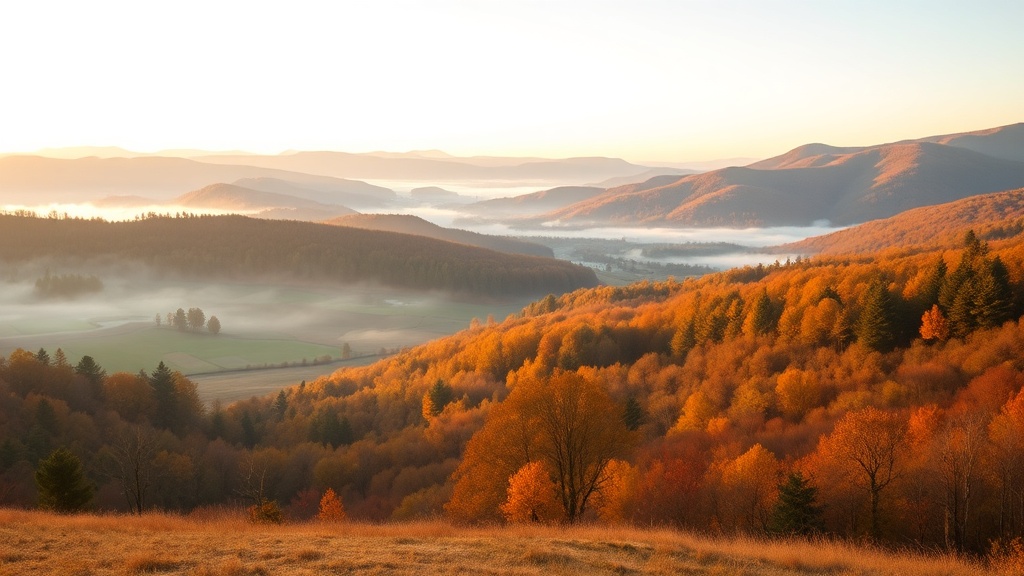 Youth and apprentice deer hunting weekends provide early opportunities before the general firearms opener. The late archery and muzzleloader seasons extend the hunting window well into winter. Virginia’s season structure varies between the eastern and western portions of the state, so hunters should confirm which dates apply to their hunting area.
For full season details, visit the Virginia hunting seasons page.
Licensing and Tags
To hunt deer in Virginia, you need a valid Virginia hunting license. Residents purchase a resident hunting license, while nonresidents need a nonresident hunting license. Deer hunters must also obtain a deer tag or have a license type that includes deer privileges. Archery, muzzleloader, and firearms hunting may require separate stamps or privileges depending on the license type. Residents can expect to pay $23.00 for a resident hunting license, while nonresidents should budget for the higher $110.00 nonresident fee.
Virginia offers a bonus antlerless deer permit system that allows hunters to harvest additional antlerless deer in counties where deer populations are above management objectives. An Antlerless Deer Authorization may also be required in earn-a-buck counties. Virginia residents who own property that meets specific acreage thresholds may qualify for landowner licenses.
For a complete breakdown of license types and how to purchase them, see the Virginia hunting license guide.
Regulations Highlights
Virginia deer hunting regulations vary by county and by whether you are hunting east or west of the Blue Ridge. Key rules to be aware of include:
 <strong>Season limit:</strong> 3
- Bag limits: Virginia allows a generous deer harvest in many counties, with separate limits for antlered and antlerless deer that vary by location. Some counties allow multiple antlerless deer, while others restrict the antlerless harvest.
- Earn-a-buck: In select counties with high deer densities, hunters must harvest an antlerless deer before they are allowed to take an antlered deer. Check whether your hunting county is included in this program.
- Antler restrictions: Virginia has antler point restrictions in certain counties, typically requiring bucks to have a minimum number of antler points on one side.
- Legal weapons: Rifles, shotguns, handguns, muzzleloaders, and archery equipment (including crossbows) are legal during their respective seasons. Some counties restrict the use of rifles and only allow shotguns and other short-range weapons.
- Checking deer: All harvested deer must be checked through Virginia’s electronic game check system by midnight on the day of harvest.
- Sunday hunting: Virginia allows Sunday hunting on private land and some public lands, but restrictions may apply. Confirm Sunday hunting rules for your specific area.
Review the full set of rules on the Virginia hunting regulations page.
Where to Hunt
Virginia has an extensive public land system, including national forests, WMAs, and state forests. Key areas for deer include:
- George Washington and Jefferson National Forests – Covering over 1.7 million acres across the western mountains, these national forests offer the largest block of public deer hunting land in Virginia. Terrain ranges from mountain ridgetops to sheltered valleys, with deer concentrated along benches, saddles, and creek bottoms.
- Goshen Wildlife Management Area – Located in the Alleghany Highlands, Goshen WMA provides quality whitetail hunting in a mix of hardwood forest and mountain terrain.
- Quantico Marine Corps Base – Select portions of the base near Quantico open to civilian hunting through managed hunts, providing low-pressure access in a suburban landscape with high deer densities.
- Big Survey Wildlife Management Area – In southwestern Virginia, Big Survey offers rugged mountain hunting in a remote setting with good deer populations.
- Chickahominy WMA – In the Tidewater region east of Richmond, Chickahominy WMA provides deer hunting in a coastal plain habitat of swamp timber and mixed hardwoods.
Public land hunting in Virginia is generally open access on national forest land, while some WMA hunts may require special permits or be managed through a draw system. Learn more about access options on the Virginia hunting land page.
Tactics and Strategies
Deer hunting tactics in Virginia shift with the terrain. In the Blue Ridge Mountains and Shenandoah Valley of the western region, treestand hunting along ridgeline saddles, bench flats, and creek crossings is the standard approach. Mountain whitetails follow predictable terrain features as they move between bedding areas on upper slopes and feeding areas in hollows or agricultural valleys. Hunting these natural travel corridors is consistently productive, especially during the rut.
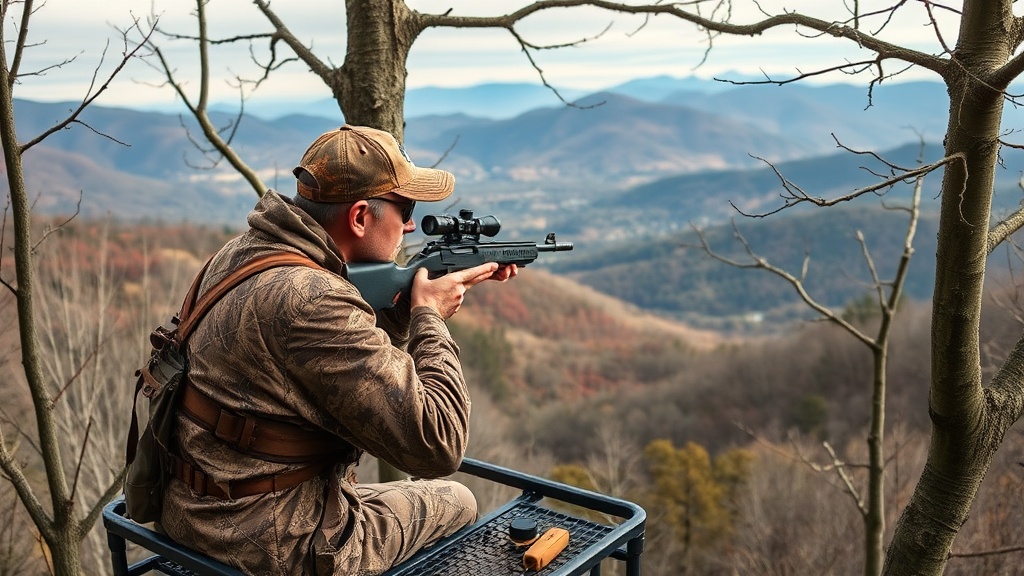 In the Piedmont, the landscape opens up into a mix of agricultural fields, woodlots, and creek bottoms. Field-edge hunting from treestands or ground blinds is effective, particularly near food sources such as soybeans, corn, or planted food plots. The Piedmont’s rolling terrain creates subtle funnels and travel corridors between timber blocks that deer use heavily during the rut.
The Tidewater and Coastal Plain regions present a different challenge. Thick swamp timber, pine plantations, and agricultural flats define the landscape. Deer densities are often high, and stand hunting near field edges, hardwood drains, and oak flats is the most common approach. Dog hunting is also permitted in certain eastern Virginia counties and is a deeply rooted regional tradition.
Scouting food sources, rub lines, scrapes, and travel corridors before the season is essential. Trail cameras are widely used to identify deer movement patterns and assess buck quality.
Gear Considerations
Virginia’s deer season stretches from early October through January, covering a wide range of weather conditions. Early archery hunts can be warm and humid, while late-season hunts in the mountains may bring snow, ice, and bitter cold. Layered clothing is essential for adapting to the state’s variable conditions.
Key gear for Virginia deer hunting includes:
- A reliable rifle in popular calibers such as .308, .30-06, or 6.5 Creedmoor for firearms season, or a compound bow or crossbow for the long archery window. In rifle-restricted counties, a shotgun with slugs is required.
- Layered clothing to handle temperatures ranging from warm early-fall days to freezing mountain conditions
- Durable hunting boots suited to rocky mountain terrain, muddy Piedmont creek bottoms, or wet Coastal Plain swamps
- Binoculars for glassing agricultural fields, mountain ridges, or open timber
- A quality treestand and safety harness for timber hunting
- A sharp field-dressing kit and game bags for meat care
For detailed gear recommendations, visit the gear hub and the best deer hunting rifles guide.
Plan Your Hunt
Virginia deer hunting rewards familiarity with the specific region you plan to hunt. Each part of the state presents different terrain, deer behavior, and regulations. Scout early, understand your county’s specific rules, and pay close attention to earn-a-buck requirements if applicable. These resources will help you put a hunt together:
- Whitetail Deer Hunting Guide – biology, behavior, and general strategies
- Virginia Location Hub – overview of hunting in the Old Dominion
- Scouting Basics – how to read sign and pattern deer
- First-Time Hunter Checklist – everything you need before your first hunt
Explore Related Topics:
Notice an update we should make?
We strive for accuracy. Contact us here if you see incorrect or outdated info on this page.