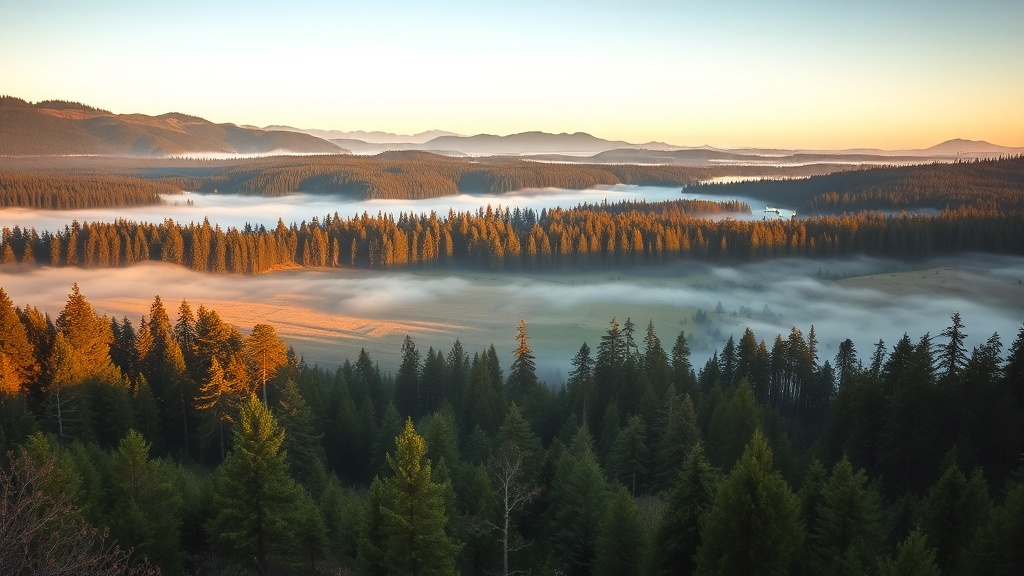
Oregon delivers a remarkably diverse deer hunting experience, with three distinct deer species spread across dramatically different landscapes. While whitetail deer in other regions typically weigh 150–300 lbs (bucks), 90–200 lbs (does), Oregon’s primary deer species are mule deer and Columbian black-tailed deer, with a small whitetail population in the northeast. The Cascade Range divides the state into two hunting worlds: west of the Cascades, Columbian black-tailed deer inhabit the dense rainforests, clear-cuts, and brushy coastal mountains, while east of the Cascades, mule deer roam the high desert, juniper woodlands, and open sagebrush basins. A small population of white-tailed deer also occupies the northeastern corner of the state along river corridors. The Oregon Department of Fish and Wildlife (ODFW) manages these populations through a unit-based system of general and controlled hunts.
| Season Type | Opens | Closes | Notes |
|---|---|---|---|
| General Rifle | October 11, 2025 | November 7, 2025 | Limited to northeastern Oregon units where whitetail are present. Controlled hunt tags required. |
Mule deer are the primary big-game species across most of eastern Oregon, with some of the state’s largest bucks coming from the high-desert units south and east of Bend. Black-tailed deer provide excellent hunting opportunities in the western valleys and Coast Range, where thick vegetation rewards patient still-hunters. Portland, Bend, and Medford serve as major jumping-off points for deer hunts across the state’s varied regions.
Always verify current season dates, bag limits, and unit-specific regulations through the official ODFW resources before heading afield. Rules change year to year and vary by unit and weapon type.
Season Overview
Oregon’s deer season is structured around weapon type and unit designation. Archery season typically opens in late August or early September, providing several weeks of hunting before the rifle seasons begin. General rifle seasons usually run in October and November, though exact dates vary by unit and management zone. Muzzleloader seasons are available in select units, and youth-only opportunities provide early access.
 Many of Oregon’s best mule deer units are controlled-hunt only, meaning the number of tags is capped and hunters must apply through a drawing. General-season tags are available over the counter in some western Oregon units for black-tailed deer. The season structure reflects ODFW’s management approach of balancing deer populations with habitat conditions across the state’s diverse ecosystems.
For full season details, visit the Oregon hunting seasons page.
Licensing and Tags
Oregon requires hunters to hold both a hunting license and a deer tag. General-season deer tags are available for certain units, particularly west-side blacktail units, and can be purchased over the counter. However, many eastern Oregon mule deer units require a controlled-hunt tag awarded through a lottery drawing. Residents can expect to pay $33.50 for a resident hunting license, while nonresidents should budget for the higher $176.50 nonresident fee.
The controlled-hunt application system uses a preference point structure. Hunters who are unsuccessful in the draw accumulate preference points that improve their chances in subsequent years. Some premium units may require multiple years of point-building before drawing a tag, especially for nonresidents. Nonresident tag availability is limited, and demand is consistently high for quality mule deer units.
All hunters must complete Oregon’s mandatory hunter education requirements. A harvest reporting system requires hunters to report their results after the season.
For a complete breakdown of license types, controlled-hunt applications, and how to apply, see the Oregon hunting license guide.
Regulations Highlights
Oregon deer hunting regulations are organized by wildlife management unit. Key rules include:
 <strong>Season limit:</strong> 1
- Bag limits: Most tags allow one deer per season. Species and sex restrictions vary by unit. Some units are buck-only, while others allow antlerless harvest through controlled permits.
- Antler restrictions: Certain units have visible antler or antler point restrictions for bucks. Always confirm the specific requirements for your unit.
- Legal weapons: Rifles, shotguns, muzzleloaders, handguns, and archery equipment are legal during their designated seasons. Minimum caliber, barrel length, and draw-weight requirements apply. Crossbow regulations vary by season.
- Tag validation: Harvested deer must be tagged immediately in the field, and the tag must be validated by notching the appropriate date and month.
- Access rules: Some units include private timber-company lands with seasonal access agreements. Gates and access schedules can change, so verify before hunting.
Review the full set of rules on the Oregon hunting regulations page.
Where to Hunt
Oregon offers extensive public land hunting on national forests, BLM ground, and state forests. The western half of the state also features large blocks of industrial timberland that are open to hunting during certain periods. Key areas include:
- Ochoco National Forest – East of Bend in central Oregon, the Ochoco offers quality mule deer hunting in ponderosa pine, juniper, and meadow habitat. The terrain is more accessible than some of the state’s rugged mountain units, making it a good option for hunters new to eastern Oregon.
- Fremont-Winema National Forest – Spanning the south-central part of the state, this forest provides excellent mule deer habitat in a mix of high-desert pine, aspen groves, and sagebrush flats. It borders some of Oregon’s top controlled-hunt units.
- Malheur National Forest – Located in the Blue Mountains of eastern Oregon, the Malheur holds strong mule deer populations in mixed conifer forests and mountain meadows. Whitetail are also present in some drainages.
- Tillamook State Forest – On the north coast, this state forest offers accessible black-tailed deer hunting in thick second-growth timber and clear-cut edges. Close proximity to Portland makes it popular, so expect some competition.
- BLM lands in southeastern Oregon – Vast tracts of BLM sagebrush in the high desert of Harney and Malheur counties provide wide-open mule deer hunting with low hunter density.
For more on public and private land access, visit the Oregon hunting land page.
Tactics and Strategies
Deer hunting tactics in Oregon vary dramatically depending on which side of the Cascades you hunt and which species you pursue.
 For mule deer in eastern Oregon, spot-and-stalk is the primary approach. Glass from ridgetops and rimrock at dawn, scanning juniper draws, sagebrush benches, and water sources for feeding or bedded bucks. Once you locate a deer, use the rolling terrain, lava outcroppings, and dry creek beds to close the distance. Mule deer in the high desert often bed on elevated points with good visibility, so approach from below and use the wind carefully.
For black-tailed deer west of the Cascades, the hunting is entirely different. The dense vegetation makes long-range glassing impractical. Still-hunting through clear-cut edges, old logging roads, and brushy transitions between timber types is the most effective method. Slow, quiet movement during early morning and late evening produces the best results. Stand hunting near trail intersections and feed areas also works well in the thick cover.
In the northeastern corner where whitetail are present, classic stand-hunting tactics along river bottoms and agricultural field edges apply. Look for rub lines and scrapes during the rut.
Gear Considerations
Oregon’s weather is as diverse as its terrain. Western Oregon hunts bring rain, fog, and temperatures in the 40s and 50s, demanding waterproof outer layers and moisture management. Eastern Oregon hunts can range from warm and dry in early archery season to bitter cold with snow during late rifle season.
Key gear for Oregon deer hunting includes:
- A versatile rifle in calibers such as .270, .308, 6.5 Creedmoor, or .30-06 for eastern Oregon’s open country; a lighter, shorter-barreled option works well in the thick western timber
- Waterproof hunting boots with good tread for muddy western slopes or dry, rocky eastern terrain
- Quality binoculars and a spotting scope for glassing eastern Oregon’s open basins; in the west, compact binos are sufficient
- Full rain gear for western Oregon, including waterproof pants and a breathable rain jacket
- A hunting backpack suited to day hunts or overnight trips, depending on the unit
For detailed gear recommendations, visit the gear hub and the best deer hunting rifles guide.
Plan Your Hunt
Oregon deer hunting rewards hunters who understand the distinct character of each region and match their approach accordingly. Whether you are glassing mule deer across a high-desert basin or still-hunting blacktail in a Coast Range clear-cut, preparation and knowledge of the unit are essential. These resources will help:
- Whitetail Deer Hunting Guide – biology, behavior, and general strategies
- Oregon Location Hub – overview of hunting in the Beaver State
- Scouting Basics – how to read sign and pattern deer
- First-Time Hunter Checklist – everything you need before your first hunt
Explore Related Topics:
Notice an update we should make?
We strive for accuracy. Contact us here if you see incorrect or outdated info on this page.