Oklahoma offers outstanding whitetail deer hunting across a diverse landscape that ranges from the tallgrass prairies of the north-central region to the rugged Ouachita Mountains in the southeast. Mature bucks in the state typically weigh 150–300 lbs (bucks), 90–200 lbs (does), with trophy-class deer increasingly common in the southeastern mountains and along the Red River corridor. The state’s Cross Timbers ecoregion, a mosaic of post oak woodlands and prairie, covers a large portion of central Oklahoma and supports strong deer populations. River bottomlands along the Canadian, Red, and Illinois rivers provide additional habitat corridors where whitetails concentrate around hardwood timber and agricultural edges.
| Season Type | Opens | Closes | Notes |
|---|---|---|---|
| Archery | October 1, 2025 | January 15, 2026 | Statewide archery deer season. Bows, crossbows, and compound bows permitted. |
| General Rifle | November 22, 2025 | December 7, 2025 | Statewide rifle deer season. All legal firearms, archery, and crossbows permitted. |
| Muzzleloader | October 25, 2025 | November 2, 2025 | Muzzleloader-only deer season. |
| Holiday Antlerless | December 20, 2025 | December 25, 2025 | Holiday antlerless deer gun season. Antlerless deer only. Designed to manage doe populations. |
The Oklahoma Department of Wildlife Conservation (ODWC) manages the state’s deer herd through structured seasons, zone-based regulations, and a robust Wildlife Management Area (WMA) system. Deer numbers have steadily grown across most of the state, and trophy-class bucks are increasingly common, particularly in the southeastern mountains and along the Red River corridor. Whether you are hunting from a treestand in the Cross Timbers or sitting a food plot edge in the river bottoms, Oklahoma delivers quality deer hunting opportunities for residents and nonresidents alike.
Always verify current season dates, bag limits, and legal requirements through the official ODWC regulations before heading afield. Rules can change from year to year and may vary by zone or management unit.
Season Overview
Oklahoma provides deer hunters with multiple season segments spread across fall and winter. Archery season typically opens in early October and runs through mid-January, offering the longest window for deer harvest. Muzzleloader season generally falls in late October, and the general firearms season usually runs from mid-November through early December. A holiday antlerless firearms season follows in late December on select WMAs and private land in certain zones.
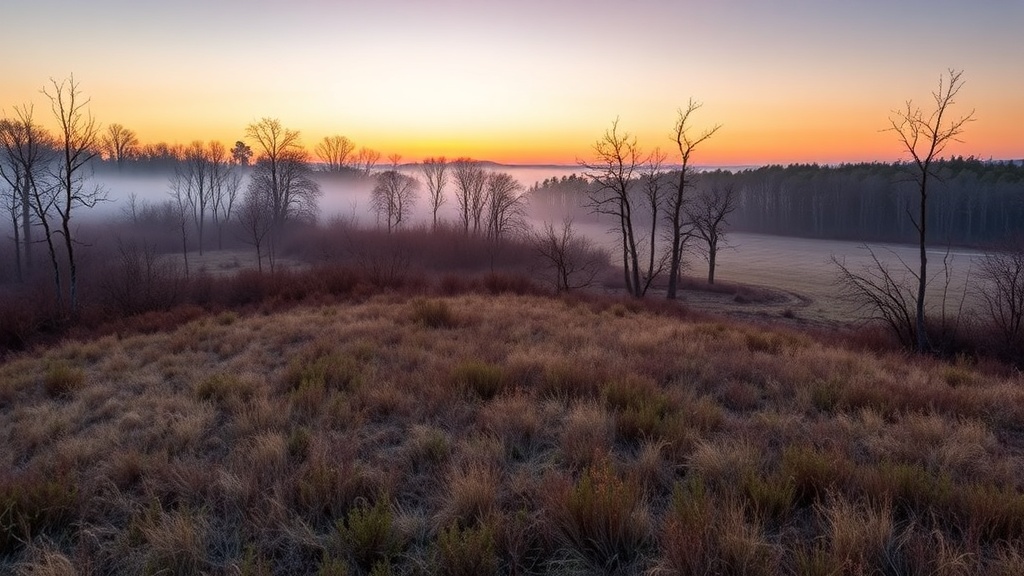 Special youth deer gun weekends give younger hunters early access before the general firearms opener. The extended archery and muzzleloader windows allow bowhunters and primitive-weapons enthusiasts to hunt through the rut, which typically peaks in mid to late November across most of the state.
For full season details, visit the Oklahoma hunting seasons page.
Licensing and Tags
To hunt deer in Oklahoma, you need a valid Oklahoma hunting license. Residents purchase a resident hunting license, while nonresidents need a nonresident hunting license. In addition, deer hunters must obtain deer gun or deer archery tags depending on the season they plan to hunt. Antlerless deer permits may be required in certain zones and are distributed through the ODWC. Residents can expect to pay $25.00 for a resident hunting license, while nonresidents should budget for the higher $285.00 nonresident fee.
Oklahoma also offers a combination license that bundles hunting and fishing privileges. Youth and senior licenses are available at reduced rates. Landowner exemptions apply in some cases for residents hunting on their own property.
For a complete breakdown of license types and how to purchase them, see the Oklahoma hunting license guide.
Regulations Highlights
Oklahoma deer hunting regulations are structured by zone. Key rules to be aware of include:
 <strong>Season limit:</strong> 6
- Bag limits: The statewide bag limit typically allows multiple deer per season, with restrictions on the number of antlered bucks. Antlerless harvest rules vary by zone and season type.
- Antler restrictions: Some zones enforce antler point restrictions to protect younger bucks. Check your zone’s specific requirements before hunting.
- Legal weapons: Rifles, shotguns, handguns, muzzleloaders, and archery equipment (including crossbows) are legal during their respective seasons. Centerfire rifles are permitted during the general gun season.
- Tagging and reporting: All harvested deer must be tagged immediately and reported through the ODWC’s online or phone-in check system.
- CWD monitoring: Chronic Wasting Disease surveillance zones may have mandatory check stations and carcass movement restrictions. Be aware of any CWD zones near your hunting area.
Review the full set of rules on the Oklahoma hunting regulations page.
Where to Hunt
Oklahoma has an extensive system of WMAs and public hunting lands managed by the ODWC. Key areas for deer include:
- Pushmataha Wildlife Management Area – Located in the Ouachita Mountains of southeastern Oklahoma, this large WMA offers quality whitetail hunting in rugged hardwood timber. Deer densities are solid, and trophy potential is high.
- McAlester Army Ammunition Plant – This military installation in Pittsburg County opens portions to public hunting and is known for producing mature bucks in a low-pressure environment.
- Cookson Hills WMA – Situated in the hills of eastern Oklahoma, Cookson offers a mix of oak-hickory forest and creek bottoms that funnel deer movement.
- Wichita Mountains Wildlife Refuge – While the refuge itself has specific hunt regulations, the surrounding WMA lands in southwestern Oklahoma provide hunting access in mixed-grass prairie and granite hill terrain.
- Cross Timbers WMA – In the Cross Timbers region, this area features the classic post oak and blackjack oak woodland habitat that defines central Oklahoma deer hunting.
Many WMA hunts in Oklahoma are open access, though some require special draw permits. Learn more about access options on the Oklahoma hunting land page.
Tactics and Strategies
Deer hunting tactics in Oklahoma depend heavily on the region. In the Cross Timbers belt that stretches from the central part of the state, treestand hunting along creek drainages and oak ridges is the primary approach. Deer travel between bedding cover in dense post oak thickets and feeding areas in adjacent agricultural fields or food plots. Setting up along these transition zones during morning and evening movement is consistently productive.
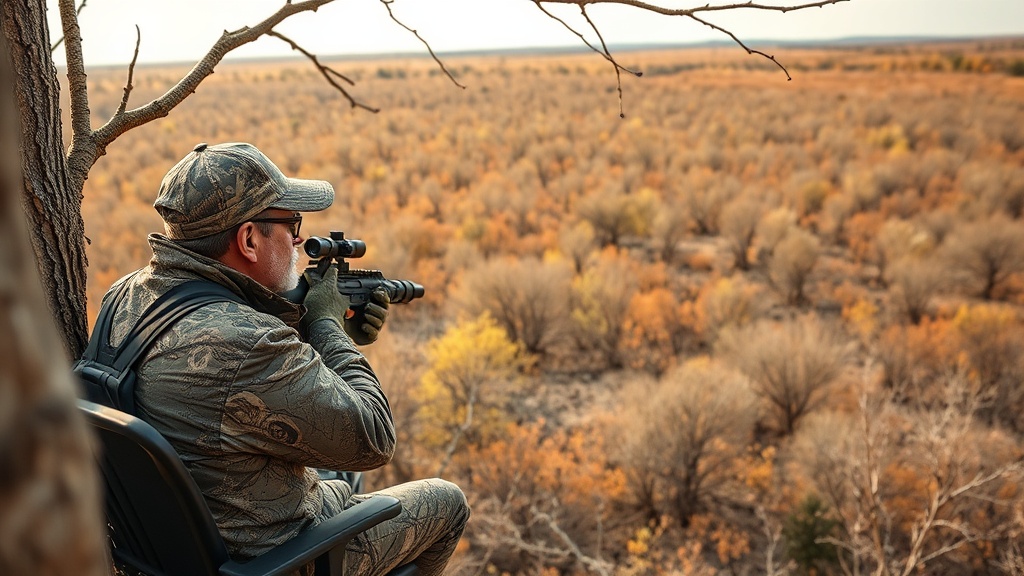 In the Ouachita Mountains of southeastern Oklahoma, terrain-based strategies work best. Ridge points, saddles, and bench flats along mountain slopes create natural funnels that deer use for travel. Hunting these terrain features during the rut can put you in range of cruising bucks. Still-hunting through hardwood hollows is also effective when conditions are damp enough to move quietly.
River bottomlands along the Canadian, Red, and Arkansas rivers offer a different dynamic. Whitetails in bottomland habitats key in on agricultural crops, persimmon trees, and browse along the timber edges. Stand hunting over field edges or travel corridors between bedding and feeding areas is the standard tactic.
Scouting food sources, water, and travel corridors before the season is essential across all Oklahoma terrain types. Trail cameras are widely used to pattern deer movement and identify shooter bucks.
Gear Considerations
Oklahoma’s weather varies widely across the deer season. Early archery hunts in October can see temperatures in the 80s and 90s, while late-season hunts in December and January may bring freezing rain, ice, and sub-freezing wind chills. Plan your clothing in layers and prioritize moisture-wicking base layers for warm early-season sits.
Key gear for Oklahoma deer hunting includes:
- A reliable rifle in popular calibers such as .308, .30-06, or 6.5 Creedmoor for firearms season, or a compound or crossbow for the long archery window
- Layered clothing to handle Oklahoma’s rapid temperature swings, from warm early-season days to cold late-season fronts
- A sturdy pair of hunting boots suited to the terrain, whether rocky Ouachita Mountain ridges or muddy river bottomlands
- Binoculars for glassing field edges and open timber
- A sharp field-dressing kit and cooler with ice, as warm early-season temperatures demand prompt meat care
For detailed gear recommendations, visit the gear hub and the best deer hunting rifles guide.
Plan Your Hunt
Oklahoma deer hunting rewards preparation and flexibility. Scout early, know your zone’s specific regulations, and have a plan for processing and transporting your harvest. These resources will help you put a hunt together:
- Whitetail Deer Hunting Guide – biology, behavior, and general strategies
- Oklahoma Location Hub – overview of hunting in the Sooner State
- Scouting Basics – how to read sign and pattern deer
- First-Time Hunter Checklist – everything you need before your first hunt
Explore Related Topics:
Notice an update we should make?
We strive for accuracy. Contact us here if you see incorrect or outdated info on this page.