Montana is one of the premier deer hunting destinations in the American West. White-tailed deer, which typically weigh 150–300 lbs (bucks), 90–200 lbs (does), thrive in the river bottoms and farmland corridors, while mule deer dominate the mountain foothills and open prairie. The state supports healthy populations of both mule deer and white-tailed deer across a landscape that ranges from the high peaks of the Rocky Mountains to the rolling prairie grasslands of the eastern plains. Montana Fish, Wildlife & Parks (MFWP) manages deer herds through a system of hunting districts, seasons, and permits designed to maintain sustainable populations while providing quality hunting opportunities.
| Season Type | Opens | Closes | Notes |
|---|---|---|---|
| Archery | September 6, 2025 | October 19, 2025 | Statewide archery season for deer. |
| General Rifle | October 25, 2025 | November 30, 2025 | General rifle season. Whitetail either-sex in most districts. |
Mule deer are the primary species across most of Montana, inhabiting the mountain foothills, sagebrush breaks, river coulees, and open prairie. White-tailed deer thrive in the river bottoms, irrigated farmland corridors, and cottonwood drainages of the eastern prairies and western valleys. Many hunting districts hold both species, giving hunters the chance to pursue either or both in a single trip. Cities such as Billings, Missoula, and Great Falls serve as staging points for hunts across varied terrain.
Always verify current season dates, bag limits, and district-specific regulations through the official MFWP resources before planning your hunt. Rules can change annually and often differ between hunting districts.
Season Overview
Montana’s deer season generally spans from early fall through late November, with multiple weapon-specific periods. Archery season typically opens in early September, giving bowhunters weeks of warm-weather hunting before rifle season begins. The general rifle season usually runs for about five weeks starting in late October. A muzzleloader season follows in December in some districts, and there are additional youth and antlerless opportunities depending on the area.
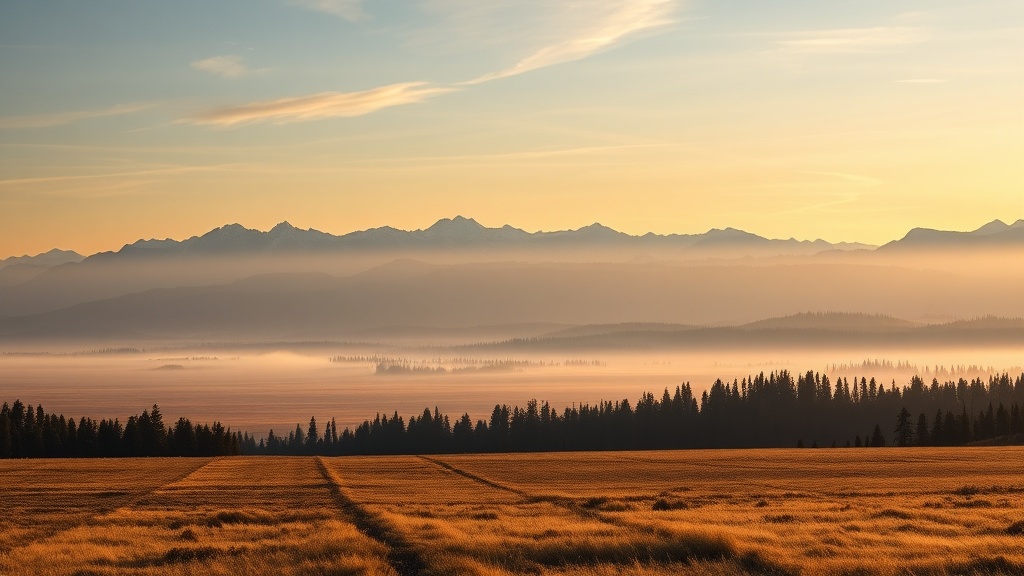 Season structures and available permits vary by hunting district. Some districts offer general deer tags that allow harvest of either mule deer or whitetail, while others are species-specific. Backcountry districts in western Montana may have different dates than the prairie districts in the east.
For full season details, visit the Montana hunting seasons page.
Licensing and Tags
Montana uses a combination of general licenses and limited-entry permits for deer hunting. Residents can purchase a general deer license over the counter, which is valid in most hunting districts. Nonresidents face more limited availability and must apply through a draw system for deer combination licenses. Demand for nonresident tags is high, so applying early and understanding the preference point system is important. Residents can expect to pay for a resident hunting license, while nonresidents should budget for the higher nonresident fee.
Some hunting districts require special permits for antlerless deer or for hunting in specific areas with limited access. B licenses (antlerless permits) are available through a drawing and are district-specific. Hunters who draw a B license can harvest an additional antlerless deer in the designated district.
Both residents and nonresidents need a valid conservation license in addition to their deer tag. Youth hunters may qualify for reduced-fee licenses and special season opportunities.
For a complete breakdown of license types, draw procedures, and how to apply, see the Montana hunting license guide.
Regulations Highlights
Montana deer hunting regulations are structured around hunting districts, and rules can differ significantly from one district to the next. Key regulations to be aware of include:
 <strong>Season limit:</strong> 1
- Bag limits: General deer tags typically allow one deer. Hunters who draw additional B licenses can harvest antlerless deer in specific districts. Bag limits and species restrictions vary by district.
- Antler point restrictions: Some districts have antler point restrictions for bucks, requiring a minimum number of points on one antler. Check the district-specific rules before you hunt.
- Legal weapons: Rifles, shotguns, muzzleloaders, handguns, and archery equipment including crossbows (with some restrictions) are legal during their respective seasons. Minimum caliber and equipment requirements apply.
- CWD management: Chronic Wasting Disease surveillance areas have mandatory check stations and carcass transport restrictions. Know whether your hunting district falls within a CWD management zone.
- Tagging and reporting: All harvested deer must be tagged immediately. Some districts require check-in at designated stations.
Review the full set of rules on the Montana hunting regulations page.
Where to Hunt
Montana’s abundant public land makes it one of the most accessible states for deer hunting in the West. National forests, BLM tracts, state lands, and wildlife management areas provide millions of acres of huntable ground. Key areas include:
- Custer Gallatin National Forest – Spanning several mountain ranges in south-central Montana, this forest holds strong populations of both mule deer and whitetail. Timbered ridges, alpine meadows, and creek drainages provide diverse habitat.
- Lewis and Clark National Forest – Stretching across the central Montana mountains east of the Continental Divide, this forest offers excellent mule deer hunting in rugged canyon country and open parks.
- Charles M. Russell National Wildlife Refuge – One of the largest wildlife refuges in the lower 48, the CMR covers the Missouri River breaks in eastern Montana. Mule deer thrive in the coulees and badlands terrain, and whitetail live along the river bottoms.
- BLM lands in eastern Montana – Scattered BLM parcels across the prairie offer walk-in mule deer hunting in sagebrush, creek bottoms, and rough breaks. These areas often see lighter hunting pressure than the mountain forests.
- Montana State Trust Lands – State-owned parcels are open to hunting and scattered throughout the state. Access varies, and some parcels require permission from adjacent landowners to reach.
For more on public and private land access, visit the Montana hunting land page.
Tactics and Strategies
Deer hunting tactics in Montana depend heavily on the terrain and species you are pursuing. Mule deer in the mountain foothills and prairie breaks respond well to spot-and-stalk hunting. Glassing from high vantage points at dawn and dusk with quality optics is the foundation of western mule deer hunting. Once you locate a buck, plan a stalk using terrain features such as coulees, ridgelines, and draws to close the distance.
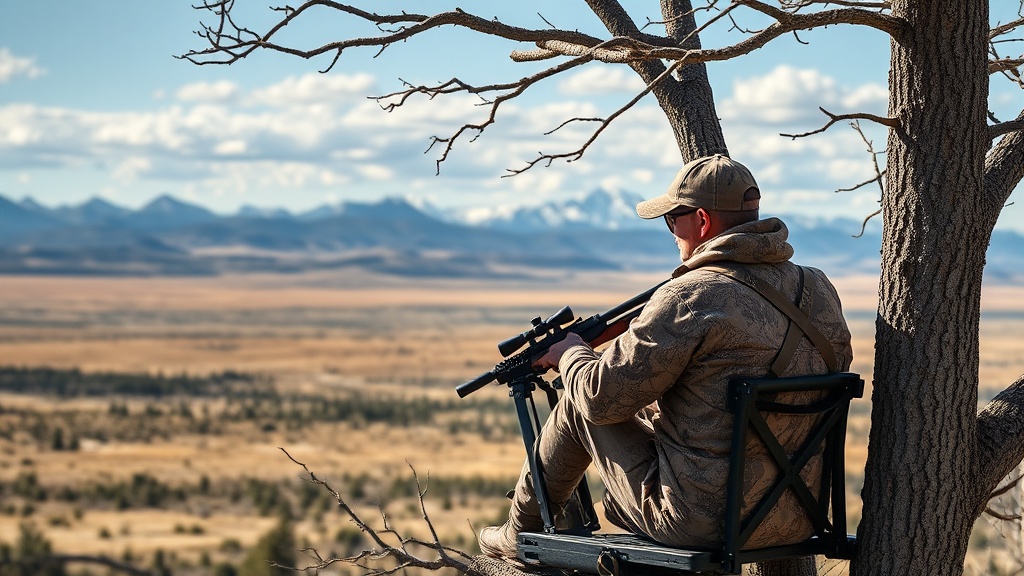 White-tailed deer in the river bottoms and agricultural corridors are more effectively hunted from tree stands or ground blinds positioned along travel routes between bedding cover and food sources. Cottonwood stands, creek crossings, and field edges are prime stand locations.
During the rut, which generally peaks in mid to late November, both species become more active during daylight. Rattling and calling can be effective for whitetail bucks, while mule deer bucks are often found trailing does across open country and can be intercepted with a well-planned stalk.
In the backcountry, be prepared for long days of hiking and glassing. Physical fitness matters in the mountains, and weather can shift rapidly. Hunting pressure tends to push deer into heavier timber and rougher terrain as the season progresses, so be willing to go deeper than other hunters.
Gear Considerations
Montana’s climate demands preparation for a wide range of conditions. Early archery season can bring warm days in the 70s and 80s, while late rifle season may deliver subzero temperatures, snow, and wind. Layering is essential, starting with moisture-wicking base layers and building up to insulated outer shells.
Key gear for Montana deer hunting includes:
- A flat-shooting rifle in calibers such as .270, .308, 6.5 Creedmoor, or .30-06, paired with quality optics for shots that may stretch across open basins and prairie
- Sturdy, insulated hunting boots rated for cold and rough terrain, with ankle support for mountain travel
- High-quality binoculars (10x42 recommended) and a spotting scope for glassing mule deer country
- A hunting backpack capable of hauling meat out of the backcountry
- Cold-weather accessories including insulated gloves, a balaclava, and hand warmers for late-season sits
For detailed gear recommendations, visit the gear hub and the best deer hunting rifles guide.
Plan Your Hunt
Montana deer hunting rewards those who invest time in scouting, physical preparation, and understanding the district system. Whether you are chasing mule deer across open breaks or setting up on a river-bottom whitetail, preparation is the difference between a tag and a story. These resources will help you plan:
- Whitetail Deer Hunting Guide – biology, behavior, and general strategies
- Montana Location Hub – overview of hunting in Big Sky Country
- Scouting Basics – how to read sign and pattern deer
- First-Time Hunter Checklist – everything you need before your first hunt
Explore Related Topics:
Notice an update we should make?
We strive for accuracy. Contact us here if you see incorrect or outdated info on this page.