Missouri is one of the premier whitetail deer hunting states in the country. Mature bucks typically weigh 150–300 lbs (bucks), 90–200 lbs (does), and the state’s combination of fertile agricultural land and extensive hardwood forests consistently produces trophy-caliber deer. The combination of fertile agricultural land, extensive hardwood forests, and aggressive deer management has produced consistently strong deer populations and trophy-caliber bucks. From the rugged Ozark Highlands of the southern half of the state to the Missouri River bottomlands and rolling agricultural prairies of the north, whitetails thrive in nearly every corner of Missouri.
| Season Type | Opens | Closes | Notes |
|---|---|---|---|
| Archery | September 15, 2025 | November 14, 2025 | First segment of archery season. Bows, crossbows, and atlatl permitted. |
| Archery Late | November 26, 2025 | January 15, 2026 | Late archery season. Resumes after November firearms season. |
| General Firearm November | November 15, 2025 | November 25, 2025 | November portion of firearms deer season. All legal firearms permitted. Missouri's most popular deer season. |
| Antlerless Firearm | December 6, 2025 | December 14, 2025 | Antlerless-only firearms season. Designed to manage doe populations in open counties. |
| Muzzleloader | December 15, 2025 | December 27, 2025 | Muzzleloader season. Muzzleloading firearms only. Either sex. |
| Youth | November 1, 2025 | November 2, 2025 | Youth deer season. Hunters 6-15 with licensed adult mentor. Firearms or archery. |
| Urban Antlerless | October 1, 2025 | October 31, 2025 | Urban archery antlerless season in select municipalities. Archery only. |
The Missouri Department of Conservation (MDC) manages the state’s deer herd through carefully structured seasons and a conservation area system that ranks among the best public hunting programs in the nation. Missouri regularly appears in national rankings for Boone and Crockett entries, and the northern third of the state in particular is known for producing heavy-antlered, mature bucks. Whether you are perched in a treestand overlooking an Ozark hollow or sitting a field edge in the Missouri River corridor, this state delivers exceptional whitetail hunting.
Always verify current season dates, bag limits, and legal requirements through the official MDC regulations before heading afield. Rules can change from year to year and may vary by county.
Season Overview
Missouri provides deer hunters with several distinct season segments. Archery season typically opens in mid-September and runs through mid-November, then reopens after firearms season and continues through mid-January, giving bowhunters an extended hunting window. The firearms season usually runs for approximately eleven days in mid-November, coinciding with peak rut activity across much of the state. An alternative methods season follows in late December, allowing the use of muzzleloaders, archery equipment, and atlatls.
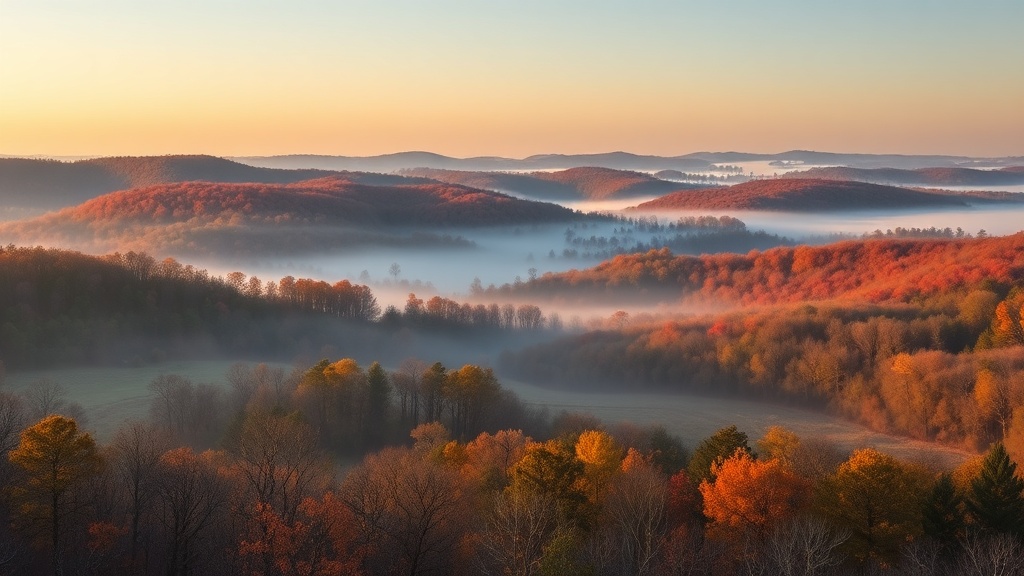 Youth firearms weekends give younger hunters early access before the general firearms opener. The early archery window allows bowhunters to hunt during the transition from early fall food patterns into pre-rut activity, and the late archery season covers the post-rut period when bucks return to feeding patterns.
For full season details, visit the Missouri hunting seasons page.
Licensing and Tags
To hunt deer in Missouri, you need a valid Missouri hunting permit. Residents purchase a resident hunting permit, while nonresidents need a nonresident hunting permit. Deer hunters must also obtain deer hunting permits specific to the method and season. Missouri uses a system of firearms deer permits, archery deer permits, and antlerless permits that are available for specific counties based on population management goals. Residents can expect to pay for a resident hunting license, while nonresidents should budget for the higher nonresident fee.
Managed Deer Hunts on select conservation areas require a separate application through the MDC’s managed hunt system. Some of these hunts are highly sought after and involve a draw. Landowner permits are available for qualifying resident landowners and their immediate family.
For a complete breakdown of permit types and how to purchase them, see the Missouri hunting license guide.
Regulations Highlights
Missouri deer hunting regulations are structured by county and season type. Key rules to be aware of include:
 <strong>Season limit:</strong> 4
- Bag limits: Firearms season permits typically allow one antlered deer and one antlerless deer, depending on the permit type. Additional antlerless permits may be available in counties with high deer densities. Archery permits generally allow the harvest of multiple deer with specific antlered and antlerless allocations.
- Antler point restrictions: Missouri does not have a statewide antler point restriction, though voluntary restraint programs and local traditions encourage letting young bucks pass.
- Legal weapons: Rifles, shotguns, handguns, muzzleloaders, and archery equipment (including crossbows) are legal during their respective seasons. During the firearms season, centerfire rifles, shotguns with slugs, and handguns are permitted.
- Telecheck: All harvested deer must be reported through Missouri’s Telecheck system (online, app, or phone) before the end of the day of harvest.
- CWD management: Chronic Wasting Disease has been detected in portions of Missouri. Mandatory sampling, carcass disposal requirements, and movement restrictions may apply in CWD management zones.
Review the full set of rules on the Missouri hunting regulations page.
Where to Hunt
Missouri’s conservation area system provides hundreds of thousands of acres of public hunting land. Key areas for deer include:
- Mark Twain National Forest – Spanning over 1.5 million acres across southern Missouri’s Ozark Highlands, this national forest offers vast tracts of hardwood timber for whitetail hunting. Multiple ranger districts provide diverse terrain and relatively low hunting pressure in remote areas.
- Peck Ranch Conservation Area – Located in the heart of the Ozarks in Carter County, Peck Ranch is one of Missouri’s premier managed deer areas, known for producing mature bucks through controlled harvest.
- August A. Busch Memorial Conservation Area – Situated near St. Louis, Busch CA provides accessible deer hunting close to the state’s largest metro area. Managed hunts help maintain deer quality.
- Schell-Osage Conservation Area – In west-central Missouri, this area features a mix of grassland and timber habitat along the Osage River, providing quality whitetail habitat.
- Swan Lake National Wildlife Refuge – Located in north-central Missouri’s agricultural country, the upland portions of Swan Lake offer deer hunting in a region known for large-bodied, heavy-racked bucks.
Many conservation area hunts are open access, though some premier areas require managed hunt permits obtained through the MDC draw system. Learn more about access options on the Missouri hunting land page.
Tactics and Strategies
Deer hunting tactics in Missouri vary by region and terrain. In the Ozark Highlands that cover the southern half of the state, treestand hunting along ridge points, saddles, and creek drainages is the standard approach. Ozark whitetails travel along predictable terrain features, and identifying pinch points between ridges and hollows puts hunters in high-traffic corridors. During the rut, cruising bucks work these ridgelines heavily, and grunt calls and rattling can pull bucks off their routes.
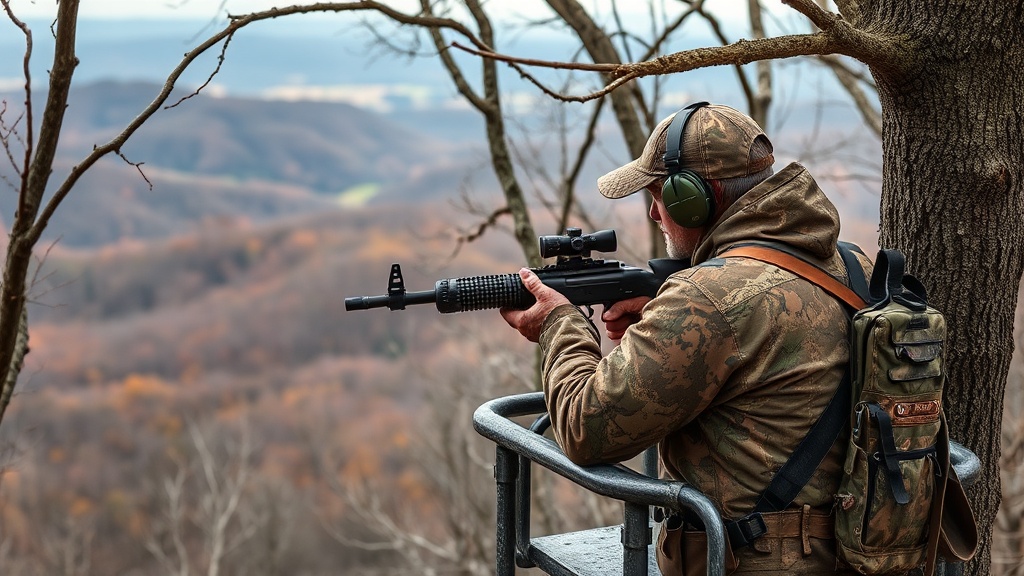 In the agricultural prairies and river bottoms of northern Missouri, deer hunting centers on food sources. Standing corn and soybean fields are magnets for deer, and setting up along field edges, fence lines, and timber strips that connect bedding areas to feeding areas is consistently productive. The northern Missouri rut tends to be intense and concentrated, making the firearms season one of the most exciting times to be in the woods.
The Missouri River bottomlands present their own set of tactics. Thick timber, oxbow lakes, and agricultural fields create a mosaic of cover and food. Deer in bottomland habitats often bed in dense willow and cottonwood thickets and feed in adjacent crop fields. Hunting travel corridors between these areas, particularly during the rut, is a proven strategy.
Trail cameras, food plots, and pre-season scouting are standard tools for Missouri deer hunters. Understanding how deer use the terrain between bedding and feeding areas is the foundation of a successful hunt.
Gear Considerations
Missouri’s deer season spans from early fall warmth through mid-winter cold. September archery hunts can bring temperatures in the 80s, while late-season hunts in January often see single-digit wind chills and snow. Layered clothing is essential for adapting to the state’s highly variable weather.
Key gear for Missouri deer hunting includes:
- A reliable rifle in popular calibers such as .308, .30-06, or 6.5 Creedmoor for firearms season, or a compound bow or crossbow for the extended archery window
- Layered clothing to handle temperatures ranging from summer heat to winter cold, with insulated outer layers and quality hand and foot warmers for late-season sits
- Durable hunting boots suited to Ozark ridges, muddy river bottoms, or frozen agricultural fields
- Binoculars for glassing field edges and open timber
- A reliable treestand or climbing stand for timber hunting, along with a safety harness
- A sharp field-dressing kit and game bags for meat care
For detailed gear recommendations, visit the gear hub and the best deer hunting rifles guide.
Plan Your Hunt
Missouri deer hunting rewards preparation and knowledge of the landscape. Scout early, understand your county’s specific regulations and permit availability, and have a plan for processing your harvest. These resources will help you put a hunt together:
- Whitetail Deer Hunting Guide – biology, behavior, and general strategies
- Missouri Location Hub – overview of hunting in the Show-Me State
- Scouting Basics – how to read sign and pattern deer
- First-Time Hunter Checklist – everything you need before your first hunt
Explore Related Topics:
Notice an update we should make?
We strive for accuracy. Contact us here if you see incorrect or outdated info on this page.