Deer hunting in Minnesota is a deeply rooted tradition that draws hundreds of thousands of hunters into the field each fall. Mature whitetail bucks in the state typically weigh 150–300 lbs (bucks), 90–200 lbs (does), with the southern farmland zone producing some of the largest-bodied deer in the Midwest. The state’s landscape offers extraordinary variety for whitetail hunters – from the dense conifer forests and wilderness of the Boundary Waters region in the northeast, through the hardwood transition zone of central Minnesota, to the wide-open prairie farmland of the south and west. This range of habitat types means hunters can pursue whitetails in thick boreal timber, sprawling agricultural flats, and everything in between.
| Season Type | Opens | Closes | Notes |
|---|---|---|---|
| Archery | September 13, 2025 | December 31, 2025 | Archery season. Bows and crossbows permitted statewide. Runs before and after firearms season. |
| General Firearm | November 8, 2025 | November 23, 2025 | Firearms deer season. Most popular deer season in Minnesota. All legal firearms permitted. |
| Muzzleloader | November 29, 2025 | December 14, 2025 | Muzzleloader season. Muzzleloading firearms only. |
| Youth | October 16, 2025 | October 19, 2025 | Youth deer season. Hunters 10-17 years old with licensed adult mentor. Firearms or archery. |
| Early Antlerless | October 16, 2025 | October 19, 2025 | Early antlerless season in designated permit areas with high deer populations. |
The Minnesota Department of Natural Resources (MNDNR) manages the state’s deer herd through a permit area system that tailors harvest goals to local populations. Minnesota consistently ranks among the top states in the nation for total deer harvest, and the southern farmland zone in particular produces trophy-class bucks with the body size and antler growth that rival any Midwest destination.
Regulations differ by permit area, so always check the MNDNR’s current season guide before hunting. Permit availability, antlerless tags, and season structures can change annually based on population surveys and management objectives.
Season Overview
Minnesota’s deer season includes archery, firearms, and muzzleloader segments. Archery season typically opens in mid-September and extends through the end of December, providing the longest hunting window. The firearms season is a much shorter but intensely popular period, usually running for about two weeks in early to mid-November. Muzzleloader season generally follows the firearms season in late November or early December.
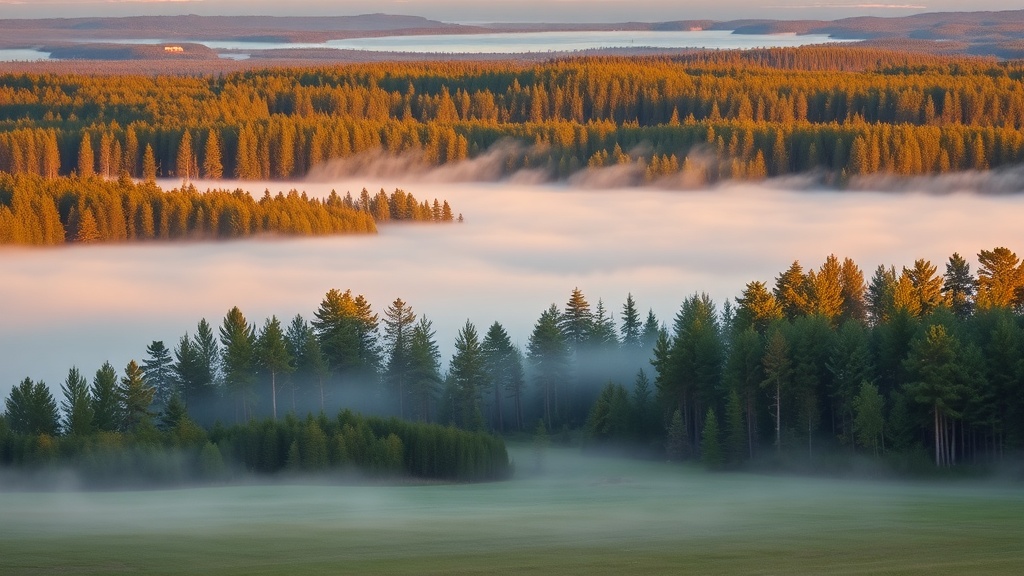 The firearms opener in Minnesota is one of the most anticipated days on the state’s sporting calendar. Camps fill, small towns bustle, and hundreds of thousands of hunters head into the woods. The timing of firearms season typically overlaps with or follows closely after the peak of the rut, which occurs in early to mid-November across most of the state.
For the current schedule and permit area details, see the Minnesota hunting season page.
Licensing and Tags
Minnesota uses a lottery-based system for many deer permits, particularly for antlerless tags. All deer hunters need a valid firearms or archery deer license, depending on the season they intend to hunt. Nonresidents can apply for licenses but face more limited permit availability in some areas. Residents can expect to pay for a resident hunting license, while nonresidents should budget for the higher nonresident fee.
In most permit areas, a standard license allows the harvest of one antlered buck. Bonus antlerless permits or lottery antlerless tags may be available depending on the MNDNR’s population goals for the specific area. Hunters must apply for these permits during a designated application period before the season.
All harvests must be registered through the MNDNR’s electronic registration system. For purchasing information and permit details, visit the Minnesota hunting license guide.
Regulations Highlights
Minnesota’s deer regulations are structured around roughly 100 permit areas, each with specific rules:
 <strong>Season limit:</strong> 5
- Bag limits vary by permit area. Most areas allow one buck per license; antlerless permits are separate and area-specific.
- Antler point restrictions apply in some areas, typically requiring at least one antler with a minimum number of points.
- Legal shooting hours run from thirty minutes before sunrise to thirty minutes after sunset.
- Blaze orange or blaze pink – a minimum of visible fluorescent orange or pink is required during firearms season, including a hat.
- CWD management is a major concern in parts of the state, with mandatory testing and carcass transportation restrictions in designated zones.
- Baiting and feeding deer is prohibited statewide.
- Party hunting is allowed in Minnesota, meaning members of a hunting party can tag deer for each other under specific conditions.
Review the complete regulations on the Minnesota hunting regulations page.
Where to Hunt
Minnesota provides vast public hunting opportunities through state forests, WMAs, and national forests. Outstanding areas for deer hunting include:
- Chippewa National Forest – Located in north-central Minnesota, this massive forest features a mix of hardwoods, conifers, and wetlands. Deer populations are solid, and hunter density is manageable given the size of the area.
- Superior National Forest – In the state’s Arrowhead region near Duluth, this forest offers remote, wilderness-character hunts in boreal habitat. Deer densities are lower than in the south but mature bucks can be found.
- Whitewater WMA – Situated in the bluff country of southeastern Minnesota near Rochester, this area is known for big-bodied, big-antlered bucks in hardwood ridges and agricultural valleys.
- Carlos Avery WMA – Located north of Minneapolis, this large WMA provides accessible hunting in a mix of wetlands, grasslands, and hardwoods.
- Southwest Minnesota WMAs – The prairie farmland region has numerous WMAs scattered among agricultural fields. These smaller tracts can hold excellent deer, especially along wooded river corridors.
For more public land options and access information, check the Minnesota land access guide.
Tactics and Strategies
Minnesota’s diverse terrain demands different approaches depending on where you hunt.
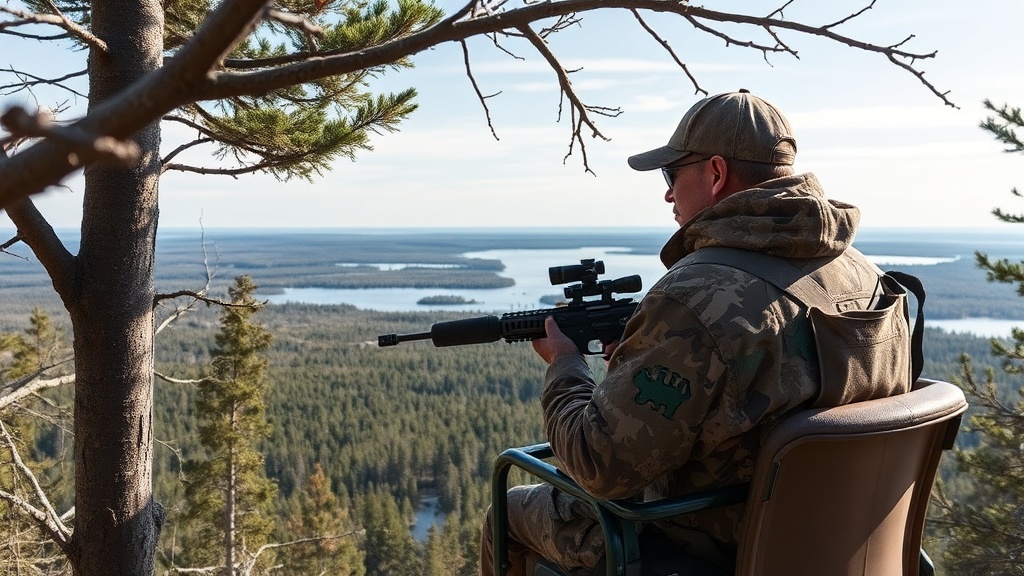 Southern farmland. This is classic Midwest whitetail country. Deer travel between crop fields, woodlots, and river bottoms on predictable patterns. Stand hunting over funnels, field edges, and creek crossings is the primary strategy. During the rut, all-day sits in travel corridors between bedding and feeding areas can produce encounters with mature bucks cruising for does. Rattling and calling are effective during peak breeding activity.
Central transition zone. The mix of hardwoods, lakes, and light agriculture in central Minnesota creates scattered deer populations. Focus on areas where food sources concentrate deer – oak ridges, edges of hay fields, and food plots near thick bedding cover. Hunting pressure can push deer into remote pockets, so getting away from roads and trails pays off.
Northern forests. In the boreal and mixed-forest zone of northern Minnesota, deer densities depend heavily on winter severity and habitat conditions. Hunt logging roads, recent clear-cuts, and edges between mature timber and young regenerating forest. Deer in these areas rely on browse rather than agricultural crops, so understanding the local food sources is critical. Still-hunting through fresh snow can be exceptionally productive in this environment.
Bluff country (southeast). The rugged coulees and hardwood ridges along the Mississippi River produce some of Minnesota’s best bucks. Hunt ridge saddles, benches, and the edges of crop fields tucked into the valleys. This terrain rewards physical fitness and willingness to hunt steep ground that other hunters avoid.
Gear Considerations
Minnesota deer season spans from the comfortable temperatures of September through potentially brutal cold in December. Early archery hunters need lightweight layers and insect protection. By firearms season in November, hunters should be prepared for temperatures well below freezing, snow, and wind.
A high-quality insulated outer layer, hand warmers, and insulated hunting boots rated for subzero temperatures are essential for firearms and late-season hunts. Sitting in a treestand or ground blind in Minnesota’s November cold demands serious warmth.
For firearms season, most Minnesota hunters use bolt-action or lever-action rifles in calibers suited for whitetails at moderate range. In the heavily wooded north, shorter-range setups are common, while southern farmland hunters may need to reach out to longer distances across open terrain.
Portable treestands, ground blinds, and permanent stands are all used across the state. On public land, portable stands must be removed daily unless otherwise posted. For more gear options, visit the gear section.
Plan Your Hunt
Minnesota’s massive public land base, strong deer herd, and deep hunting tradition make it one of the best whitetail destinations in the country. Start your planning with these resources:
- Whitetail Deer Hunting Guide – Biology, behavior, and proven hunting strategies
- Minnesota Location Hub – Hunting opportunities across the state
- Scouting Basics – How to read sign and select your hunting location
- First-Time Hunter Checklist – Everything to prepare before the season
Explore Related Topics:
Notice an update we should make?
We strive for accuracy. Contact us here if you see incorrect or outdated info on this page.