Michigan is one of the top whitetail deer hunting destinations in the United States, drawing hundreds of thousands of hunters into the field each fall. Mature bucks in the state typically weigh 150–300 lbs (bucks), 90–200 lbs (does), with the largest-bodied deer found in the southern Lower Peninsula’s agricultural counties. The state’s diverse landscape ranges from the dense northern hardwoods and wilderness expanses of the Upper Peninsula to the fertile agricultural regions of the southern Lower Peninsula, creating ideal habitat for a thriving whitetail population. The Michigan Department of Natural Resources (MDNR) manages the herd through carefully structured seasons and harvest regulations designed to maintain healthy deer numbers across both peninsulas.
| Season Type | Opens | Closes | Notes |
|---|---|---|---|
| Archery | October 1, 2025 | November 14, 2025 | First segment of archery season. Bows, crossbows permitted statewide. |
| Archery Late | December 1, 2025 | January 1, 2026 | Late archery season. Resumes after firearms season. |
| General Firearm | November 15, 2025 | November 30, 2025 | Regular firearms season. All legal firearms permitted. Michigan's most popular deer season. |
| Muzzleloader | December 6, 2025 | December 21, 2025 | Muzzleloader season. Zone 3 (southern Lower Peninsula) only. Muzzleloading firearms only. |
| Early Antlerless Firearm | September 20, 2025 | September 21, 2025 | Early antlerless firearms season on private land in select southern Lower Peninsula DMUs. |
| Youth | September 20, 2025 | September 21, 2025 | Youth deer hunt. Hunters 16 and younger with licensed adult mentor. Either sex. |
| Liberty Hunt | August 23, 2025 | August 24, 2025 | Liberty Hunt for youth, veterans, and hunters with disabilities. Special regulations apply. |
Whether you are a resident hunter near Grand Rapids, Detroit, or Traverse City, or a nonresident planning a trip to Michigan’s public forests, the state offers outstanding opportunities for both antlered and antlerless deer. Michigan’s combination of vast public land, strong deer densities, and multiple season structures makes it a premier whitetail state. Always verify current rules with the MDNR before heading afield, as regulations can change from year to year.
The whitetail is the only deer species hunted in Michigan, and it thrives across the entire state. Southern Michigan’s mix of row crops, woodlots, and river corridors produces some of the largest-bodied bucks, while the northern forests and Upper Peninsula offer a wilder, more remote hunting experience with lower deer densities but excellent solitude.
Season Overview
Michigan offers an extended deer hunting season with multiple weapon-specific segments. Archery season typically opens in early October and runs through mid-November, then reopens after the firearms season and continues into January. The regular firearms season is a roughly two-week period that traditionally opens on November 15. Muzzleloader season follows firearms season and generally runs through mid-to-late December in parts of the state. The Upper Peninsula and Lower Peninsula may have slightly different season structures and dates, so it is important to check which zone applies to your hunting area.
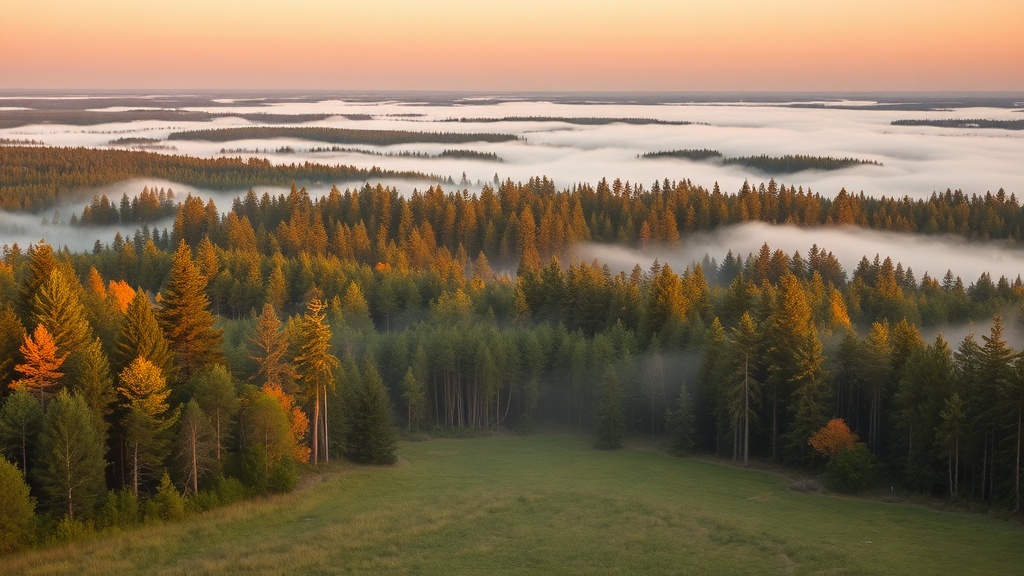 In addition to the general seasons, Michigan offers a youth-only firearms hunt and an early antlerless firearms season in select areas to help manage localized overpopulation. Liberty Hunt and Independence Hunt weekends provide additional opportunities for youth and hunters with disabilities.
For the most current season dates and zone-specific details, visit the Michigan hunting seasons page.
Licensing and Tags
All deer hunters in Michigan need a valid base hunting license along with a deer license or combination license. Michigan uses a tag system that allows hunters to purchase antlered and antlerless tags depending on the Deer Management Unit (DMU). Some DMUs offer over-the-counter antlerless tags, while others may have limited availability or require a managed hunt application. Residents can expect to pay for a resident hunting license, while nonresidents should budget for the higher nonresident fee.
Nonresidents can purchase the same license types as residents, though fees differ. Hunters planning to use multiple weapon types across different seasons should confirm they have the correct license endorsements. Michigan also participates in a mentored youth hunting program that allows younger hunters to participate under supervision with modified license requirements.
For a full breakdown of license types, costs, and purchasing options, see the Michigan hunting license guide.
Regulations Highlights
Michigan’s deer regulations vary by DMU, so hunters must know which unit they are hunting in. Key regulatory considerations include antler point restrictions (APRs) that apply in some units, requiring bucks to have a minimum number of points on one side to be legally harvested during firearms season. Archery season may have different APR rules or none at all, depending on the unit.
 <strong>Season limit:</strong> 4
Baiting and feeding regulations are another critical area. Michigan has restricted or banned baiting in certain counties, particularly in the Lower Peninsula, due to Chronic Wasting Disease (CWD) and bovine tuberculosis management efforts. CWD surveillance zones carry additional mandatory testing and carcass movement restrictions that hunters must follow.
<strong>Season limit:</strong> 4
Baiting and feeding regulations are another critical area. Michigan has restricted or banned baiting in certain counties, particularly in the Lower Peninsula, due to Chronic Wasting Disease (CWD) and bovine tuberculosis management efforts. CWD surveillance zones carry additional mandatory testing and carcass movement restrictions that hunters must follow.
All harvested deer must be tagged immediately and reported through the MDNR’s check-in system within the required timeframe. Blaze orange or pink is required during firearms seasons.
Review the full set of rules on the Michigan hunting regulations page.
Where to Hunt
Michigan has roughly four million acres of state forest land and over 380,000 acres of state game areas, giving hunters abundant public access. Here are some top areas for whitetail deer:
Pigeon River Country State Forest – Located in the northern Lower Peninsula, this area offers over 100,000 acres of rolling hardwoods, conifers, and river bottoms. It is known for producing quality bucks and provides a remote hunting experience.
Allegan State Game Area – In southwestern Michigan, this 50,000-acre property features a mix of oak forest, swamp, and agricultural edges that concentrate deer. It is accessible from Grand Rapids and Kalamazoo.
Shiawassee National Wildlife Refuge – Situated near Saginaw, this refuge offers managed deer hunts in an area where agricultural habitat supports high deer densities. Permits are required for refuge hunts.
Huron National Forest – Spanning a large portion of the northeastern Lower Peninsula, this national forest provides extensive public access with a mix of jack pine plains, hardwoods, and openings that hold deer.
Upper Peninsula State Forests – The vast state forests of the UP, including areas around the Hiawatha National Forest, offer wilderness-quality deer hunting. Deer densities are lower than the southern LP, but hunting pressure is also much lighter.
For more on public and private land access, visit the Michigan land access guide.
Tactics and Strategies
Deer hunting tactics in Michigan depend heavily on which part of the state you are hunting. In the agricultural southern Lower Peninsula, hunting over food sources is productive. Setting up on field edges, funnels between woodlots, and travel corridors between bedding and feeding areas accounts for many deer. Treestand hunting and ground blinds placed along trails and fence lines are the most common approaches.
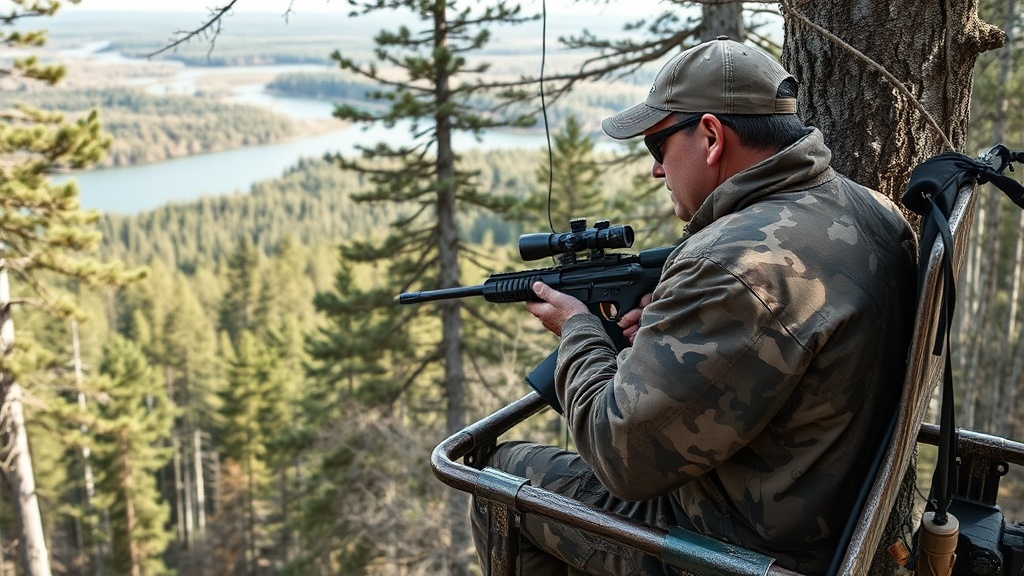 In the northern Lower Peninsula and Upper Peninsula, habitat shifts to larger timber tracts with fewer crop fields. Here, still-hunting through hardwoods during midday can be effective, particularly during firearms season when deer are pressured and moving. Hunting near oak ridges during years of good mast production, and focusing on swamp edges and thermal cover during cold snaps, are proven northern Michigan tactics.
During the rut in late October through mid-November, rattling and grunt calling become highly effective statewide. Bucks are actively seeking does, and setting up near scrape lines or doe bedding areas can produce encounters with cruising bucks throughout the day.
Gear Considerations
Michigan’s deer season spans from early fall warmth into the deep cold of winter, so layering is essential. Early archery hunters should prepare for temperatures ranging from mild to frosty mornings, while firearms and muzzleloader hunters often face snow, ice, and sub-freezing conditions, particularly in the northern half of the state and the Upper Peninsula.
Insulated, waterproof boots are critical for late-season hunts, especially when sitting in a treestand for hours. A quality deer hunting rifle chambered in a popular caliber like .30-06, .308, or .270 handles Michigan whitetails well. Archery hunters should ensure broadheads are sharp and equipment is tuned for cold-weather performance.
Blaze orange outerwear is mandatory during firearms seasons. Pack hand and toe warmers, a reliable headlamp for pre-dawn walks, and a sharp field-dressing knife. Binoculars are useful even in timber settings for identifying deer movement at distance.
Browse our full gear reviews for additional recommendations.
Plan Your Hunt
Michigan offers one of the most accessible and rewarding whitetail deer hunting experiences in the country. Use these resources to put your hunt together:
- Whitetail Deer Hunting Guide – Biology, behavior, and general strategies
- Michigan Location Hub – Overview of hunting opportunities statewide
- Scouting Basics – How to read sign and choose stand sites
- First-Time Hunter Checklist – Everything you need before opening day
Explore Related Topics:
Notice an update we should make?
We strive for accuracy. Contact us here if you see incorrect or outdated info on this page.