Kansas has earned a national reputation as one of the premier whitetail deer hunting states in America. Mature bucks typically weigh 150–300 lbs (bucks), 90–200 lbs (does), and the combination of low hunting pressure, rich agricultural habitat, and strong genetics produces trophy-class deer year after year. The combination of low hunting pressure, rich agricultural habitat, and strong deer genetics produces trophy-class bucks that draw hunters from across the country. The Kansas Department of Wildlife and Parks (KDWP) manages the state’s deer herd through structured seasons, unit-based permit allocations, and habitat management programs that keep the population healthy and balanced.
| Season Type | Opens | Closes | Notes |
|---|---|---|---|
| Archery | September 15, 2025 | December 31, 2025 | Archery season. Bows, crossbows (for eligible hunters), and handguns permitted. Either sex. |
| Early Muzzleloader | September 15, 2025 | September 28, 2025 | Early muzzleloader season. Muzzleloading rifles only. Either sex. |
| General Rifle | December 3, 2025 | December 14, 2025 | Firearms season. Centerfire rifles, shotguns, muzzleloaders, and handguns permitted. |
| Extended Archery Urban | January 12, 2026 | January 31, 2026 | Extended archery season in designated urban deer management units. |
| Youth | September 6, 2025 | September 7, 2025 | Youth deer season. Hunters 16 and younger with licensed adult mentor. |
Whitetail deer are found statewide, thriving in the river bottomlands of the Kansas and Arkansas river corridors, the tallgrass prairies of the Flint Hills, and the agricultural flatlands that dominate the central and western portions of the state. Western Kansas also holds a population of mule deer on the shortgrass prairie. Whether you are hunting creek bottoms near Wichita, timber edges outside Topeka, or CRP grasslands near Manhattan, Kansas provides a hunting experience defined by big deer and wide-open spaces.
Always confirm current season dates, bag limits, and legal requirements through the official KDWP regulations before your hunt. Rules can change from year to year and may vary by management unit.
Season Overview
Kansas structures its deer season around multiple weapon types spread across the fall and winter months. Archery season typically opens in mid-September and extends into the end of December, giving bowhunters a long window that covers the pre-rut, peak rut, and post-rut periods. The firearms season is generally a shorter window in late November and early December, timed to coincide with peak deer movement during the rut. Muzzleloader season usually follows or overlaps portions of the archery window. A pre-rut firearm antlerless-only season may also be available in some units.
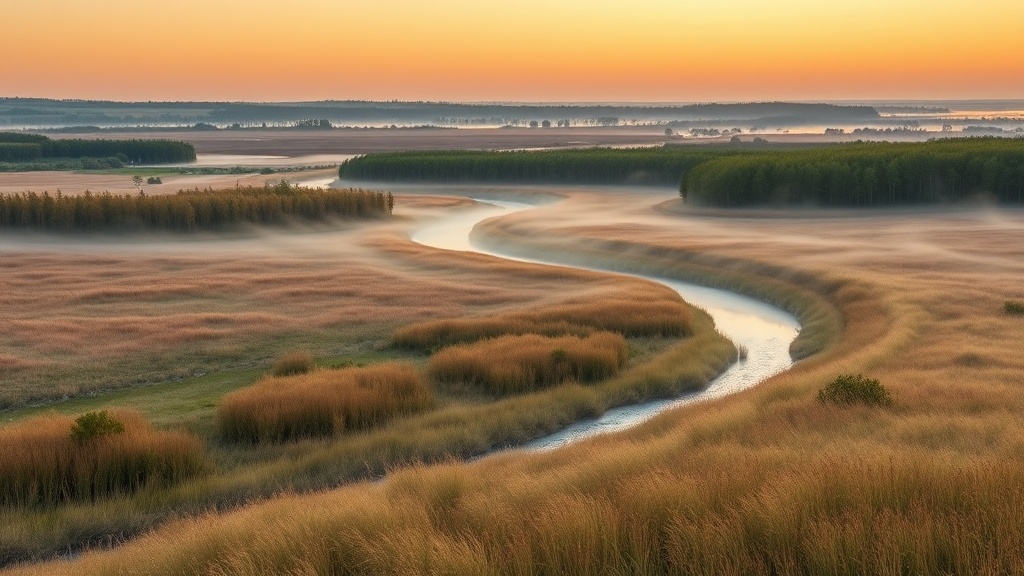 Kansas also offers a youth and disability season that provides younger and disabled hunters with early access before the general firearms opener. Season structure and unit availability can shift year to year, so always review the current framework from KDWP.
For full season details, visit the Kansas hunting seasons page.
Licensing and Tags
Kansas uses a permit-based system for deer hunting. Residents can apply for or purchase deer permits that may be either statewide or unit-specific, depending on the type. Nonresident deer permits are allocated through a draw system, and demand is high, so applying early and understanding the preference point system is important for nonresidents planning a trip. Residents can expect to pay $27.50 for a resident hunting license, while nonresidents should budget for the higher $97.50 nonresident fee.
Hunters generally need a valid Kansas hunting license in addition to a deer permit. Separate permits exist for archery, firearms, and muzzleloader seasons, and some allow either-sex harvest while others are antlerless-only. Whitetail-only and either-species permits may be available depending on the unit and season. Landowners and tenants in Kansas have access to special permits that do not require the draw.
For a complete breakdown of license types and how to apply, see the Kansas hunting license guide.
Regulations Highlights
Kansas deer regulations are managed by unit and season type. Key rules to understand include:
 <strong>Season limit:</strong> 5
- Bag limits: The number of deer a hunter can harvest depends on the permits they hold. Some units allow multiple antlerless tags to help manage population density, while buck harvest is typically limited to one antlered deer per permit.
- Antler restrictions: Kansas does not have a statewide antler point restriction, but management units may have specific guidelines. Many hunters voluntarily pass on younger bucks, contributing to the state’s reputation for mature deer.
- Legal weapons: Rifles, shotguns, handguns, muzzleloaders, and archery equipment including crossbows are permitted during their respective seasons. Minimum caliber and cartridge requirements apply during firearms season.
- Blaze orange: Hunters are required to wear blaze orange during firearms deer seasons.
- Tagging and reporting: All harvested deer must be tagged immediately. KDWP requires game-tag validation and may require online or phone check-in depending on the unit and season.
Review the full set of rules on the Kansas hunting regulations page.
Where to Hunt
Kansas provides strong public land access for deer hunters, highlighted by the Walk-In Hunting Access (WIHA) program, which opens millions of acres of private land to public hunting through agreements with landowners. In addition to WIHA, several wildlife areas and federal lands offer quality deer hunting:
Flint Hills area WIHA tracts – The WIHA program is one of the most extensive walk-in hunting programs in the nation. Tracts in the Flint Hills region feature tallgrass prairie draws, creek bottoms, and timber strips that concentrate deer movement. WIHA maps are updated annually and available from KDWP.
Clinton Wildlife Area – Located near Lawrence, this area includes timber, cropland edges, and reservoir habitat along the Wakarusa River that support healthy whitetail numbers.
Glen Elder Wildlife Area – In north-central Kansas along the Solomon River, this area provides a mix of cropland, grassland, and riparian timber that holds good deer populations.
Cimarron National Grassland – In the far southwest corner of the state, this is the largest tract of public land in Kansas. While more suited to mule deer, whitetails use the cottonwood draws and creek corridors.
Milford Wildlife Area – Near Junction City, this area along the Republican River and Milford Reservoir features quality bottomland habitat and timber that supports both resident and transient whitetails.
For more on public and private land access options, including the WIHA program, visit the Kansas hunting land page.
Tactics and Strategies
Kansas deer hunting revolves around the state’s agricultural landscape and the corridors of timber and brush that connect food sources to bedding cover. In the eastern half of the state, hunting creek and river bottoms is a proven approach. Whitetails bed in thick timber along waterways and travel to crop fields of corn, soybeans, and milo in the afternoon. Setting up on funnels, pinch points, and field edges where timber meets agriculture is highly effective.
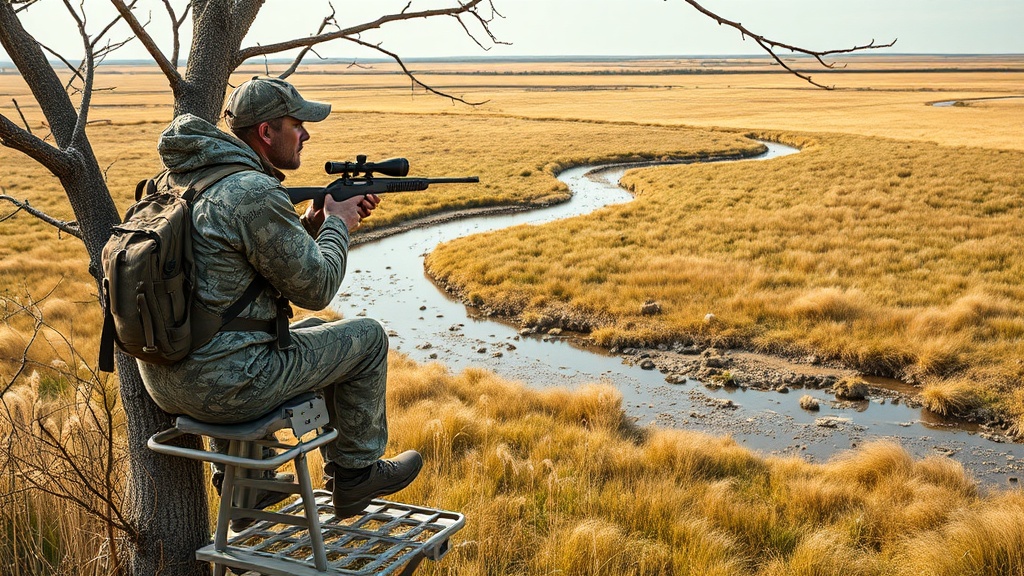 In the Flint Hills, deer concentrate in draws, wooded creek drainages, and shelterbelts surrounded by expansive tallgrass prairie. Glassing these features from high points and setting up along travel routes between bedding and feeding areas works well. The open terrain rewards patience and good optics.
During the rut, which typically peaks in mid-November, Kansas bucks cover significant ground searching for does. Rattling, grunt calling, and hunting doe-rich areas such as standing crop fields and CRP bedding cover can produce encounters with mature bucks. All-day sits during the rut are a staple strategy in Kansas, as bucks may move at any hour.
Western Kansas mule deer hunters should focus on breaks, draws, and irrigated crop fields on the shortgrass prairie, where spot-and-stalk hunting is the primary method.
Gear Considerations
Kansas weather during deer season ranges from mild fall days in September to bitter cold and wind in December. The state is known for its wind, so wind-resistant outer layers and quality insulation are essential, especially for treestand and ground blind hunters who sit for extended periods.
Key gear for Kansas deer hunting includes:
- A flat-shooting rifle in calibers such as .308, .30-06, 6.5 Creedmoor, or .270 is well suited for the open terrain and longer shots common in Kansas. Bowhunters should be prepared for shots in timber corridors and field edges.
- Quality hunting boots that handle a mix of mud, grass, and creek crossings
- Binoculars or a spotting scope for glassing open prairies and field edges
- A sturdy treestand or portable ground blind, as much of the best deer hunting involves ambush setups along travel corridors
- Layered clothing systems that manage perspiration and block wind, with blaze orange for firearms seasons
- A reliable headlamp and sharp field-dressing knife
For detailed gear recommendations, visit the gear hub and the best deer hunting rifles guide.
Plan Your Hunt
Kansas delivers some of the best whitetail deer hunting in the country, but success depends on securing permits early and doing your homework on access and terrain. These resources will help you build your hunt plan:
- Whitetail Deer Hunting Guide – Biology, behavior, and general strategies
- Kansas Location Hub – Overview of hunting opportunities across the state
- Scouting Basics – How to read sign and pattern deer
- First-Time Hunter Checklist – Everything you need before your first hunt
Explore Related Topics:
Notice an update we should make?
We strive for accuracy. Contact us here if you see incorrect or outdated info on this page.