Iowa is widely regarded as one of the finest whitetail deer hunting states in the nation. Mature bucks here typically weigh 150–300 lbs (bucks), 90–200 lbs (does), and the state’s nutrient-rich agricultural soils help produce some of the heaviest-antlered deer in the country. The state’s one-buck-limit policy, combined with nutrient-rich agricultural soils and carefully managed harvest levels, has produced a legendary reputation for growing record-class bucks. Iowa consistently ranks near the top of Boone and Crockett entries, and hunters who draw a tag know they have a legitimate chance at a mature, heavy-antlered whitetail. The Iowa Department of Natural Resources (IADNR) manages the herd through a conservative allocation system that prioritizes quality over quantity.
| Season Type | Opens | Closes | Notes |
|---|---|---|---|
| Archery | October 1, 2025 | December 5, 2025 | First segment of archery season. Bows and crossbows permitted statewide. |
| Archery Late | January 12, 2026 | January 21, 2026 | Late archery/crossbow season. Antlerless-only in some zones. |
| Early Muzzleloader | October 13, 2025 | October 24, 2025 | Early muzzleloader season. Muzzleloading firearms only. |
| Late Muzzleloader | January 12, 2026 | January 21, 2026 | Late muzzleloader season. Runs concurrently with late archery. |
| Shotgun First | December 6, 2025 | December 10, 2025 | First shotgun season. Shotguns, muzzleloaders, handguns, and straight-wall cartridge rifles permitted. |
| Shotgun Second | December 13, 2025 | January 1, 2026 | Second shotgun season. Same legal weapons as first shotgun season. |
| Youth | September 20, 2025 | September 21, 2025 | Youth-only deer season. Hunters must be 15 or younger accompanied by a licensed adult. |
| Disabled Hunter | September 27, 2025 | October 3, 2025 | Season for hunters with disabilities. Special permit required. |
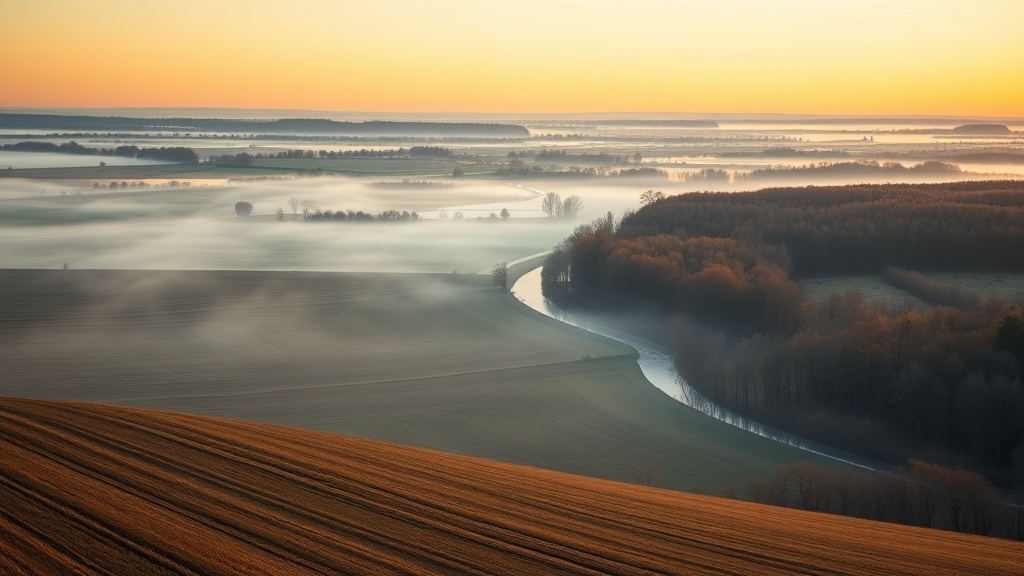
Whitetail deer thrive across Iowa’s rolling agricultural prairies, river bottomlands, and timber pockets. The Missouri and Mississippi River corridors on the state’s western and eastern borders provide ribbons of dense cover and travel routes, while the loess hills of western Iowa create rugged terrain that shelters big deer. Interior counties are dominated by row crops of corn and soybeans interspersed with woodlots, creek drainages, and CRP grasslands that serve as bedding and transition cover. Hunters near Des Moines, Cedar Rapids, and Dubuque all have access to quality deer habitat within short drives.
Always confirm current season dates, bag limits, and legal requirements through the official IADNR regulations before hunting. Iowa’s permit system has specific application deadlines that are important to understand, especially for nonresidents.
Season Overview
Iowa offers archery, firearms, and muzzleloader deer seasons spread across the fall and winter. Archery season typically opens in early October and runs through late November, then reopens after the firearms seasons and extends into January. The first firearms season is usually a short window in early to mid-December, followed by a second firearms season later in December. Muzzleloader season generally falls in mid-October and again in late December through early January. A late-season antlerless-only period may also be available in certain zones.
 Iowa also provides youth-only and disabled-hunter seasons before the general archery opener, giving those groups early access when deer are still in predictable patterns. Season dates and structure can vary by zone and year, so reviewing the IADNR’s current framework is essential.
For full season details, visit the Iowa hunting seasons page.
Licensing and Tags
Iowa’s deer licensing system is built around a limited-tag structure that keeps harvest pressure in check. Residents may apply for or purchase deer tags depending on the season and zone. The state uses a preference point system for nonresident any-sex firearm tags, and competition for these tags is intense. Nonresidents may wait several years to draw an Iowa buck tag, which underscores the state’s reputation for quality deer hunting. Residents can expect to pay $19.00 for a resident hunting license, while nonresidents should budget for the higher $116.00 nonresident fee.
Archery tags are generally more accessible for both residents and nonresidents, and a separate statewide antlerless-only tag may be available in certain zones. Iowa’s one-buck rule means that once a hunter harvests an antlered deer, they cannot take another buck during that season regardless of which season type they are hunting. Additional antlerless-only licenses help manage doe populations in areas where densities are high.
For a complete breakdown of license types and how to apply, see the Iowa hunting license guide.
Regulations Highlights
Iowa’s deer regulations reflect a management philosophy centered on growing mature bucks and maintaining balanced herds. Key rules include:
 <strong>Season limit:</strong> 3
- One-buck limit: Hunters may harvest only one antlered deer per year, across all season types. This single rule is the foundation of Iowa’s reputation for producing trophy-class bucks.
- Bag limits: Antlerless harvest opportunities vary by county and zone. Some areas allow additional doe tags to help control population levels.
- Legal weapons: Rifles, shotguns, handguns, muzzleloaders, and archery equipment are legal during their respective seasons. Iowa allows centerfire rifles during firearms season, and crossbows are permitted during archery season for eligible hunters.
- Blaze orange: Required during firearms and muzzleloader seasons.
- Tagging and reporting: All deer must be tagged immediately upon harvest and reported through the IADNR’s electronic check-in system within the required timeframe.
- CWD management: Iowa conducts surveillance for Chronic Wasting Disease and may impose carcass transport restrictions in affected zones.
Review the full set of rules on the Iowa hunting regulations page.
Where to Hunt
While Iowa is predominantly private agricultural land, the state offers solid public hunting opportunities through wildlife management areas, state forests, and county conservation areas. Key public land destinations include:
Shimek State Forest – Located in the southeastern corner of Iowa, Shimek covers over 9,000 acres of hardwood timber and rolling terrain. The mix of oak, hickory, and creek bottoms produces quality bucks, and the remote feel of the forest makes for a satisfying hunt.
Stephens State Forest – In south-central Iowa, Stephens encompasses multiple units of timber and grassland interspersed with agricultural fields. The diverse habitat structure supports healthy deer numbers.
Yellow River State Forest – Situated in the driftless area of northeast Iowa near the Mississippi River, this forest features steep bluffs, deep hollows, and mature hardwood timber. The challenging terrain limits hunting pressure and harbors mature bucks.
Loess Hills State Forest – Along Iowa’s western border, the loess hills provide surprisingly rugged terrain that deer use for bedding and travel. The unique landscape offers a different hunting experience than the typical Iowa farmland.
Coralville Lake public lands – The Army Corps of Engineers lands surrounding Coralville Lake near Iowa City include timber, prairie, and agricultural areas that hold good deer populations and provide walk-in access.
For more on public and private land access options, visit the Iowa hunting land page.
Tactics and Strategies
Iowa deer hunting is defined by the agricultural landscape and the pockets of timber that connect food sources to bedding cover. The most productive approach in the core farming counties is identifying the travel corridors that deer use to move between crop fields and wooded bedding areas. Creek drainages, fence rows, and narrow strips of timber between large fields serve as natural funnels that concentrate deer movement.
 Treestand hunting along these corridors is the primary strategy. Setting up on the downwind side of a pinch point or saddle between two terrain features puts hunters in position to intercept bucks moving to or from food. During early season, focusing on field edges near standing corn and soybean fields produces consistent encounters, especially in the final hours of daylight.
The rut in Iowa typically peaks in early to mid-November and coincides with the archery season. This is prime time for rattling, grunt calling, and hunting all day near doe bedding areas. Iowa’s big bucks become more vulnerable during the rut as they cover ground searching for receptive does. Many of the state’s largest bucks are taken during this narrow window.
In the loess hills and driftless region of the northeast, the terrain is steeper and more complex. Hunting ridgeline trails, benches, and the transitions between oak timber and agricultural fields is productive. These areas reward hunters who are willing to hike into less accessible spots where competition is lower.
Gear Considerations
Iowa’s deer season stretches from fall warmth into deep winter cold, so preparation for a wide range of conditions is important. Late-season hunts in December and January can bring snow, ice, and sub-zero wind chills, demanding serious cold-weather gear.
Key gear for Iowa deer hunting includes:
- A reliable rifle chambered in .30-06, .308, .270, or 6.5 Creedmoor for firearms season, or a well-tuned compound bow or crossbow for the long archery window
- Insulated, waterproof hunting boots for cold and muddy conditions common in timber bottoms and creek crossings
- A quality treestand and safety harness, as stand hunting is central to Iowa deer hunting strategy
- Binoculars for glassing field edges and timber openings
- Layered clothing with windproof and moisture-wicking properties, topped with blaze orange for firearms seasons
- Hand and toe warmers for extended cold-weather sits
For detailed gear recommendations, visit the gear hub and the best deer hunting rifles guide.
Plan Your Hunt
Iowa’s conservative management and exceptional genetics make it a bucket-list destination for serious whitetail hunters. Preparation starts with the application process and extends through careful scouting and access planning. These resources will help you put your hunt together:
- Whitetail Deer Hunting Guide – Biology, behavior, and general strategies
- Iowa Location Hub – Overview of hunting opportunities across the state
- Scouting Basics – How to read sign and pattern deer
- First-Time Hunter Checklist – Everything you need before opening day
Explore Related Topics:
Notice an update we should make?
We strive for accuracy. Contact us here if you see incorrect or outdated info on this page.