Idaho offers outstanding deer hunting across some of the most rugged and wild terrain in the lower 48 states. White-tailed deer, which typically weigh 150–300 lbs (bucks), 90–200 lbs (does), dominate in the northern Panhandle, while mule deer are the primary species across most of the rest of the state. The state holds strong populations of both mule deer and white-tailed deer, with habitats ranging from the dense conifer forests of the northern Panhandle to the sagebrush desert of the Snake River Plain and the towering peaks of the central Idaho wilderness. The Idaho Department of Fish and Game (IDFG) manages deer herds through a zone and unit system that provides both general-season and controlled-hunt opportunities.
| Season Type | Opens | Closes | Notes |
|---|---|---|---|
| General Rifle | October 10, 2025 | November 25, 2025 | General tags OTC for residents in many units. Northern panhandle units are prime whitetail areas. |
| Archery | August 30, 2025 | September 30, 2025 | Overlaps with elk archery season. |
Mule deer are the primary species across most of Idaho, thriving in the sagebrush foothills, mountain basins, and aspen draws of the southern and central parts of the state. White-tailed deer dominate in the northern Panhandle, where heavy timber, river drainages, and agricultural clearings provide ideal habitat. In many units, hunters can encounter both species on the same outing. Boise, Idaho Falls, and Coeur d’Alene serve as major staging areas for hunts across the state’s diverse regions.
Always verify current season dates, bag limits, and unit-specific rules through the official IDFG regulations before heading afield. Rules can change annually and differ between game management units.
Season Overview
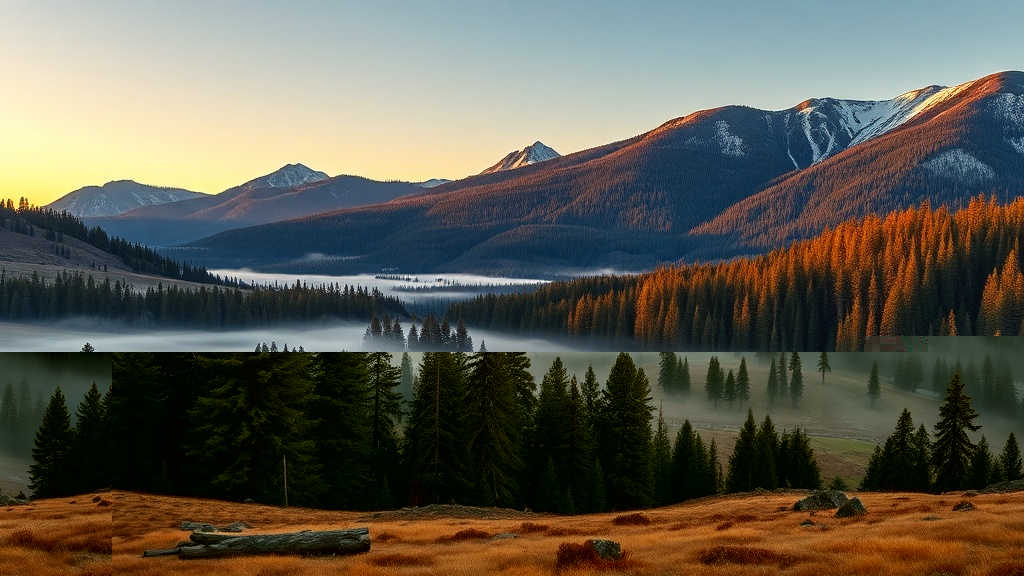
Idaho structures its deer season around zones and units, with dates varying by region. Archery season generally opens in late August or early September, providing some of the earliest deer hunting in the West. The general rifle season typically runs from early to mid-October through late November, though exact dates differ by zone. Muzzleloader seasons are available in select units, and some units offer short-range weapon or late-season opportunities.
 In addition to general-season tags, Idaho offers controlled hunts in specific units where tag numbers are limited to manage deer populations or provide higher-quality hunting. These controlled hunts require a separate application and drawing. Some units are archery-only or weapon-restricted.
For full season details, visit the Idaho hunting seasons page.
Licensing and Tags
Idaho uses a combination of general tags and controlled-hunt permits for deer. Residents can purchase a general deer tag over the counter that is valid in most general-season units. Nonresidents must also purchase a general tag, though prices are higher and some units have nonresident caps. Residents can expect to pay $15.75 for a resident hunting license, while nonresidents should budget for the higher $154.75 nonresident fee.
Controlled hunts require a separate application, and tags are awarded through a lottery drawing. Hunters who are unsuccessful in the draw accumulate preference points that improve their odds in future years. Some of Idaho’s most productive mule deer units are controlled-hunt only, making the draw system an essential part of planning a quality hunt.
All hunters need a valid Idaho hunting license in addition to their deer tag. A mandatory harvest report is required after the season, whether or not you filled your tag.
For a complete breakdown of license types, controlled-hunt applications, and how to apply, see the Idaho hunting license guide.
Regulations Highlights
Idaho deer hunting regulations are organized by game management units and zones. Key rules include:
 <strong>Season limit:</strong> 1
- Bag limits: General tags allow one deer. Species restrictions (mule deer only, whitetail only, or either species) vary by unit. Some units allow antlerless harvest with the general tag, while others are buck-only.
- Antler restrictions: Certain units have antler point restrictions requiring bucks to have a minimum number of points. Check your specific unit’s rules carefully.
- Legal weapons: Rifles, shotguns, muzzleloaders, handguns, and archery equipment are legal during their respective seasons. Minimum caliber and draw-weight requirements apply. Crossbow use has specific rules that vary by season.
- Tagging and reporting: All harvested deer must be tagged immediately in the field. Mandatory harvest reporting is required within a set number of days after the season closes.
- CWD monitoring: Idaho has CWD surveillance programs in certain units, and carcass transport restrictions may apply.
Review the full set of rules on the Idaho hunting regulations page.
Where to Hunt
Idaho is blessed with vast tracts of public land, including national forests, BLM ground, and state endowment lands. Over 60 percent of the state is publicly owned, making it one of the best states in the West for walk-in deer hunting. Key areas include:
- Nez Perce-Clearwater National Forests – Covering a massive swath of north-central Idaho, these forests hold excellent populations of both whitetail and mule deer. The steep, timbered drainages of the Clearwater region are classic Idaho deer country.
- Salmon-Challis National Forest – Located in the heart of Idaho’s central wilderness, this forest provides remote mule deer hunting in high-elevation basins, sagebrush ridges, and river canyons. Access can require significant backcountry travel.
- Boise National Forest – Easily accessible from the state’s largest city, the Boise National Forest offers good mule deer hunting in the foothills and mountain zones north and east of town.
- BLM lands along the Snake River Plain – Scattered BLM parcels in southern Idaho’s sagebrush desert hold mule deer, particularly along creek drainages and lava-rock breaks. These areas see moderate pressure and can produce solid bucks.
- Coeur d’Alene National Forest and surrounding Panhandle forests – The northern tip of Idaho is prime whitetail country, with heavy conifer forests, logging roads, and creek bottoms holding strong deer numbers.
For more on public and private land access, visit the Idaho hunting land page.
Tactics and Strategies
Idaho deer hunting demands adaptability. The state’s terrain is among the most varied in the West, and tactics shift dramatically between regions.
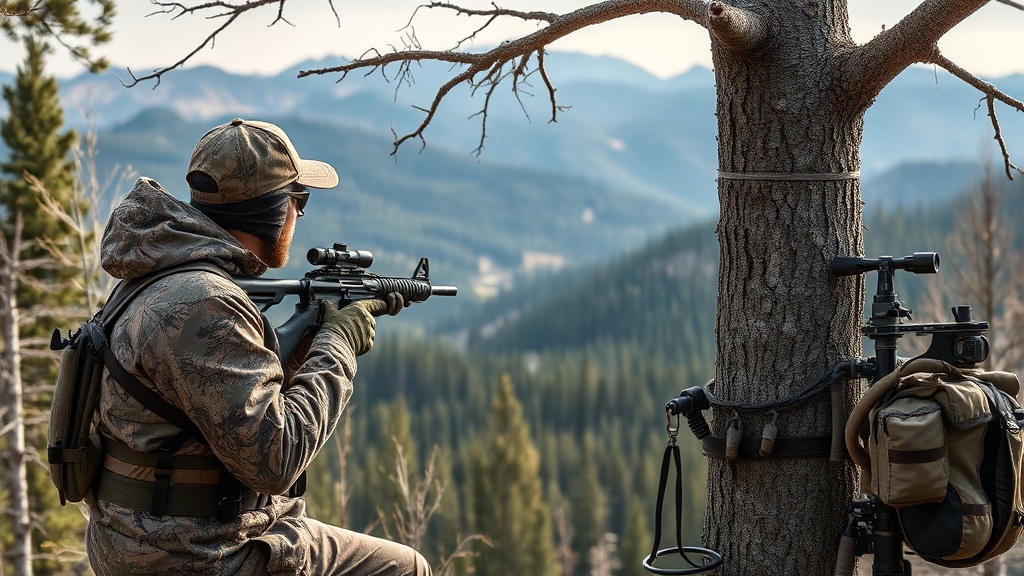 For mule deer in the central mountains and southern foothills, spot-and-stalk is the dominant approach. Set up on a high vantage point at first light and glass sagebrush slopes, aspen benches, and timbered edges with binoculars and a spotting scope. Once you locate a buck, use the terrain to plan a stalk, keeping wind direction in mind. Mule deer in Idaho’s rugged country often bed in heavy cover on north-facing slopes during the day and feed on open south-facing hillsides at dawn and dusk.
For whitetail in the Panhandle, stand hunting over trails, creek crossings, and field edges is more effective. Whitetail in this region behave similarly to their counterparts in the Midwest, using thick timber for security cover and moving along predictable corridors. During the rut in November, calling and rattling can draw bucks into range.
In the backcountry wilderness units, expect multi-day pack-in hunts with limited trail access. Physical conditioning is critical, and hunters should be prepared to pack meat over long distances on foot or with stock animals.
Gear Considerations
Idaho’s elevation range and weather patterns demand versatile gear. Early-season archery hunts can be warm and dry, while late-season rifle hunts in the mountains regularly bring snow, freezing rain, and bitter cold. Layering is the key to comfort and safety.
Key gear for Idaho deer hunting includes:
- A versatile rifle in calibers such as .270, .308, 6.5 Creedmoor, or .30-06, capable of precise shots from close timber ranges to open basin crossings
- Rugged, waterproof hunting boots with aggressive tread for steep mountain terrain and loose shale
- Quality binoculars (10x42 is standard) and a compact spotting scope for glassing open country
- A durable hunting backpack with a frame capable of hauling boned-out meat from the backcountry
- Rain gear and insulated layers rated for mountain weather, including a packable down jacket for cold glassing sessions
For detailed gear recommendations, visit the gear hub and the best hunting boots guide.
Plan Your Hunt
Idaho deer hunting offers everything from accessible day hunts near major roads to multi-day backcountry expeditions in true wilderness. The key to success is matching your fitness level, gear, and expectations to the unit you choose. These resources will help:
- Whitetail Deer Hunting Guide – biology, behavior, and general strategies
- Idaho Location Hub – overview of hunting in the Gem State
- Scouting Basics – how to read sign and pattern deer
- First-Time Hunter Checklist – everything you need before your first hunt
Explore Related Topics:
Notice an update we should make?
We strive for accuracy. Contact us here if you see incorrect or outdated info on this page.