Georgia is one of the top whitetail deer hunting destinations in the southeastern United States. Mature bucks across the state typically weigh 150–300 lbs (bucks), 90–200 lbs (does), with the heaviest deer coming from the Piedmont and Coastal Plain regions. The state supports a robust deer herd spread across diverse terrain, from the Blue Ridge Mountains in the north through the rolling Piedmont region and down into the expansive Coastal Plain and river swamps of the south. Whether you hunt hardwood ridges near Atlanta, agricultural fields around Macon, or bottomland swamps near Savannah, Georgia offers a long season and generous bag limits that keep hunters coming back year after year.
| Season Type | Opens | Closes | Notes |
|---|---|---|---|
| Archery | September 13, 2025 | October 10, 2025 | Statewide archery-only season. Bows and crossbows permitted. Either sex. |
| Primitive Weapons | October 11, 2025 | October 17, 2025 | Primitive weapons season. Muzzleloaders, bows, crossbows, and certain handguns permitted. |
| General Gun | October 18, 2025 | January 10, 2026 | Firearms deer season. All legal weapons permitted. Antlerless deer harvest varies by county. |
| Youth | September 6, 2025 | September 7, 2025 | Youth deer hunting weekend. Hunters 15 and under with licensed adult supervision. |
The Georgia Department of Natural Resources (GADNR) manages the state’s deer population through carefully structured seasons and harvest regulations. Georgia consistently ranks among the top states in the Southeast for total deer harvest, and the diversity of habitat means you can find huntable populations in nearly every county. The state’s mild climate extends the season well into winter, giving hunters more time in the field than many northern states.
Before heading afield, always verify current rules with the GADNR. Regulations can change from year to year, and specific Wildlife Management Areas (WMAs) may have their own restrictions on weapons, bag limits, and access dates.
Season Overview
Georgia’s deer season is one of the longest in the country. Archery season typically opens in early to mid-September, giving bowhunters several weeks of exclusive access before firearms hunters enter the woods. Firearms season generally runs from mid-October through mid-January, with muzzleloader opportunities woven in at various points during the fall and winter.
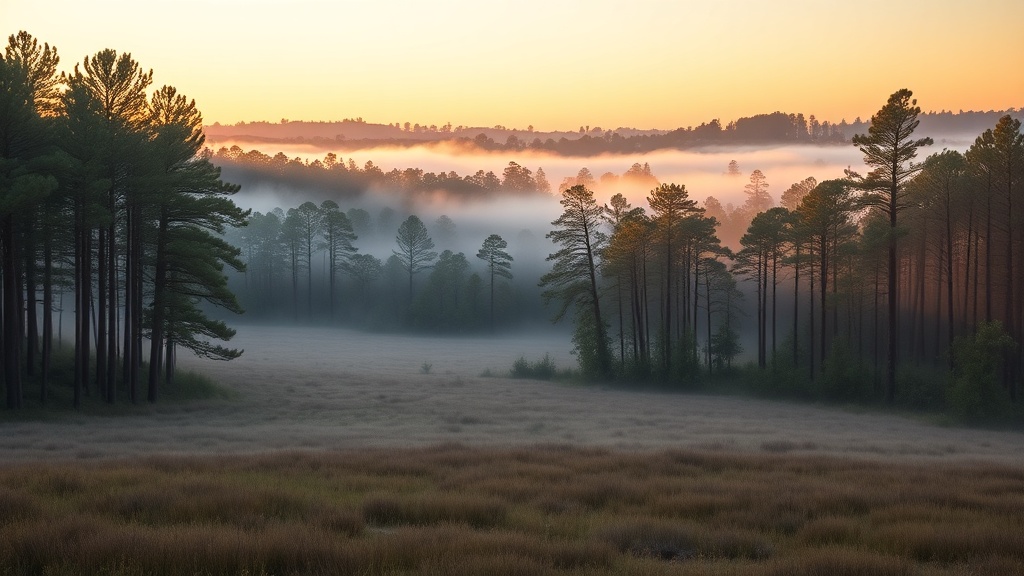 The timing works in hunters’ favor. Early archery season coincides with warm weather and predictable food-source patterns, while the November rut brings peak buck movement across much of the state. Late-season hunts in December and January can be productive on food plots and agricultural fields as deer concentrate on remaining food sources.
For the most current season structure and zone-specific dates, check the Georgia hunting season page.
Licensing and Tags
All deer hunters in Georgia need a valid hunting license and a big game license. Residents and nonresidents have separate license options, and youth hunters may qualify for reduced fees. No individual deer tags are required in Georgia; instead, hunters must record each harvest electronically through the GADNR’s Game Check system on the same day the deer is taken. Residents can expect to pay $15.00 for a resident hunting license, while nonresidents should budget for the higher $200.00 nonresident fee.
Additional permits may be required for hunting on certain WMAs, including quota hunt permits that are awarded through a lottery system. Some WMAs also require a free WMA license on top of the standard licenses.
For a full breakdown of what you need and how to purchase your license, visit the Georgia hunting license guide.
Regulations Highlights
Georgia’s deer hunting regulations vary by zone, so it is important to know which part of the state you plan to hunt. Key rules to be aware of include:
 <strong>Season limit:</strong> 12
- Bag limits differ between regions and may include either-sex days that determine when antlerless deer can be taken.
- Antler restrictions apply in some areas, requiring bucks to have a minimum number of points or antler spread.
- Legal weapons vary by season. Archery, firearms, and muzzleloader seasons each have specific equipment requirements.
- Blaze orange is required during firearms deer season on public land.
- Baiting regulations have specific rules about the use of feed and attractants that vary by land type.
Hunters must check all harvested deer through the electronic game check system within the required timeframe. For complete details on all rules, see the Georgia hunting regulations page.
Where to Hunt
Georgia offers extensive public hunting land through its WMA system and national forests. Some of the best areas for whitetail deer include:
- Oconee National Forest – Located in the Piedmont region between Atlanta and Macon, this forest provides thousands of acres of mixed hardwoods and pine with solid deer numbers.
- Chattahoochee National Forest – Spread across the Blue Ridge Mountains in north Georgia, this rugged terrain holds mountain deer and offers a true backcountry hunting experience.
- Chickasawhatchee WMA – A large WMA in southwest Georgia known for mature bucks and good deer densities on agricultural-edge habitat.
- B.F. Grant WMA – A popular Piedmont WMA with managed habitat that consistently produces quality deer.
- Altamaha WMA – Located along the Altamaha River in the Coastal Plain, this area features bottomland hardwoods and swamp habitat that hold good deer numbers.
For more options and details on accessing public land across the state, see the Georgia land access guide.
Tactics and Strategies
Hunting strategies in Georgia depend heavily on the region and time of season.
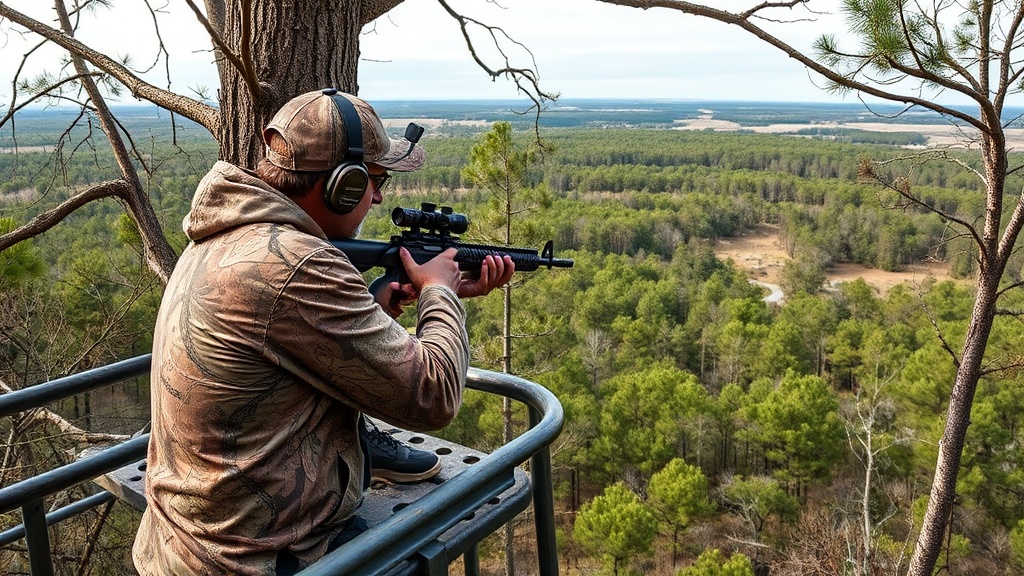 Piedmont and Coastal Plain. Much of Georgia’s best deer hunting takes place on relatively flat terrain with a mix of pine plantations, hardwood bottoms, and agricultural fields. Stand hunting over food sources – particularly oak flats, food plots, and field edges – is the most common approach. During the rut, setting up on funnels between bedding and feeding areas or along creek bottoms can be highly effective.
Blue Ridge Mountains. Deer densities are lower in the mountains, but the terrain creates natural travel corridors along ridgelines, saddles, and benches. Still-hunting and spot-and-stalk methods work well in this steep, open hardwood terrain. Focus on acorn-producing ridges during the early season.
River swamps and bottomlands. Hunting deer in Georgia’s river swamps requires knowledge of water levels and access points. Deer in these areas often travel narrow ridges and levees between flooded timber. Elevated stands along travel corridors between bedding and feeding areas are the go-to setup.
Across all regions, the rut peaks from late October through November in most of Georgia. Rattling, grunt calls, and doe bleats can pull bucks off their travel routes during this window.
Gear Considerations
Georgia’s warm climate means lightweight, breathable clothing is essential for early-season hunts in September and October. Temperatures can still reach the 80s and 90s during early archery season, so moisture-wicking base layers and insect protection are priorities.
As the season progresses into late fall and winter, layering becomes more important. Mornings can be cold, especially in the mountains, but midday temperatures often warm considerably. A versatile layering system lets you adjust throughout the day.
Footwear should match your terrain. Rubber boots are a smart choice for swamp and bottomland hunts to manage scent and keep your feet dry. For mountain hunts, sturdy hunting boots with ankle support and good traction are essential on steep slopes.
A quality climber or hang-on treestand is standard equipment for Georgia deer hunting, as most hunting takes place from elevated positions. Always use a full-body safety harness. For additional gear recommendations, browse the gear section.
Plan Your Hunt
Georgia’s combination of long seasons, generous limits, and diverse terrain makes it a prime destination for whitetail hunters at every experience level. Use these resources to pull your hunt together:
- Whitetail Deer Hunting Guide – Biology, behavior, and core tactics
- Georgia Location Hub – Overview of hunting opportunities across the state
- Scouting Basics – How to read sign and choose your setup
- First-Time Hunter Checklist – Everything you need before opening day
Explore Related Topics:
Notice an update we should make?
We strive for accuracy. Contact us here if you see incorrect or outdated info on this page.