California offers a unique deer hunting experience defined by its vast geographic diversity and two distinct deer species. While whitetail deer in other states typically weigh 150–300 lbs (bucks), 90–200 lbs (does), California’s primary quarry are mule deer and Columbian blacktail deer. Mule deer are the primary quarry across most of the state, inhabiting the Sierra Nevada, Coast Ranges, high desert plateaus, and interior valleys. In the northwestern counties, Columbian blacktail deer occupy the dense, rain-soaked forests of the Coast Range and Klamath Mountains. The California Department of Fish and Wildlife (CDFW) manages deer populations through a zone-based tag system that distributes harvest across dozens of deer hunting zones.
Hunters based near Sacramento, Los Angeles, or San Francisco can access productive deer country within a few hours’ drive, though California deer hunting generally requires more physical effort and careful planning than in many eastern states. Deer densities are typically lower than in the Midwest or Southeast, and the terrain can be rugged and demanding. However, the reward is hunting in some of the most scenic landscapes in North America, often in a setting of genuine backcountry solitude.
California’s deer hunting regulations are detailed and zone-specific, so hunters must study the zone they plan to hunt carefully. Always verify current rules through the CDFW before making plans, as zone boundaries, tag quotas, and season dates can change.
Season Overview
California structures its deer season around dozens of individual hunting zones, each with its own opening and closing dates. In general, archery seasons open earliest, with some zones opening as early as mid-July in parts of the state. General rifle seasons for various zones span from mid-August through late November, depending on the zone. Muzzleloader-only opportunities are available in select zones, typically running concurrent with or adjacent to general seasons.
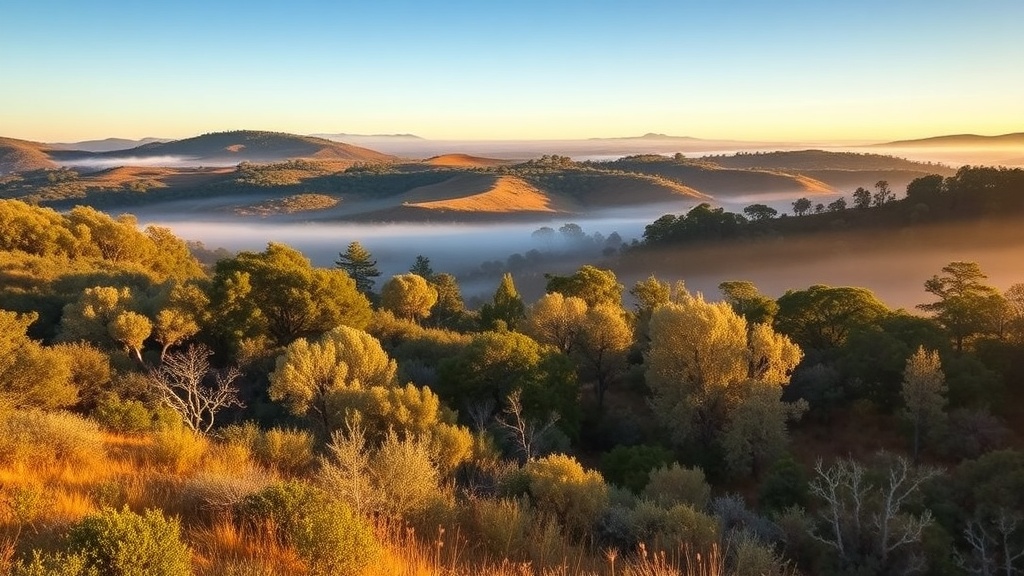 The A Zone, which covers much of the coastal and inland range, is the most popular zone and allows either-sex harvest. Interior and Sierra zones tend to open later, often in September or October. Some premium zones operate on a shorter season window with limited tags.
Blacktail zones in the northwest generally open in mid-August to early September and close by late September or October. These zones often have more generous tag availability than the high-demand mule deer zones.
For the current zone map and season dates, visit the California hunting seasons page.
Licensing and Tags
California uses a tag draw system for most deer hunting zones. Hunters must first possess a valid hunting license, then apply for deer tags through the CDFW’s draw process. First-choice and second-choice zone preferences are submitted during the application period, which typically opens in the spring. Draw results are announced before the earliest zones open. Residents can expect to pay $55.63 for a resident hunting license, while nonresidents should budget for the higher $194.08 nonresident fee.
Some zones, particularly the A Zone for blacktail deer, are available as over-the-counter tags or have a very high draw success rate, making them accessible options for hunters who do not draw their preferred zone. Premium zones with limited tags and high trophy potential may have extremely low draw odds, and preference points accumulate over unsuccessful application years.
Archery-only tags, junior tags, and apprentice hunter licenses are also available. Nonresidents may apply for the same zones but should be prepared for higher fees and potentially different draw odds.
For complete information on license types, tag applications, and the draw process, see the California hunting license guide.
Regulations Highlights
California’s deer regulations are zone-specific and more detailed than in most states. Each zone has designated legal weapons, bag limits (typically one deer per tag), and antler requirements. Many zones are buck-only, requiring a minimum number of antler points or a forked-horn minimum. A few either-sex zones exist, primarily in the A Zone.
 Lead ammunition is prohibited for all hunting in California. Hunters must use non-lead projectiles for both rifle and muzzleloader hunts. This applies statewide and is strictly enforced. Archery equipment must meet minimum draw weight and broadhead requirements.
Tagging and reporting requirements are mandatory. Deer must be tagged immediately upon harvest, and hunters must report their harvest through the CDFW’s reporting system. Interstate transport of deer is subject to CWD-related restrictions from certain states.
Hunters should also be aware of fire restrictions and closures on national forest and BLM land during the early season, as these can affect access to hunting areas, particularly in August and September.
Review all applicable rules on the California hunting regulations page.
Where to Hunt
California has millions of acres of public land managed by the U.S. Forest Service, Bureau of Land Management, and state agencies, providing extensive deer hunting access. Top areas include:
Mendocino National Forest – One of the most popular deer hunting destinations in the state, this forest in the northern Coast Range holds both blacktail and mule deer. The mix of oak woodland, chaparral, and conifer forest creates ideal deer habitat, and the forest is relatively accessible from Sacramento.
Shasta-Trinity National Forest – Northern California’s largest national forest covers over two million acres of diverse terrain, from low-elevation oak savanna to high-altitude timber. Blacktail inhabit the western slopes while mule deer use the higher eastern reaches.
Los Padres National Forest – Stretching along the central and southern Coast Ranges, this forest offers mule deer hunting in steep, chaparral-covered terrain. It is the primary public land option for Southern California hunters.
Plumas National Forest – Located on the northern Sierra Nevada, Plumas offers a mix of mule deer habitat in open pine forests and meadow edges. The area is less crowded than some coastal zones and provides good access via forest roads.
BLM Lands in the High Desert – The Bureau of Land Management administers millions of acres in the eastern and northeastern portions of the state. Modoc County, Lassen County, and the Warner Mountains offer mule deer hunting in sagebrush steppe and juniper woodland, with far less competition than the popular western zones.
For details on public land access and maps, visit the California land access guide.
Tactics and Strategies
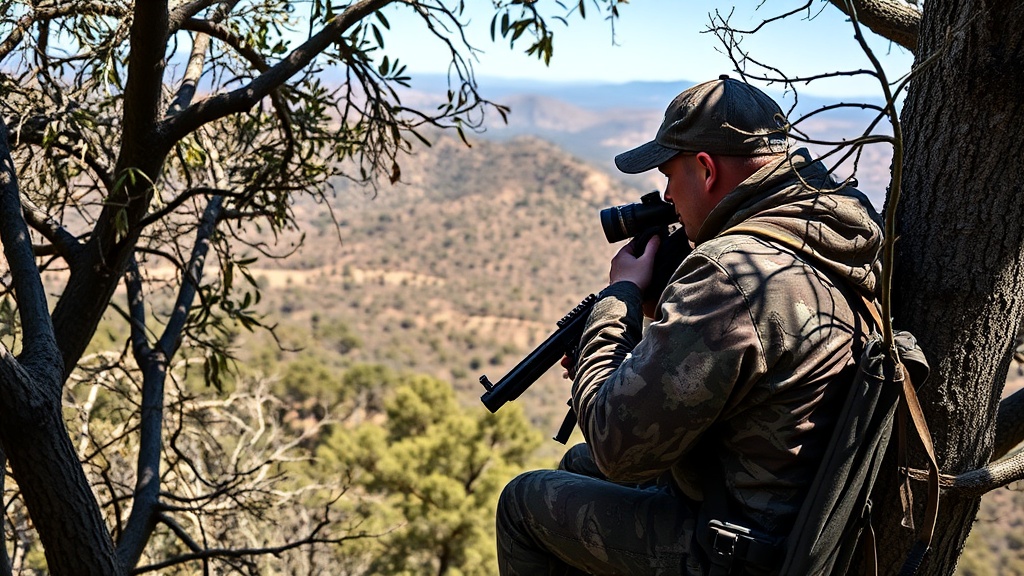
Deer hunting tactics in California vary dramatically by region and species. For mule deer in the Sierra Nevada and high desert, spot-and-stalk is the dominant method. Hunters glass open hillsides, meadow edges, and basins at first and last light, then plan a stalk based on wind and terrain. High vantage points and quality optics are essential in this open country. Mule deer often bed in visible locations on ridgelines or in scattered timber, making them susceptible to patient glassing.
 Blacktail hunting in the northwest is a different challenge entirely. The dense, brushy coastal forests limit visibility and favor still-hunting, where hunters move slowly through timber and clearcuts, watching for deer at close range. Blacktail are notoriously skittish and tend to inhabit thick cover, so hunters must be ready for quick shots at short distances.
Early-season hunts in August and September can coincide with extreme heat, so many successful California hunters focus their efforts on the first and last hours of daylight and hunt near water sources. As the season progresses into October and November in the later zones, cooling temperatures increase deer movement throughout the day. Scouting water sources, wallows, and saddles along migration routes is a consistently effective approach in California’s arid landscapes.
Gear Considerations
California’s deer season spans hot early-season conditions in July and August through cool late-fall hunts in November. Early-season hunters need lightweight, breathable clothing, sun protection, and a reliable hydration system. Late-season hunters in the Sierra or northern mountains should bring layered insulation for cold mornings and potential weather changes at elevation.
A flat-shooting rifle is valuable in the open terrain common to mule deer hunting, and cartridges like .270 Winchester, 6.5 Creedmoor, or .308 are popular choices. Remember that all ammunition must be non-lead in California, so hunters should pattern and zero their rifles with approved non-lead bullets well before the season. See our deer hunting rifles guide for detailed options.
Sturdy, broken-in boots are essential for the steep, rocky terrain found across most of California’s deer country. A quality backpack, GPS unit, and binoculars (10x42 or higher) are standard equipment. Hunters in remote backcountry areas should carry fire-starting supplies, a first-aid kit, and enough water or a filtration system for multi-day trips.
Explore the full gear reviews section for more recommendations.
Plan Your Hunt
California deer hunting demands more preparation and scouting than many other states, but the payoff is hunting in world-class terrain with a real chance at a quality buck. Use these resources to get started:
- Deer Hunting Guide – General deer biology, behavior, and hunting strategies
- California Location Hub – Statewide hunting opportunities and regional overview
- Scouting Basics – How to read terrain and find deer before the season
- First-Time Hunter Checklist – Essential preparation for new hunters
Explore Related Topics:
Notice an update we should make?
We strive for accuracy. Contact us here if you see incorrect or outdated info on this page.