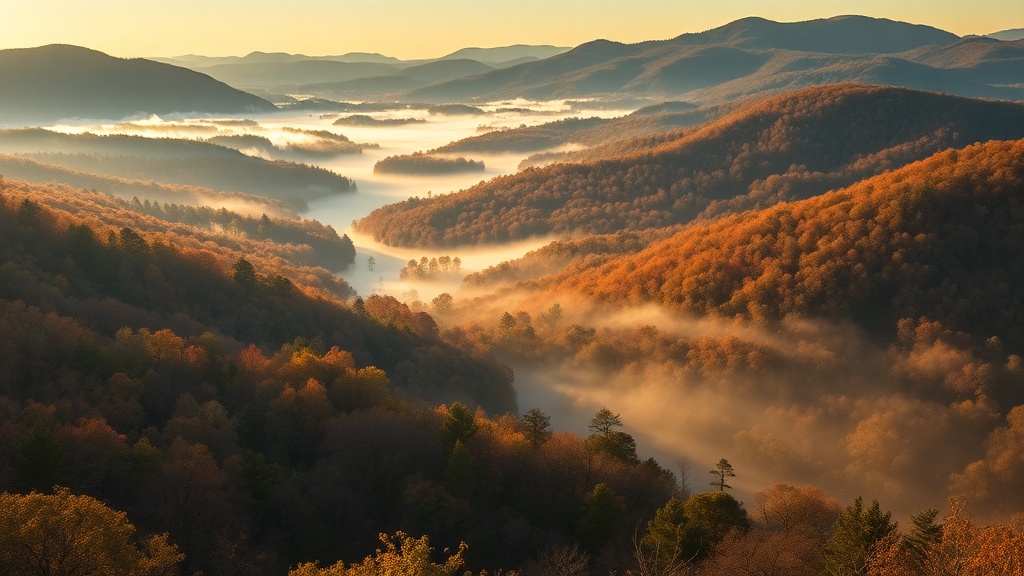
Arkansas offers a deeply rooted deer hunting tradition spread across some of the most diverse terrain in the South. Mature whitetails in the state typically weigh 150–300 lbs (bucks), 90–200 lbs (does), with bucks from the agricultural Delta region often reaching the upper end of that range. From the hardwood-covered ridges of the Ozark Mountains in the northwest to the bottomland hardwood forests of the Delta in the east, the state provides whitetail habitat that ranges from rugged mountain hunting to flat, agricultural lowland hunting. The Arkansas Game and Fish Commission (AGFC) manages the deer herd through zone-based regulations, structured seasons, and habitat improvement programs that have steadily built the state’s deer population and quality over the past several decades.
| Season Type | Opens | Closes | Notes |
|---|---|---|---|
| Archery | September 27, 2025 | February 28, 2026 | Statewide archery season. Bows and crossbows permitted. One of the longest archery seasons in the country. |
| General Gun | November 8, 2025 | December 7, 2025 | Modern gun deer season. Centerfire rifles, shotguns, and handguns permitted. |
| Muzzleloader | October 18, 2025 | October 26, 2025 | Muzzleloader-only season between archery and modern gun. |
| Youth | November 1, 2025 | November 2, 2025 | Youth deer gun weekend. Hunters 15 and under with adult supervision. |
Whitetail deer are the only deer species in Arkansas, and they are found in every county. The Ozark and Ouachita mountain regions of the western half of the state feature public forest land with challenging terrain and respectable buck quality. The Arkansas River valley provides a transition zone between the mountains and the Delta, while the eastern lowlands around Jonesboro and the Gulf Coastal Plain offer flat, agricultural hunting with high deer densities. Hunters near Little Rock, Fayetteville, and Jonesboro all have access to productive deer country.
Always confirm current season dates, bag limits, and legal requirements through the official AGFC regulations before heading to the field. Arkansas uses a zone system for deer management, and rules vary by zone.
Season Overview
Arkansas provides a long deer season with multiple weapon types and zone-based frameworks. Archery season typically opens in late September and runs through the end of February, offering one of the longest bowhunting seasons in the country. The modern gun season is usually split into segments, with an early portion in November and a later portion running into December or beyond. Muzzleloader season generally falls in October and again in late season. Special youth-only gun hunts provide younger hunters with early access before the general firearms opener.
 The timing of specific segments varies by deer zone, and some zones have additional restrictions or opportunities. The rut activity in Arkansas generally peaks from mid-November into early December, depending on the region.
For full season details, visit the Arkansas hunting seasons page.
Licensing and Tags
Arkansas requires all deer hunters to hold a valid hunting license. Residents purchase a resident hunting license, and nonresidents need a nonresident all-game license or a five-day trip license depending on their plans. In addition to the base hunting license, all deer hunters are required to have the appropriate deer tags or permits. Residents can expect to pay $10.50 for a resident hunting license, while nonresidents should budget for the higher $350.00 nonresident fee.
Arkansas uses a zone-based buck limit system, with most zones allowing two or three bucks per season. Antlerless deer harvest is regulated by zone and may require a bonus antlerless deer permit in some areas. There is no draw or lottery system for deer tags in Arkansas, making the state accessible to both residents and nonresidents without waiting periods.
For a full breakdown of license types and purchasing options, see the Arkansas hunting license guide.
Regulations Highlights
Arkansas deer regulations vary by zone and weapon type. Key rules to understand include:
 <strong>Season limit:</strong> 6
- Bag limits: Buck limits are zone-specific, typically two or three per season. Antlerless deer harvest is regulated by zone, and some areas require bonus tags.
- Antler restrictions: Some zones have antler restrictions requiring a minimum number of points or a minimum main beam length for legal buck harvest. Always check the rules for the specific zone you plan to hunt.
- Legal weapons: Rifles, shotguns, handguns, muzzleloaders, and archery equipment including crossbows are legal during their respective seasons. Modern gun season allows a wide variety of centerfire rifles.
- Blaze orange: Required during gun and muzzleloader deer seasons. A minimum amount of blaze orange visible from all directions is mandated.
- Tagging and reporting: All harvested deer must be tagged immediately and checked in through the AGFC’s online or phone reporting system before the deer is processed.
- CWD management: Arkansas has CWD management zones with mandatory sampling and carcass movement restrictions in certain areas.
Review the full set of rules on the Arkansas hunting regulations page.
Where to Hunt
Arkansas has extensive public land for deer hunting, including national forests, wildlife management areas, and national wildlife refuges. Top public land destinations include:
Ozark National Forest – Covering over a million acres in the Ozark Mountains of northwest Arkansas, this national forest offers ridgetop and hollow hunting in mature oak-hickory timber. The rugged terrain limits pressure and holds quality bucks.
Ouachita National Forest – Spanning a large area of west-central Arkansas, the Ouachita Mountains feature pine-hardwood forests, rocky ridges, and stream corridors that provide excellent deer habitat with relatively low hunting pressure.
White River National Wildlife Refuge – In the Delta bottomlands of eastern Arkansas, this refuge encompasses vast tracts of flooded timber and bottomland hardwoods. Deer densities can be high, and the unique environment offers a different style of hunting.
Camp Robinson Wildlife Management Area – Located near Little Rock, this large WMA provides convenient access to a mix of Ouachita Mountain foothills and river bottom habitat. It is one of the most popular public hunting areas in the state.
Bayou Meto Wildlife Management Area – In the Arkansas River valley and Delta, Bayou Meto is known primarily for waterfowl, but it also holds whitetails in the timber and agricultural edges surrounding the flooded fields.
For more on public and private land access options, visit the Arkansas hunting land page.
Tactics and Strategies
Deer hunting tactics in Arkansas depend heavily on the region. In the Ozark and Ouachita Mountains, hunters work ridgelines, saddles, and benches where bucks travel between bedding and feeding areas. Oak ridges with mast production are magnets during early season. Still-hunting through mature hardwoods during midday, when bucks may be bedded on benches below ridgetops, can be effective, though the terrain demands careful movement and awareness of thermals.
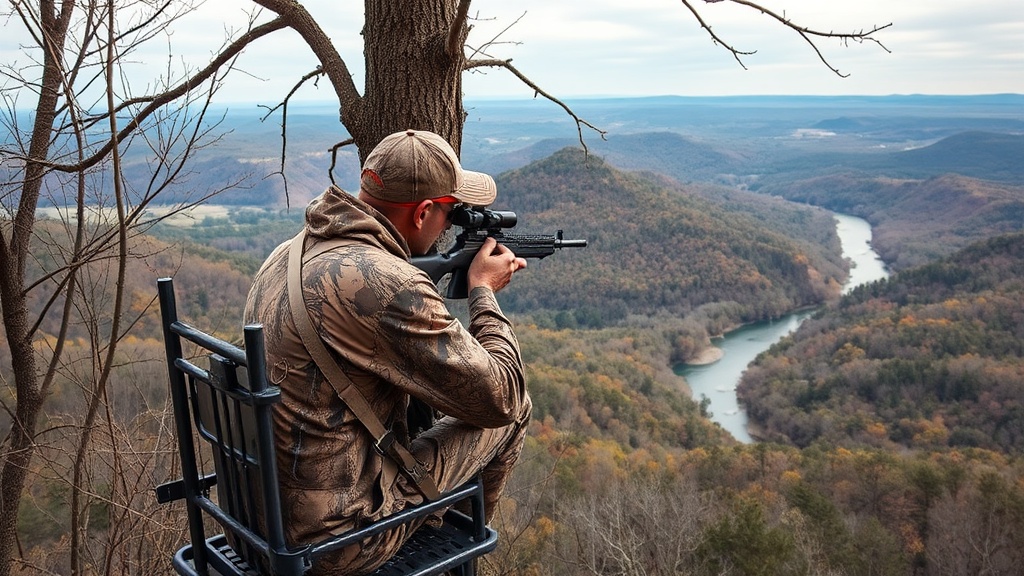 In the Arkansas River valley and Delta bottomlands, the landscape shifts to flat, agricultural ground interspersed with hardwood timber and sloughs. Hunting field edges, timber-to-crop transitions, and levee roads is the primary approach. Treestand hunting along travel corridors between bedding areas in thick bottoms and feeding areas in crop fields accounts for most of the deer taken in the lowlands.
During the rut, which typically peaks between mid-November and early December, grunt calling, rattling, and decoying become viable across the state. Bucks in the hill country tend to follow terrain features when cruising for does, while lowland bucks travel creek channels and timber edges. All-day hunting during the rut window is worthwhile in Arkansas, as buck movement can occur at any time.
Gear Considerations
Arkansas deer seasons run from early fall warmth through late winter, so versatile gear is important. Early-season hunts in September and October can be hot and humid, while late-season hunts in January and February may bring cold, wet conditions, particularly in the mountains.
Key gear for Arkansas deer hunting includes:
- A versatile rifle chambered in .308, .30-06, .270, or similar calibers handles all the terrain types in Arkansas. Shotguns with slugs work well in the thick Delta timber where shots are close.
- Waterproof hunting boots suited to muddy bottoms and rocky mountain terrain
- Lightweight, moisture-wicking clothing for warm early-season hunts, with insulated layers for cold late-season outings
- A portable treestand or climbing stand, as stand hunting is effective in both the mountains and the lowlands
- Binoculars for glassing open ridges and field edges
- Blaze orange outerwear for firearms seasons
- A quality field-dressing kit and game bags for transporting meat in warm conditions
For detailed gear recommendations, visit the gear hub and the best deer hunting rifles guide.
Plan Your Hunt
Arkansas offers accessible, diverse whitetail deer hunting across dramatically different terrain types. Whether you prefer the challenge of mountain hunting or the tradition of Delta bottomland hunting, the state has something to offer. Use these resources to build your hunt plan:
- Whitetail Deer Hunting Guide – Biology, behavior, and general strategies
- Arkansas Location Hub – Overview of hunting opportunities across the state
- Scouting Basics – How to read sign and choose stand sites
- First-Time Hunter Checklist – Everything you need before your first hunt
Explore Related Topics:
Notice an update we should make?
We strive for accuracy. Contact us here if you see incorrect or outdated info on this page.