Alabama is one of the most deer-rich states in the Southeast, offering whitetail hunting across a long season with generous bag limits. White-tailed deer, which typically weigh 150–300 lbs (bucks), 90–200 lbs (does), thrive across every region of the state. The state’s landscape ranges from the Appalachian foothills and hardwood ridges of the northern tier through the fertile Black Belt prairie in the central region to the Gulf Coastal Plain and river bottomlands of the south. Each zone supports healthy deer populations, and Alabama’s mild climate allows for an extended season that stretches from fall well into winter.
| Season Type | Opens | Closes | Notes |
|---|---|---|---|
| Archery | October 15, 2025 | February 10, 2026 | Statewide archery season. Bows and crossbows permitted. Either sex. |
| General Gun | November 22, 2025 | February 10, 2026 | Firearms season. Dates and antlerless harvest vary by zone. |
| Muzzleloader | November 3, 2025 | November 14, 2025 | Muzzleloading rifle season between archery and gun seasons. |
| Youth | October 11, 2025 | October 13, 2025 | Youth deer hunting weekend. Hunters 15 and under with adult supervision. |
The Alabama Department of Conservation and Natural Resources (ADCNR) manages the state’s deer herd through zone-based seasons, bag limits, and a system of Wildlife Management Areas that provide public hunting access. Alabama’s combination of long seasons, liberal harvest opportunities, and diverse terrain makes it a top-tier destination for whitetail hunters. The Black Belt region in particular is nationally recognized for producing trophy-class bucks thanks to its rich soils and agricultural habitat, while the river bottomlands of the Mobile-Tensaw Delta offer a uniquely Southern hunting experience.
Always verify current season dates, bag limits, and legal requirements through the official ADCNR regulations before heading afield. Rules can change from year to year and may vary by zone and county.
Season Overview
Alabama provides one of the longest deer seasons in the country, with hunting opportunities spanning from mid-October through early February in some zones. Bow season typically opens in mid-October, and the general gun season usually starts in mid-November and runs through the end of January or into early February, depending on the zone. A muzzleloader season is also included, and special dog hunting seasons are available in certain zones.
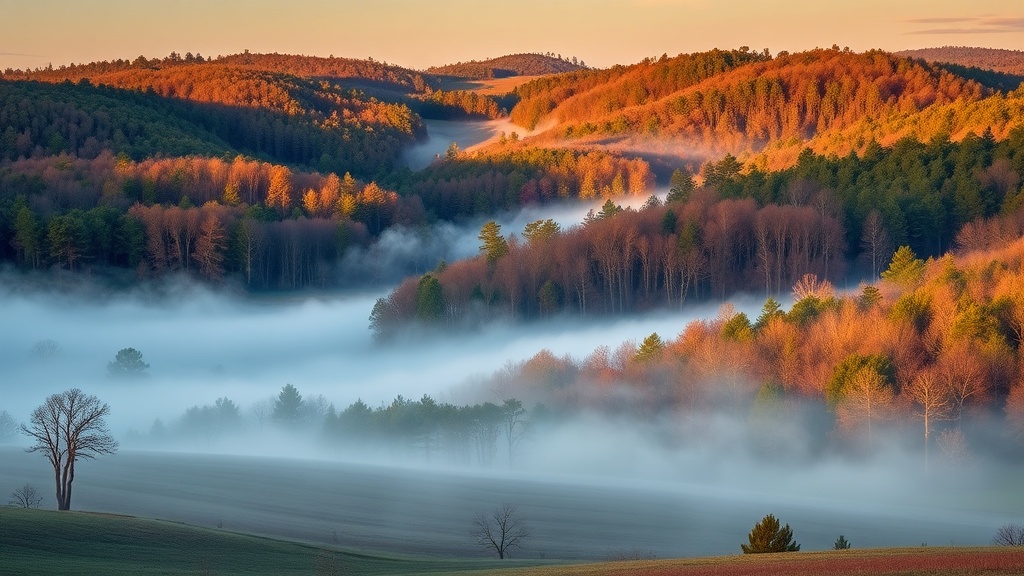 Youth deer hunting weekends provide early access before the general firearms opener. Alabama’s season structure is divided into multiple zones, and the exact opening and closing dates differ among them. The extended season window covers the pre-rut, peak rut, and post-rut periods, which vary in timing from north to south across the state. The rut generally peaks earlier in the northern zones and later in the southern coastal areas.
For full season details, visit the Alabama hunting seasons page.
Licensing and Tags
To hunt deer in Alabama, you need a valid Alabama hunting license. Residents purchase a resident all-game hunting license, while nonresidents need a nonresident all-game hunting license or a nonresident trip license. Alabama does not use a tag system in the same way as some western states; instead, deer harvest is governed by daily and seasonal bag limits that are tracked through the state’s Game Check system. Residents can expect to pay $26.30 for a resident hunting license, while nonresidents should budget for the higher $326.30 nonresident fee.
Alabama also offers a wildlife heritage license that bundles hunting and fishing privileges. Youth, senior, and disabled licenses are available. Landowner licenses are available for qualifying residents hunting on their own property in their county of residence.
For a complete breakdown of license types and how to purchase them, see the Alabama hunting license guide.
Regulations Highlights
Alabama deer hunting regulations are organized by zone. Key rules to be aware of include:
 <strong>Season limit:</strong> 3
- Bag limits: Alabama allows a generous seasonal bag limit, with separate limits for antlered bucks and antlerless deer. The daily bag limit for bucks is typically one per day, with a season limit that varies by zone. Antlerless harvest is also regulated by zone.
- Antler restrictions: Some zones and WMAs enforce antler restrictions that require bucks to meet a minimum number of points or antler spread. Check the specific rules for your hunting zone.
- Legal weapons: Rifles, shotguns, handguns, muzzleloaders, and archery equipment (including crossbows) are legal during their respective seasons. There are no caliber restrictions for rifles during the general gun season.
- Dog hunting: Alabama allows deer hunting with dogs in certain zones and during specific portions of the season. Dog hunting is deeply rooted in Alabama’s hunting culture but is restricted by area and timeframe.
- Game Check: All harvested deer must be reported through Alabama’s mandatory Game Check system (online, app, or phone) before moving the deer from the harvest location.
Review the full set of rules on the Alabama hunting regulations page.
Where to Hunt
Alabama has a network of WMAs, national forests, and other public lands open to deer hunting. Key areas include:
- Bankhead National Forest – Located in the northern part of the state in the Appalachian foothills, Bankhead offers quality whitetail hunting in mixed hardwood and pine forests along steep ridges and creek bottoms.
- Black Warrior WMA – Situated in the western part of the state, this WMA encompasses a mix of habitat types and is known for producing quality bucks in the transition zone between the Piedmont and Coastal Plain.
- Oakmulgee WMA – One of the larger WMAs in Alabama, Oakmulgee is located in the Black Belt region and offers deer hunting in the fertile habitat that produces some of the state’s best bucks.
- Barbour WMA – In southeastern Alabama, Barbour WMA provides deer hunting in a Coastal Plain pine and hardwood habitat. Dog hunting is permitted during designated portions of the season.
- Mobile-Tensaw Delta – The vast river delta near Mobile offers a unique hunting experience in flooded timber and bottomland hardwoods. Access is primarily by boat, and deer hunting the delta’s islands and ridges can be highly productive.
Many WMA hunts in Alabama are open access, though some require special draw permits for quality deer management hunts. Learn more about access options on the Alabama hunting land page.
Tactics and Strategies
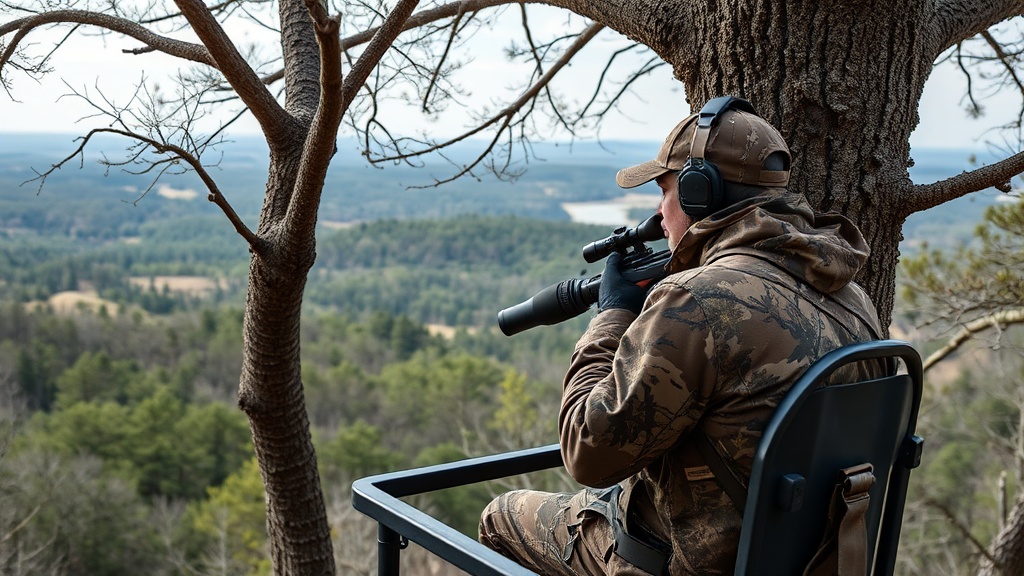
Deer hunting tactics in Alabama vary by region and terrain. In the Appalachian foothills of the northern tier, treestand hunting along ridgelines, hollow edges, and hardwood creek bottoms is the primary approach. Deer travel predictable routes along terrain breaks, and hunting these funnels during the rut is a proven strategy. Rattling and calling can be effective during the peak breeding period, which typically occurs in January in the northern zones.
 In the Black Belt, the rich agricultural landscape creates classic Southern deer hunting opportunities. Standing over food plots, agricultural field edges, and hardwood drains that connect feeding and bedding areas is consistently productive. The Black Belt’s fertile soils produce abundant native browse and agricultural crops, which translates to larger body sizes and heavier antler growth.
Gulf Coastal Plain hunting features a mix of pine plantations, mixed hardwood bottoms, and agricultural fields. Clear-cut edges, creek crossings, and areas of thick cover near food sources are prime stand locations. In the Mobile-Tensaw Delta, boat access is often required, and hunters work the elevated ridges and islands within the floodplain where deer concentrate, particularly during high-water events.
Dog hunting is a significant tradition in parts of Alabama. In zones where it is permitted, organized dog drives push deer through blocks of thick cover toward standers posted along escape routes. This is a social, community-oriented style of hunting that is distinct from still-hunting and stand hunting.
Gear Considerations
Alabama’s long deer season means hunters may face temperatures ranging from the 80s during early bow season to freezing conditions during late-season hunts in January and February. The mild Southern climate also brings frequent rain, so waterproof outerwear is essential. Plan your clothing in layers to adapt to changing conditions.
Key gear for Alabama deer hunting includes:
- A reliable rifle in popular calibers such as .308, .30-06, .270, or 6.5 Creedmoor for firearms season, or a compound bow or crossbow for archery season
- Lightweight, moisture-wicking clothing for warm early-season hunts, with insulated layers for cold late-season sits
- Waterproof hunting boots suited to the terrain, whether rocky northern ridges, Black Belt clay, or wet Delta bottomlands
- Binoculars for glassing field edges and open timber
- Insect repellent and a thermacell for early-season hunts when mosquitoes and gnats are active
- A sharp field-dressing kit and cooler with ice, as warm temperatures in the early season demand prompt meat care
- A boat or kayak for Delta hunting access
For detailed gear recommendations, visit the gear hub and the best deer hunting rifles guide.
Plan Your Hunt
Alabama deer hunting rewards flexibility and knowledge of the specific zone you plan to hunt. The long season allows you to plan around the rut timing in your area, which varies from north to south. Scout early, understand your zone’s regulations, and have a plan for processing your harvest. These resources will help you put a hunt together:
- Whitetail Deer Hunting Guide – biology, behavior, and general strategies
- Alabama Location Hub – overview of hunting in the Heart of Dixie
- Scouting Basics – how to read sign and pattern deer
- First-Time Hunter Checklist – everything you need before your first hunt
Explore Related Topics:
Notice an update we should make?
We strive for accuracy. Contact us here if you see incorrect or outdated info on this page.