Wyoming sits at the intersection of the Central and Pacific flyways, and while it is better known for big-game hunting, the state offers quality waterfowl hunting for species including Mallard, Wood Duck, Pintail, Teal, Canada Goose, Snow Goose on its reservoirs, river systems, pothole lakes, and irrigated agricultural lands. Wyoming’s low human population and vast open spaces mean that waterfowl hunting pressure is light compared to most states, providing uncrowded conditions for hunters who know where to find the birds. The Wyoming Game and Fish Department (WGFD) manages waterfowl seasons in coordination with federal frameworks set by the U.S. Fish and Wildlife Service.
| Season Type | Opens | Closes | Notes |
|---|---|---|---|
| General | October 4, 2025 | January 11, 2026 | Follows USFWS Central Flyway frameworks. Dates vary by zone and species. |
Wyoming’s waterfowl habitats are scattered across the state rather than concentrated in a few large complexes. The North Platte River and its associated reservoirs are among the state’s most important waterfowl corridors. Ocean Lake near Riverton, Yellowtail Reservoir on the Bighorn River, and the small pothole lakes of the Laramie Plains and Bighorn Basin attract migrating and breeding ducks and geese. Agricultural irrigated lands in the eastern plains and river valleys draw feeding waterfowl during fall migration. Casper, Cody, and Sheridan provide access to the state’s most productive waterfowl areas.
Always verify current season dates, bag limits, and flyway-specific regulations through the official WGFD resources before heading afield. Waterfowl regulations are set annually and can change based on population surveys and federal frameworks.
Season Overview
Wyoming’s waterfowl season generally runs from early October through late December or early January, with dates varying by flyway zone. The state is split between the Central and Pacific flyway zones, and season dates, bag limits, and split structures differ between them. An early teal season in September provides the first wing-shooting opportunity of the fall. Youth waterfowl days give young hunters an early start before the general opener.
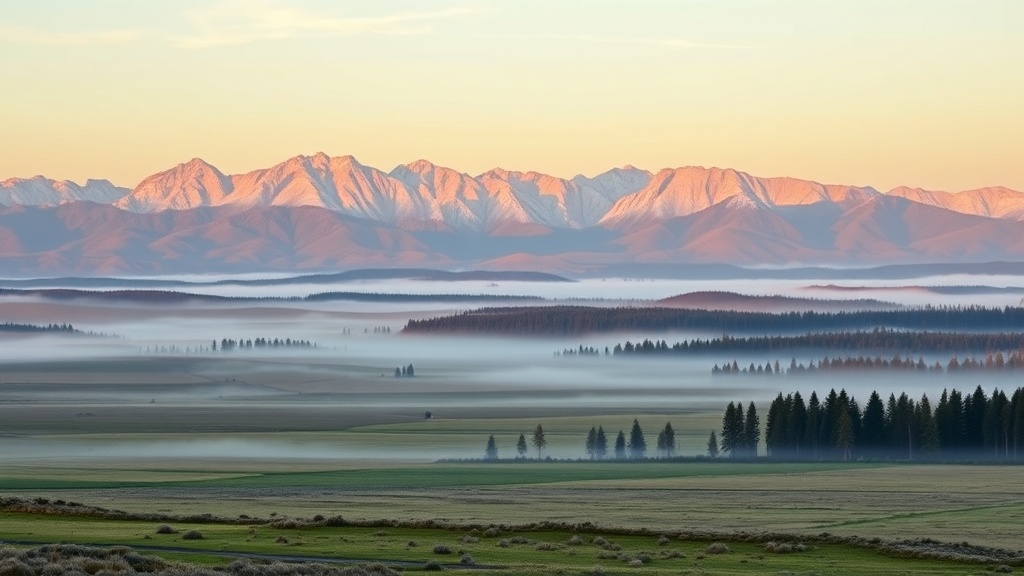 Canada goose seasons may include early seasons to manage resident populations. Light goose conservation orders may extend hunting opportunities for snow geese into late winter. Season structure and length vary between flyway zones, so confirm the dates for the area you plan to hunt.
For full season details, visit the Wyoming hunting seasons page.
Licensing and Tags
Wyoming waterfowl hunting requires a state hunting license, a state waterfowl stamp, and a federal duck stamp. All are available over the counter without a draw, making waterfowl one of the most accessible hunting opportunities in the state. Residents can expect to pay $30.00 for a resident hunting license, while nonresidents should budget for the higher $175.00 nonresident fee.
All waterfowl hunters must register with the Harvest Information Program (HIP) by completing a survey about prior-year waterfowl harvest. HIP registration is a federal requirement and must be completed before hunting.
Nonresidents can purchase Wyoming waterfowl licenses and stamps without entering a lottery. Youth hunters may qualify for reduced-fee licenses and special youth hunting days.
For a complete breakdown of license types and how to purchase them, see the Wyoming hunting license guide.
Regulations Highlights
Wyoming waterfowl regulations follow federal frameworks with state-specific adjustments for each flyway zone. Key rules include:
 <strong>Daily limit:</strong> 6 | <strong>Possession limit:</strong> 18
- Bag limits: Daily bag limits for ducks and geese are set annually by flyway zone. Species-specific restrictions may apply, including limits on hen mallards, pintail, canvasback, and redhead. Goose limits vary by species and zone.
- Non-toxic shot: Federal law requires non-toxic shot for all waterfowl hunting. Lead shot is prohibited.
- Shooting hours: Waterfowl hunting hours are from one-half hour before sunrise to sunset.
- Federal duck stamp: All hunters 16 and older must carry a signed federal duck stamp.
- Plugged shotguns: Shotguns must be plugged to hold no more than three shells total.
- Flyway zones: Wyoming is divided between the Central and Pacific flyway zones. Season dates, bag limits, and species rules may differ between them. Know which zone your hunting area falls within.
- Electronic calls: Prohibited for ducks and geese, though they may be allowed during light goose conservation orders.
Review the full set of rules on the Wyoming hunting regulations page.
Where to Hunt
Wyoming’s waterfowl hunting is spread across reservoirs, rivers, pothole lakes, and agricultural areas. Key areas include:
- Ocean Lake and surrounding wetlands – Near Riverton in the Wind River Basin, Ocean Lake and the adjacent marshes and irrigated lands are one of Wyoming’s top waterfowl destinations. Mallards, gadwall, teal, and Canada geese concentrate here during migration. Public access is available along the shoreline and at designated hunting areas.
- Yellowtail Reservoir (Bighorn Lake) – On the Bighorn River near Lovell, this reservoir attracts migrating ducks and geese in the Bighorn Basin. Boat-based hunting on the reservoir and walk-in hunting along the shoreline provide opportunities for divers and puddle ducks.
- North Platte River corridor – The North Platte River and its associated reservoirs, sloughs, and cottonwood bottoms from Casper downstream provide consistent duck and goose hunting. Float hunting by canoe or small boat is effective for jump-shooting, and field hunting along adjacent agricultural lands is productive for geese.
- Laramie Plains pothole lakes – The high-elevation pothole lakes and wetlands of the Laramie Plains in southeastern Wyoming attract breeding and migrating waterfowl. These small waters offer intimate, walk-in duck hunting with light pressure.
- Table Mountain Wildlife Habitat Management Area – Near Torrington in eastern Wyoming, this area along the North Platte provides managed waterfowl hunting in river-bottom and agricultural habitats. Canada geese and mallards are the primary species.
For more on public and private land access, visit the Wyoming hunting land page.
Tactics and Strategies
Waterfowl hunting in Wyoming rewards hunters who scout carefully and adapt to the state’s varied habitats. The smaller scale of Wyoming’s wetlands compared to major flyway states means that finding concentrations of birds is the first and most important step.
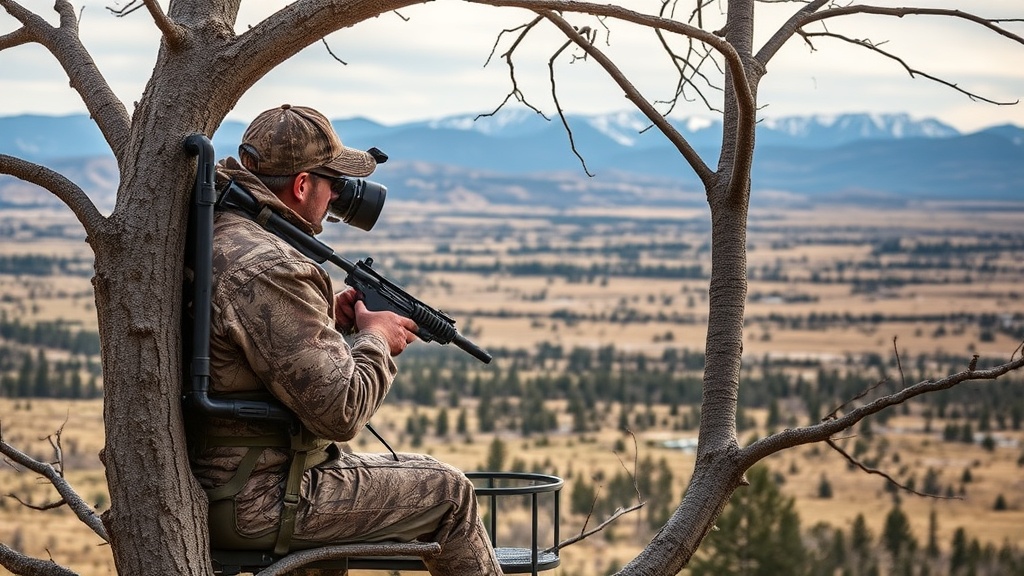 For reservoir and lake hunting, set up on points, sheltered bays, or at the mouths of inflowing creeks where ducks stage and feed. A modest decoy spread of floating mallard and diver blocks positioned in a visible location draws passing birds. Boat access opens up the best spots on larger reservoirs. Arrive early and be set up well before shooting time, as birds often begin moving at first light.
Field hunting is highly effective in Wyoming’s agricultural areas. Scout grain stubble, alfalfa, and irrigated fields for feeding flocks of geese and ducks in the afternoon, then set up over a decoy spread the following morning. Full-body goose decoys in family groups with feeders and sentries produce realistic setups. Layout blinds concealed in stubble are the standard. Wyoming’s open terrain means birds can see decoy spreads from great distances, which works in your favor with a large, well-placed spread.
Float hunting the North Platte and other rivers allows hunters to cover miles of habitat and jump-shoot ducks on gravel bars, backwater sloughs, and loafing areas. Work downstream quietly and stay alert for birds around every bend. A canoe or small jon boat is ideal for river floats.
Pothole hunting on the Laramie Plains and other small-water areas is a walk-in affair. Approach potholes quietly, using terrain to stay out of sight, and flush birds within range. Alternatively, set a small spread of decoys on a pothole and wait for ducks to return after being flushed.
Wind is a significant factor in Wyoming waterfowl hunting. Use it to your advantage by positioning decoy spreads so that incoming birds land into the wind and within shooting range of your blind.
Gear Considerations
Wyoming waterfowl hunting demands gear that can handle cold temperatures, wind, and the varied terrain from river bottoms to high-elevation pothole lakes. Early teal season may be mild, but the core of the season from October through December brings cold, wind, and occasional snow.
Key gear for Wyoming waterfowl hunting includes:
- A reliable 12-gauge shotgun with modified or improved-cylinder chokes, suited to non-toxic shot in sizes 2 through 4 for ducks and BB or T for geese
- Insulated, waterproof waders for marsh, river, and shoreline hunting
- A layout blind for field hunting setups, with a stubble kit for concealment
- Floating and full-body decoys appropriate for the habitat and target species
- Warm, windproof, layered clothing with insulated outer shells, heavy gloves, and a balaclava for cold and windy conditions
- A canoe or small boat for river float hunts and reservoir access
- A trained retriever or mechanical decoy retrieval system for recovering downed birds in cold water
For detailed gear recommendations, visit the gear hub.
Plan Your Hunt
Wyoming waterfowl hunting offers uncrowded conditions and quality shooting for hunters who put in the scouting work. Timing your trip to coincide with migration pushes, targeting the right reservoirs and river stretches, and being prepared for Wyoming’s demanding weather are the keys to success. These resources will help:
- Waterfowl Hunting Guide – species identification, behavior, and general strategies
- Wyoming Location Hub – overview of hunting in the Cowboy State
- Scouting Basics – how to read sign and pattern game
- First-Time Hunter Checklist – everything you need before your first hunt
Explore Related Topics:
Notice an update we should make?
We strive for accuracy. Contact us here if you see incorrect or outdated info on this page.