Texas sits at the southern end of the Central Flyway, making it one of the most important waterfowl wintering grounds in North America. Hunters target species including Mallard, Wood Duck, Pintail, Teal, Canada Goose, Snow Goose, as millions of ducks and geese migrate through and winter in Texas each year, drawn to the Gulf Coast marshes, rice prairie flats, inland reservoirs, and playa lakes of the High Plains. The Texas Parks and Wildlife Department (TPWD) manages waterfowl hunting across multiple zones, each with its own season structure and bag limits set within the federal framework established by the U.S. Fish and Wildlife Service.
| Season Type | Opens | Closes | Notes |
|---|---|---|---|
| General | November 1, 2025 | January 25, 2026 | Follows USFWS federal frameworks. Dates vary by zone (High Plains, North, South). |
The Gulf Coast of Texas is a major staging and wintering area for pintails, teal, gadwall, wigeon, and a wide variety of other duck species. Snow geese, Canada geese, white-fronted geese, and Ross’s geese all winter in Texas in large numbers. The state’s rice prairies, coastal marshes, and inland wetlands provide the food and habitat that concentrate waterfowl in impressive densities.
Texas waterfowl hunting ranges from layout blinds in flooded rice fields to wade-hunting coastal marsh flats to jump-shooting ducks on stock tanks and river bends. Always check current TPWD and federal regulations before hunting, as seasons, bag limits, and zone boundaries can change each year.
Season Overview
Texas waterfowl seasons are divided into multiple zones, including the High Plains Zone, North Zone, and South Zone, each with different opening and closing dates. An early teal season typically runs for a two-week window in September, targeting blue-winged and green-winged teal migrating through the state.
 The general duck season usually opens in late October or early November, depending on the zone, and runs through late January. Split seasons are common, with a break between segments. Goose seasons generally run concurrently with or slightly longer than duck seasons, and a special light goose conservation order extends into the spring in some areas to address snow goose overpopulation.
Youth waterfowl hunting days provide young hunters an opportunity before or during the general season.
For current zone boundaries and season dates, visit the Texas hunting seasons page.
Licensing and Tags
Waterfowl hunting in Texas requires several licenses and stamps. Hunters need a valid Texas hunting license, a state migratory game bird endorsement, a Federal Duck Stamp (required for all waterfowl hunters aged 16 and older), and Harvest Information Program (HIP) certification. All of these are required before you can legally hunt ducks or geese in Texas. Residents can expect to pay $25.00 for a resident hunting license, while nonresidents should budget for the higher $132.00 nonresident fee.
Residents and nonresidents each have their own license options. The migratory game bird endorsement is an add-on to the base hunting license. The Federal Duck Stamp can be purchased at post offices, online through the USFWS, or through select retailers.
There is no draw or lottery system for waterfowl hunting in Texas. Licenses and endorsements are available over the counter.
For complete license information, see the Texas hunting license guide.
Regulations Highlights
Key waterfowl hunting regulations in Texas include:
 <strong>Daily limit:</strong> 6 | <strong>Possession limit:</strong> 18
- Bag limits: Daily bag limits for ducks typically follow the federal framework, with species-specific limits for pintails, canvasback, redheads, and other species. Goose bag limits vary by species and zone.
- Non-toxic shot: Federal law requires the use of non-toxic shot (steel, bismuth, tungsten, or other approved materials) for all waterfowl hunting. Lead shot is prohibited.
- Shooting hours: Legal shooting begins one half hour before sunrise and ends at sunset.
- Species identification: Hunters must be able to identify species on the wing to comply with species-specific bag limits. Misidentification can result in violations.
- Boat and motor restrictions: Some WMAs have specific restrictions on motorized boats and airboats. Check area-specific rules.
- Reporting: HIP certification is required to track harvest data at the national level.
- Zone boundaries: Texas is divided into multiple waterfowl zones, and season dates differ by zone. Know which zone you are hunting in.
Review the full regulations on the Texas hunting regulations page.
Where to Hunt
Texas offers extensive public land waterfowl hunting, particularly along the Gulf Coast and in the rice prairies. Top areas include:
- Anahuac National Wildlife Refuge – Located on the upper Texas coast near Galveston Bay, Anahuac is one of the premier public waterfowl hunting locations in the state. Coastal marsh and rice prairie habitat attract large numbers of ducks and geese. Specific hunt units operate on a reservation or first-come basis.
- J.D. Murphree Wildlife Management Area – Near Port Arthur on the upper coast, this WMA provides over 24,000 acres of coastal marsh hunting. It is known for excellent duck hunting, particularly for gadwall, teal, and pintail.
- Hagerman National Wildlife Refuge – On the Oklahoma border along Lake Texoma, Hagerman offers inland waterfowl hunting for ducks and geese in managed wetland impoundments and lake edges.
- Richland Creek Wildlife Management Area – In the Blackland Prairie region east of Dallas, this WMA features managed moist-soil units that attract good numbers of ducks and geese during migration.
- Playa lakes of the Texas Panhandle – The High Plains region features thousands of playa lakes that attract waterfowl during migration. While many playas are on private land, some public access areas and walk-in hunting opportunities exist.
Many WMAs require an Annual Public Hunting Permit and may use a reservation or drawing system for popular hunts. Arrive early, as public waterfowl spots fill quickly. For more on access, visit the Texas hunting land page.
Tactics and Strategies
Waterfowl hunting tactics in Texas vary by region and habitat type.
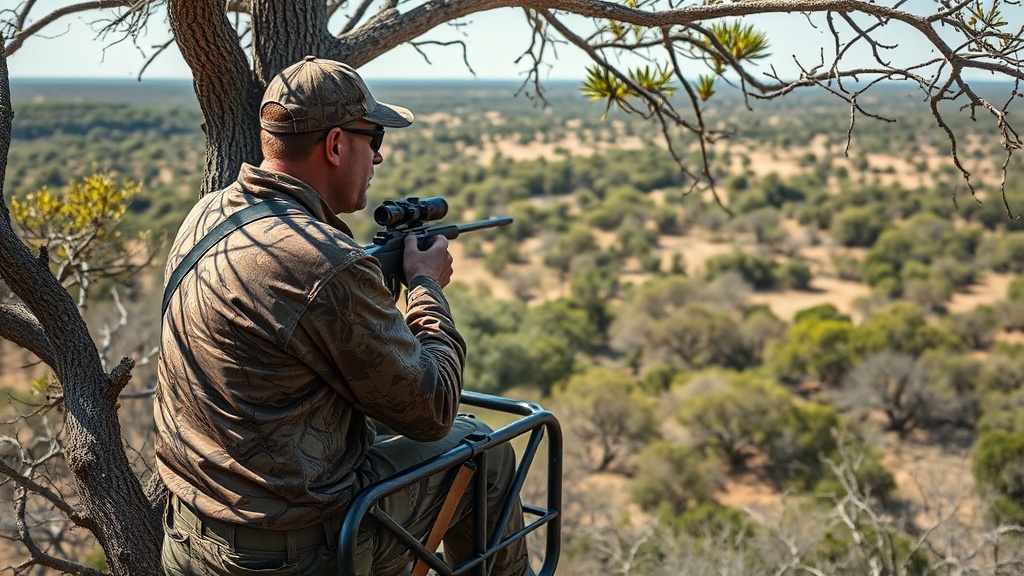
- Flooded rice field hunting. The rice prairies of the upper and mid-coast are classic Texas waterfowl habitat. Hunters use layout blinds or A-frame blinds set among decoy spreads in harvested and flooded rice fields. Large spreads of mallard, pintail, and teal decoys with spinning-wing decoys are effective for attracting passing birds.
- Coastal marsh hunting. Wade-hunting or hunting from marsh blinds in the saltgrass and cordgrass flats of the Gulf Coast can produce excellent shoots on teal, gadwall, redheads, and scaup. Setting up along tidal drains and potholes where ducks trade between open water and marsh is a proven tactic.
- Goose hunting on agricultural fields. Snow geese and white-fronted geese feed in agricultural fields, particularly rice stubble and winter wheat. Decoy spreads for geese can number in the hundreds or thousands for snow geese. Layout blinds concealed among decoys are standard.
- Reservoir and tank hunting. Inland hunters target ducks on stock tanks, farm ponds, and reservoir edges. Small decoy spreads and pass-shooting over points or narrows can be productive.
- Early teal season. September teal hunting is fast-paced and often done in warm weather. Small decoy spreads over shallow ponds and rice field edges target blue-winged and green-winged teal during their early migration.
Scouting is critical for all waterfowl hunting. Locate where birds are feeding and roosting, and set up in their flight path.
Gear Considerations
Texas waterfowl hunting spans warm early-season teal hunts in September to cold, wet duck and goose hunts in December and January. Gear needs vary significantly across the season.
Essential gear includes:
- A 12- or 20-gauge shotgun with non-toxic waterfowl loads in appropriate shot sizes (steel #2 to #4 for ducks, BB to #1 for geese)
- Chest waders for marsh and flooded field hunting, in neoprene for cold weather or breathable fabric for early season
- A layout blind or portable blind for field hunting geese and ducks
- A spread of species-appropriate decoys, including motion decoys and spinning-wing decoys
- Duck and goose calls suited to the species you are targeting
- Camouflage clothing and face concealment rated for the conditions
- A waterproof bag or dry box for electronics, licenses, and shells
- A good retriever dog, if available, for recovering downed birds in marsh and flooded field conditions
For gear reviews, visit the gear hub and the game calls review.
Plan Your Hunt
Texas waterfowl hunting offers some of the best opportunities in the Central Flyway, with diverse habitats and long seasons. Use these resources to prepare:
- Waterfowl Hunting Guide – species identification, flyway information, and general tactics
- Texas Location Hub – hunting opportunities across the Lone Star State
- Scouting Basics – how to find and pattern waterfowl
- First-Time Hunter Checklist – essentials for your first waterfowl hunt
Explore Related Topics:
Notice an update we should make?
We strive for accuracy. Contact us here if you see incorrect or outdated info on this page.