Tennessee is one of the premier waterfowl hunting destinations in the Mississippi Flyway, with commonly hunted species including Mallard, Wood Duck, Pintail, Teal, Canada Goose, Snow Goose. The state’s position along major migration corridors, its extensive river systems, and its legendary Reelfoot Lake combine to create world-class duck and goose hunting. From the flooded bottomland timber of West Tennessee to the large reservoirs of the Tennessee River valley and the smaller waterways of middle and East Tennessee, the state offers diverse waterfowl hunting experiences.
| Season Type | Opens | Closes | Notes |
|---|---|---|---|
| General | November 29, 2025 | January 25, 2026 | Duck season follows USFWS frameworks. Split season varies by zone. |
The Tennessee Wildlife Resources Agency (TWRA) manages waterfowl hunting in coordination with the U.S. Fish and Wildlife Service, which establishes the federal framework for migratory bird seasons. Tennessee attracts major concentrations of mallards, gadwall, teal, wood ducks, and other dabblers, along with diving ducks on the state’s larger lakes. Canada geese are present throughout the state, and snow goose migration passes through the western portion.
Reelfoot Lake, near the Mississippi River in the northwest corner of the state, is nationally recognized as one of the finest duck hunting destinations in the country. Its flooded cypress timber and shallow wetlands have drawn waterfowlers for over a century. But outstanding hunting is also found along the Mississippi River bottomlands, on TWRA-managed waterfowl refuges, and on the reservoirs near Nashville, Knoxville, and Memphis.
Always verify both state and federal regulations before waterfowl hunting in Tennessee. Seasons, bag limits, and zone boundaries are set annually.
Season Overview
Tennessee’s duck season is typically split into two or three segments, running from late November through late January. An early teal season in September provides a short window to pursue blue-winged and green-winged teal before the regular season.
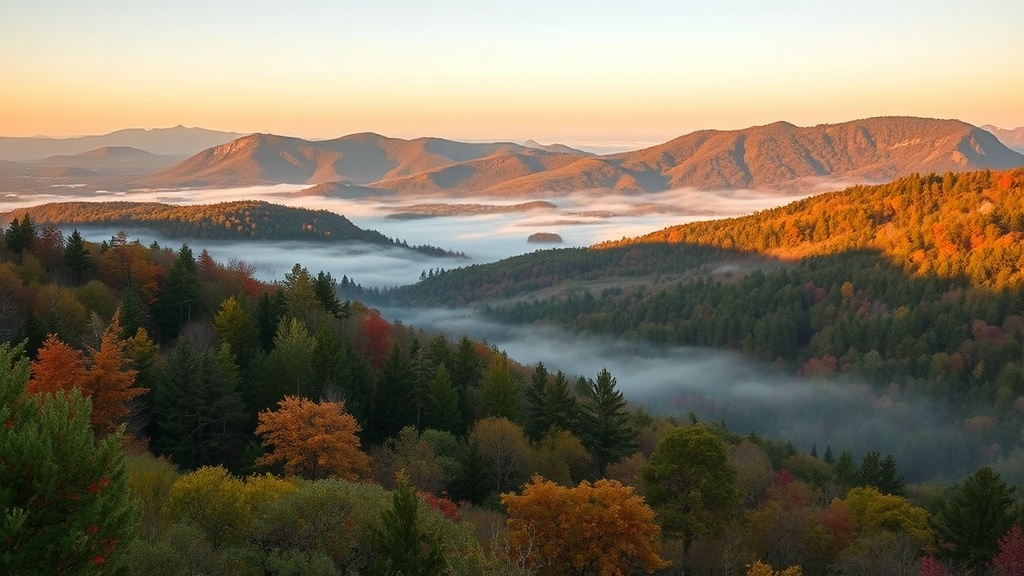 Tennessee is divided into waterfowl hunting zones – including the Reelfoot Zone, the remainder of the state, and sometimes additional sub-zones – with dates that may differ slightly between zones. The staggered zoning system is designed to match season dates with local migration timing.
Canada goose season generally runs concurrently with or extends beyond the duck season. Special early Canada goose seasons in September target resident birds before migratory populations arrive.
Peak duck migration into Tennessee typically occurs from late November through December, driven by cold fronts and freezing conditions to the north. The best hunting often coincides with the first major cold snaps of winter.
Visit the Tennessee hunting season page for current season dates and zone maps.
Licensing and Tags
Waterfowl hunters in Tennessee need a valid state hunting license, a Tennessee waterfowl license, and a Federal Duck Stamp. The Federal Duck Stamp is required for all waterfowl hunters age 16 and older. Residents can expect to pay $34.00 for a resident hunting license, while nonresidents should budget for the higher $230.00 nonresident fee.
HIP (Harvest Information Program) registration is also required. This federal program collects harvest data from migratory bird hunters to support population management across the flyway.
Certain managed waterfowl areas and TWRA refuges require a quota permit obtained through a lottery. These hunts offer access to the state’s best managed blinds and impoundments.
For licensing and permit details, see the Tennessee hunting license guide.
Regulations Highlights
Key Tennessee waterfowl regulations include:
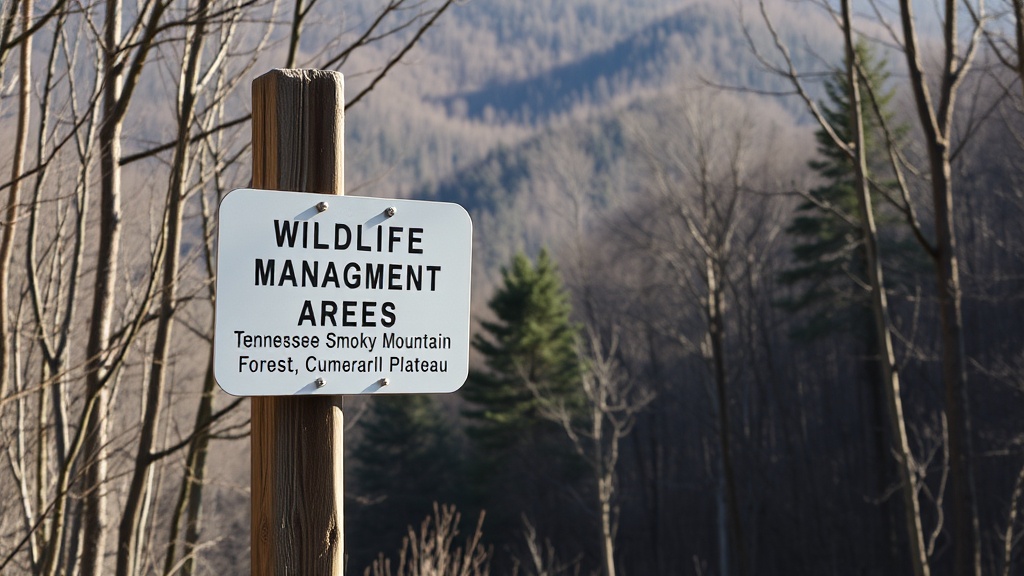 <strong>Daily limit:</strong> 6 | <strong>Possession limit:</strong> 18
- Bag limits are species-specific and set annually within the federal framework. Mallard, wood duck, pintail, and other species have individual limits within the overall daily bag.
- Shooting hours begin thirty minutes before sunrise and end at sunset.
- Non-toxic shot is mandatory for all waterfowl hunting. Lead shot is prohibited.
- Shotgun capacity – Shotguns must be plugged to hold no more than three shells.
- Zone boundaries dictate specific season dates. Know which zone your hunting area falls within.
- Refuges and managed areas may have additional rules including assigned blinds, check-in requirements, and motorized boat restrictions.
- Baiting is prohibited under federal law. Hunters must ensure areas have not been baited.
Full regulations are available on the Tennessee hunting regulations page.
Where to Hunt
Tennessee offers some of the best public waterfowl hunting in the Mississippi Flyway. Top destinations include:
- Reelfoot Lake – This legendary shallow lake in the northwest corner of the state is filled with standing cypress timber and attracts enormous concentrations of mallards, gadwall, and other ducks. Guided hunts from cypress blinds are a Tennessee tradition, but public access is also available through the Reelfoot Lake WMA.
- Tennessee National Wildlife Refuge – Located along Kentucky Lake, this refuge manages thousands of acres of wetlands and impoundments for waterfowl. Managed hunts provide access to some of the best shooting in the state.
- Cross Creeks National Wildlife Refuge – Near the Kentucky border, this refuge on Lake Barkley attracts large numbers of ducks and geese to its managed impoundments and agricultural fields.
- Hatchie National Wildlife Refuge – Along the Hatchie River in West Tennessee, this refuge protects bottomland hardwoods that flood during winter and attract wood ducks and mallards.
- Old Hickory and Percy Priest Lakes – The large reservoirs near Nashville hold diving ducks and provide accessible hunting close to the state’s largest metro area.
For more public waterfowl areas, check the Tennessee land access guide.
Tactics and Strategies
Tennessee’s diverse waterfowl habitat supports multiple hunting styles.
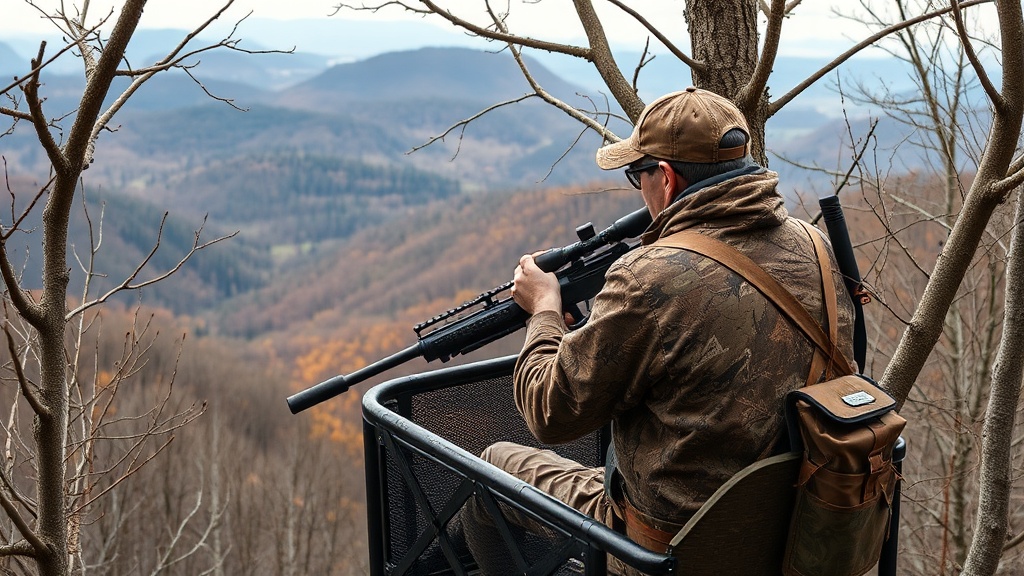 Flooded timber. West Tennessee’s bottomland hardwoods and Reelfoot Lake’s cypress swamps are the state’s signature duck hunting habitat. Hunt by wading or boating into flooded timber before dawn, setting small decoy spreads in openings among the trees. Mallards and wood ducks work through the timber, dropping into holes and openings. Calling should start subtle – soft quacks and feeding chatter – and ramp up if birds are circling at a distance. Water level is everything in timber hunting. Monitor river gauges and local reports to find areas with the right amount of flooding.
Managed impoundments. TWRA waterfowl areas and national wildlife refuges offer managed hunts from established blinds. These hunts typically assign blinds through a morning lottery or pre-season draw. Bring a moderate decoy spread and be prepared for quick, diverse shooting as multiple species work the impoundments. Arriving early and being set up well before shooting time is critical on managed areas.
Reservoir hunting. Tennessee’s large lakes attract diving ducks – canvasbacks, ring-necks, scaup, and buffleheads – along with mallards and gadwall in sheltered coves. Layout boats, point blinds, and open-water spreads are effective on big water. Larger decoy spreads with diver species mixed in help attract birds passing over the open lake.
Field hunting. Agricultural fields of harvested corn and soybeans in West and middle Tennessee attract Canada geese and sometimes mallards. Set up large spreads of full-body goose decoys in harvested fields where birds are feeding. Scouting the evening before to identify where birds are landing is the key to successful field hunts.
River hunting. The Mississippi River and its tributaries, as well as smaller rivers across the state, provide freelance hunting opportunities for wood ducks, mallards, and teal. Floating rivers in a canoe or jon boat and jumping ducks from sloughs and backwaters is an active, exciting style of hunting.
Gear Considerations
Tennessee waterfowl season spans from early fall teal hunts through the cold of late January. Temperatures during the core duck season can range from mild to bitterly cold, especially during the cold fronts that push fresh birds into the state.
Chest waders are essential for timber hunts, marsh setups, and managed impoundments. Neoprene waders provide warmth in cold water, while breathable waders are more comfortable during early-season teal hunts and milder days. A wading staff or wading belt adds safety in flooded timber with uneven footing.
A 12-gauge shotgun is the standard waterfowl gun, with 3-inch or 3.5-inch chambers providing flexibility for different loads. Use appropriate non-toxic shot sizes: smaller shot for teal and wood ducks, larger sizes for mallards and geese. A reliable semi-automatic action handles the high-volume shooting that waterfowl hunting can demand.
Decoys should match your environment. A few dozen mallard and wood duck decoys work for timber. Big-water hunts may require larger spreads. Goose hunters need full-body or shell decoys in quantity. A quality duck call and a goose call are essential – practice before the season.
Waterproof, insulated hunting boots are a must for days when you are not wading. Layered, waterproof outer clothing keeps you dry and warm in the blind. For more gear options, visit the gear section.
Plan Your Hunt
Tennessee’s position on the Mississippi Flyway, legendary destinations like Reelfoot Lake, and extensive managed public hunting areas make it one of the best waterfowl hunting states in the country. Get started planning with these resources:
- Waterfowl Hunting Guide – Species identification, decoy strategies, and calling techniques
- Tennessee Location Hub – Hunting opportunities across the state
- Scouting Basics – How to locate birds and choose your setup
- First-Time Hunter Checklist – Everything you need for your first waterfowl hunt
Explore Related Topics:
Notice an update we should make?
We strive for accuracy. Contact us here if you see incorrect or outdated info on this page.