Pennsylvania offers waterfowl hunting opportunities along the Atlantic Flyway, with species including Mallard, Wood Duck, Pintail, Teal, Canada Goose, Snow Goose passing through the state’s river systems, reservoirs, marshes, and agricultural valleys. The Pennsylvania Game Commission (PGC) manages waterfowl seasons within the federal framework established by the U.S. Fish and Wildlife Service, providing hunters access to a variety of duck and goose species from fall through winter.
| Season Type | Opens | Closes | Notes |
|---|---|---|---|
| General | October 4, 2025 | January 25, 2026 | Duck and goose seasons vary by zone (Atlantic Flyway). Follows USFWS frameworks. Split seasons in some zones. |
The state’s river systems, including the Susquehanna, Delaware, and Allegheny rivers, serve as major migration corridors. Inland marshes, managed impoundments on state game lands, and the Lake Erie shoreline round out the waterfowl habitat. Wood ducks, mallards, black ducks, teal, and diving ducks pass through in good numbers during migration. Canada geese are abundant, both as migratory birds and as a resident population that provides early-season hunting opportunities.
While Pennsylvania is not a traditional waterfowl powerhouse like the Gulf Coast or prairie pothole states, it offers quality hunting for those who know where to find birds. Scouting and understanding migration timing are key to success. Always verify current PGC and federal regulations before each season.
Season Overview
Pennsylvania’s duck season typically opens in mid-October with an early segment, followed by a break and a longer late segment running from late November through January. The state is typically divided into multiple waterfowl zones or management areas with slightly different season dates.
 An early teal season in September provides a short window to target blue-winged and green-winged teal before the general duck season opens. Early Canada goose seasons target resident geese in September, before the migratory goose seasons begin with the regular waterfowl framework.
The regular goose season generally runs concurrently with the late duck season and extends into February or later for Canada geese. Snow goose conservation order seasons may extend into spring to address population management goals.
Youth waterfowl hunting days are held before the regular season to introduce younger hunters to the sport.
For current season dates and zone details, visit the Pennsylvania hunting seasons page.
Licensing and Tags
Waterfowl hunting in Pennsylvania requires a valid hunting license, a Pennsylvania migratory game bird license (a separate license specific to migratory bird hunting), a Federal Duck Stamp (for hunters aged 16 and older), and Harvest Information Program (HIP) certification. Residents can expect to pay for a resident hunting license, while nonresidents should budget for the higher nonresident fee.
The migratory game bird license is separate from the general hunting license and must be purchased in addition to it. Both residents and nonresidents have their own license options.
There is no draw or lottery system for general waterfowl hunting in Pennsylvania, though some managed areas on state game lands may have specific access rules or limited entry hunts.
For complete license details, see the Pennsylvania hunting license guide.
Regulations Highlights
Key waterfowl hunting regulations in Pennsylvania include:
 <strong>Daily limit:</strong> 6 | <strong>Possession limit:</strong> 18
- Bag limits: Daily bag limits follow the federal framework, with species-specific restrictions for canvasback, pintail, black duck, and other species. Canada goose limits vary by season segment (early resident season vs. regular season).
- Non-toxic shot: Federal law mandates non-toxic shot for all waterfowl hunting. Lead shot is prohibited.
- Shooting hours: Legal shooting runs from one half hour before sunrise to sunset.
- Species identification: Hunters must be able to identify species in flight. Black duck limits are typically more restrictive, so distinguishing them from hen mallards is important.
- Fluorescent orange: Not required for waterfowl hunting, but recommended when hunting areas that overlap with other seasons.
- Boat safety: Pennsylvania requires personal flotation devices on boats used for waterfowl hunting. Follow all boating regulations when hunting from watercraft.
- Reporting: HIP certification is mandatory. Check-in requirements may apply on certain state game lands.
Review the full regulations on the Pennsylvania hunting regulations page.
Where to Hunt
Pennsylvania offers several productive public land waterfowl hunting areas. Top spots include:
- Presque Isle State Park (Erie County) – On the Lake Erie shoreline, Presque Isle is one of the best waterfowl hunting locations in the state. The bay, lagoons, and marshes attract large concentrations of diving ducks, mallards, black ducks, and geese during fall migration. Hunting is available on designated areas of the park.
- Middle Creek Wildlife Management Area (Lancaster and Lebanon Counties) – A premier PGC-managed waterfowl area with managed impoundments and fields that attract thousands of migrating snow geese, Canada geese, and ducks. Controlled hunts are offered during the season.
- Pymatuning Wildlife Management Area (Crawford County) – In the northwest corner of the state, Pymatuning’s marshes and reservoir edges provide good duck and goose hunting. Managed waterfowl hunting areas within the WMA offer structured hunts.
- State Game Lands 213 (Huntingdon County) – Features managed moist-soil impoundments designed to attract migrating waterfowl. This area offers quality duck hunting in central Pennsylvania.
- Susquehanna River flats and islands – The lower Susquehanna River in Lancaster and York counties provides river-based waterfowl hunting for mallards, black ducks, wood ducks, and mergansers. Island sandbars and backwater channels create natural hunting setups.
Access to managed waterfowl areas often involves check-in procedures, blind assignments, or drawings. Arrive early and be prepared for competition on opening days. For more on public land access, visit the Pennsylvania hunting land page.
Tactics and Strategies
Pennsylvania waterfowl hunting tactics reflect the state’s mix of river, marsh, reservoir, and agricultural habitat.
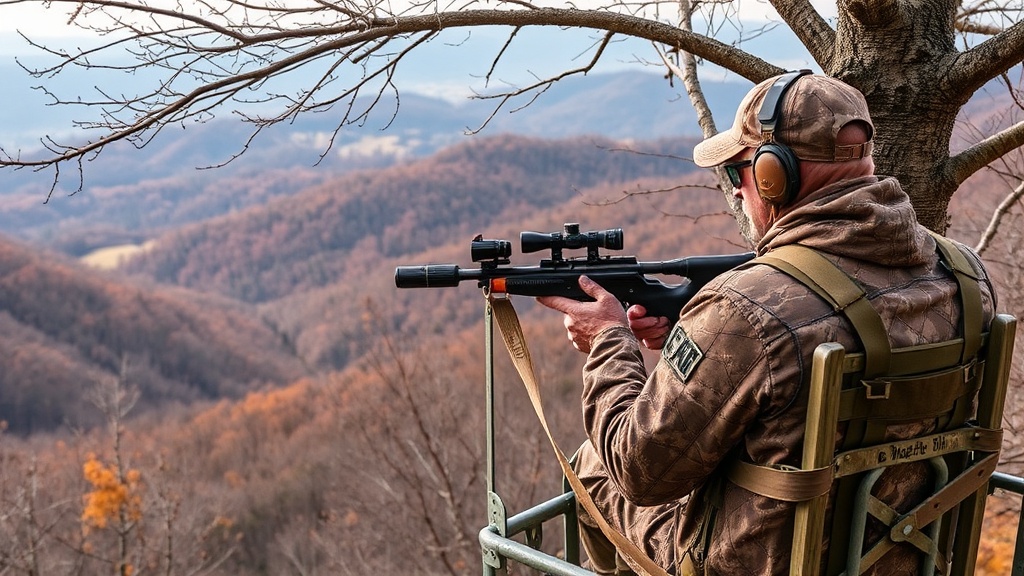
- River hunting. The Susquehanna, Delaware, and Allegheny river systems are prime waterfowl corridors. Hunting from layout boats, canoes, or permanent blinds along river edges, islands, and backwater sloughs can produce mallards, black ducks, and wood ducks. Set decoy spreads in calm eddies and backwater areas where ducks loaf and feed.
- Marsh and impoundment hunting. Managed impoundments on state game lands and WMAs like Middle Creek and Pymatuning draw ducks and geese to controlled water levels and food sources. Hunt from assigned blinds or portable blinds set along dike edges, using decoy spreads matched to the species present.
- Field hunting for geese. Canada geese and snow geese feed in Pennsylvania’s agricultural fields, particularly harvested corn and winter wheat. Layout blinds in fields with full-body goose decoys are effective, especially during the regular and late goose seasons.
- Lake Erie hunting. The bays, breakwalls, and marshes around Presque Isle attract diving ducks, including bluebills, canvasback, bufflehead, and goldeneye, during fall and early winter. Hunting from boat blinds or shoreline setups with diver decoy spreads set over deeper water is the approach.
- Jump shooting and float hunting. Small creeks, farm ponds, and beaver dams scattered across the state hold wood ducks, teal, and mallards. Walking or floating these small waters quietly and flushing birds at close range is a productive and accessible method, especially for solo hunters.
Timing matters in Pennsylvania. The best duck hunting often corresponds with cold fronts that push migratory birds south along the Atlantic Flyway. Monitor weather patterns and plan your hunts around frontal passages.
Gear Considerations
Pennsylvania waterfowl hunting spans from the warm days of the September teal season to bitter cold late-season goose hunts in January and February. Weather and water conditions vary widely across the state.
Essential gear includes:
- A 12- or 20-gauge shotgun with non-toxic waterfowl loads in appropriate shot sizes
- Neoprene chest waders for cold-water marsh and river hunting, or breathable waders for early season
- A layout blind for field hunting geese, or a portable blind for marsh setups
- Decoys matched to the species and setting: puddler decoys for marsh and river, diver decoys for Lake Erie, full-body goose decoys for field setups
- Duck and goose calls, including a mallard call, wood duck whistle, and goose flute or short-reed call
- Insulated, waterproof camouflage clothing and gloves for late-season cold
- A personal flotation device for boat-based hunting
- Hand warmers and a thermos for long, cold sits in the blind
For gear reviews and recommendations, visit the gear hub and the game calls review.
Plan Your Hunt
Pennsylvania waterfowl hunting offers diverse experiences from river corridors to Lake Erie shorelines. Use these resources to plan your season:
- Waterfowl Hunting Guide – species identification, flyway information, and general tactics
- Pennsylvania Location Hub – hunting opportunities across the Keystone State
- Scouting Basics – how to find and pattern waterfowl
- First-Time Hunter Checklist – essentials for your first waterfowl hunt
Explore Related Topics:
Notice an update we should make?
We strive for accuracy. Contact us here if you see incorrect or outdated info on this page.