Oregon is one of the Pacific Flyway’s most important waterfowl states, with hunters pursuing species including Mallard, Wood Duck, Pintail, Teal, Canada Goose, Snow Goose across vast wetland complexes, river systems, and agricultural valleys that attract millions of migrating birds every fall and winter. From the internationally significant Klamath Basin marshes in the south to Sauvie Island at the confluence of the Willamette and Columbia rivers in the north, Oregon offers world-class waterfowl hunting in diverse settings. The Oregon Department of Fish and Wildlife (ODFW) manages waterfowl seasons in coordination with federal frameworks set by the U.S. Fish and Wildlife Service.
| Season Type | Opens | Closes | Notes |
|---|---|---|---|
| General | October 11, 2025 | January 25, 2026 | Follows USFWS Pacific Flyway frameworks. Dates vary by zone. |
Oregon’s waterfowl habitats are remarkably varied. The Klamath Basin is one of the most important wetland complexes in the western hemisphere, staging hundreds of thousands of ducks and geese during peak migration. The Willamette Valley’s agricultural fields and floodplain wetlands attract enormous numbers of wintering geese and puddle ducks. Summer Lake in the high desert, the Columbia River estuary, and coastal bays provide additional diversity. Portland, Bend, and Medford all offer reasonable access to productive waterfowl hunting areas.
Always verify current season dates, bag limits, and zone-specific regulations through the official ODFW resources before hunting. Waterfowl regulations are set annually and can change based on population surveys and federal frameworks.
Season Overview
Oregon’s waterfowl season generally runs from early October through late January, with specific dates varying by zone and species. The state is divided into waterfowl hunting zones, and season dates, bag limits, and split structures differ between them. An early teal season in September provides bowhunters and wing-shooters with the season’s first opportunity. Youth waterfowl days give young hunters an early start.
 Goose seasons vary by species and zone. Canada goose seasons may include early seasons for resident birds, and special permit hunts are available in some areas. Light goose (snow and Ross’s) hunting may extend through conservation orders into late winter and spring. Some zones have separate seasons for white-fronted geese.
For full season details, visit the Oregon hunting seasons page.
Licensing and Tags
Oregon waterfowl hunting requires a state hunting license, a state waterfowl validation, and a federal duck stamp. All are available over the counter without a draw. Some specific hunt areas, such as certain state wildlife areas, may require a special permit or reservation for access during peak periods. Residents can expect to pay $33.50 for a resident hunting license, while nonresidents should budget for the higher $176.50 nonresident fee.
All waterfowl hunters must register with the Harvest Information Program (HIP) by completing a brief survey about prior-year waterfowl harvest. HIP registration is a federal requirement and must be completed before hunting.
Nonresidents can purchase Oregon waterfowl licenses and stamps without entering a lottery. Youth hunters may qualify for reduced-fee licenses and designated youth hunting days.
For a complete breakdown of license types and how to purchase them, see the Oregon hunting license guide.
Regulations Highlights
Oregon waterfowl regulations follow federal frameworks with state-specific zone structures and additional rules. Key regulations include:
 <strong>Daily limit:</strong> 7 | <strong>Possession limit:</strong> 21
- Bag limits: Daily bag limits for ducks and geese are set annually by zone. Species-specific restrictions apply, including limits on hen mallards, pintail, canvasback, and scaup. Zone-specific goose limits and species rules also apply.
- Non-toxic shot: Federal law requires non-toxic shot for all waterfowl hunting. Lead shot is prohibited.
- Shooting hours: Waterfowl hunting hours are from one-half hour before sunrise to sunset.
- Federal duck stamp: All hunters 16 and older must carry a signed federal duck stamp.
- Plugged shotguns: Shotguns must be plugged to hold no more than three shells total.
- Wildlife area rules: Many of Oregon’s top waterfowl hunting areas are state wildlife areas with specific rules regarding access, blind assignments, and hunting methods. Some areas use a reservation system for blinds during peak periods. Always check the specific rules for the area you plan to hunt.
- Electronic calls: Prohibited for ducks and geese, though they may be allowed during light goose conservation orders.
Review the full set of rules on the Oregon hunting regulations page.
Where to Hunt
Oregon’s public waterfowl hunting is exceptional, with a network of state wildlife areas, national wildlife refuges (where hunting is permitted), and public access points along rivers and wetlands. Key areas include:
- Klamath Basin (Lower Klamath and Tule Lake National Wildlife Refuges) – Straddling the Oregon-California border, the Klamath Basin is one of the greatest waterfowl concentrations in North America. Hundreds of thousands of ducks and geese stage here during migration. The refuges offer controlled hunt programs with blind reservations and walk-in areas.
- Sauvie Island Wildlife Area – Located at the confluence of the Willamette and Columbia rivers near Portland, Sauvie Island is one of the most popular and productive waterfowl hunting areas in the state. Managed hunt zones with assigned blinds and walk-in areas provide diverse hunting for ducks and geese in marshes, sloughs, and grain fields.
- Summer Lake Wildlife Area – In the high desert of south-central Oregon, Summer Lake’s shallow alkaline marshes attract large concentrations of puddle ducks, snow geese, and other waterfowl. The remote setting offers less pressure than the more accessible western Oregon areas.
- Willamette Valley agricultural fields – The Willamette Valley’s vast grass-seed, grain, and corn fields attract enormous flocks of wintering Canada geese, greater white-fronted geese, and puddle ducks. Field hunting by permission on private agricultural land is extremely productive, and public wildlife areas in the valley provide additional access.
- Fern Ridge Wildlife Area – West of Eugene, Fern Ridge Reservoir and the surrounding marshes and fields offer good duck and goose hunting with designated hunting areas and public access.
For more on public and private land access, visit the Oregon hunting land page.
Tactics and Strategies
Oregon waterfowl hunting tactics vary dramatically by region and habitat. The state offers everything from managed-blind marsh hunting to freelance field setups over agricultural grain fields.
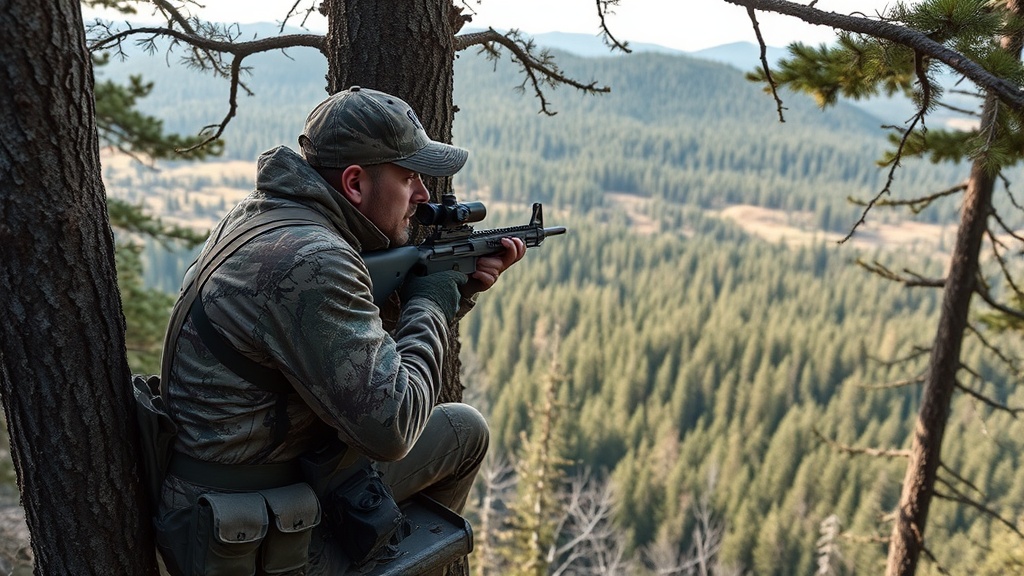 In the Klamath Basin and other major marsh complexes, hunting is often conducted from established blinds positioned in the marsh. Arrive early, set up a decoy spread of floating mallard and pintail blocks, and be prepared for fast action at first light during peak migration. Species variety can be impressive, with multiple duck species and geese all working the same marshes. Concealment within the blind is critical, as birds that have been hunted become decoy-shy.
Field hunting in the Willamette Valley is one of Oregon’s signature waterfowl experiences. Scout feeding flights the afternoon before, noting exactly where geese and ducks are landing in grain stubble or grass-seed fields. Set up the following morning with full-body goose decoys, family groups, and feeder and sentry positions spread over a realistic pattern. Layout blinds concealed in the stubble are the standard. Flagging and calling can bring flocks from long distances. The volume of Canada geese wintering in the Willamette Valley makes this some of the best field goose hunting in the West.
For river and slough hunting, float the Willamette or Columbia tributaries by boat, jump-shooting ducks in backwaters, side channels, and loafing areas. Small decoy spreads at river bends and confluences can also pull in passing birds.
Late-season hunting in December and January often produces the best flights, as cold weather pushes northern birds south along the flyway. Be prepared for rain, fog, and cold, but also for the best concentrations of the year.
Gear Considerations
Oregon waterfowl hunting demands gear built for wet and cold conditions. Rain is a near-constant companion for western Oregon hunts, and eastern Oregon’s high desert can bring bitter cold and wind during peak season.
Key gear for Oregon waterfowl hunting includes:
- A reliable 12-gauge shotgun with modified or improved-cylinder chokes, suited to non-toxic shot in sizes 2 through 4 for ducks and BB or T for geese
- High-quality waterproof waders (breathable or neoprene) for marsh, river, and flooded-field hunting
- A layout blind for field hunting, with a stubble strap kit matched to the cover in your hunting area
- A large decoy spread for field hunting, including full-body Canada goose decoys and puddler blocks; floating decoys for marsh and slough setups
- Rain-resistant, warm, layered clothing with waterproof outer shells, insulated gloves, and a face mask
- A dog trained for waterfowl retrieves or a mechanical bird retrieval system
- Flagging tools and a quality goose call for field hunting the Willamette Valley
For detailed gear recommendations, visit the gear hub.
Plan Your Hunt
Oregon waterfowl hunting offers some of the Pacific Flyway’s best opportunities, from the legendary Klamath Basin marshes to the productive goose fields of the Willamette Valley. Timing your hunt with migration pushes, scouting feeding patterns, and understanding the specific rules of each wildlife area are the keys to success. These resources will help:
- Waterfowl Hunting Guide – species identification, behavior, and general strategies
- Oregon Location Hub – overview of hunting in the Beaver State
- Scouting Basics – how to read sign and pattern game
- First-Time Hunter Checklist – everything you need before your first hunt
Explore Related Topics:
Notice an update we should make?
We strive for accuracy. Contact us here if you see incorrect or outdated info on this page.