New York occupies a strategic position in the Atlantic Flyway, providing diverse waterfowl hunting opportunities for species including Mallard, Wood Duck, Pintail, Teal, Canada Goose, Snow Goose, from the Long Island coastal bays to the Finger Lakes, Lake Ontario marshes, and the river systems of the Hudson Valley and western New York. The state’s mix of Great Lakes shoreline, large inland lakes, river corridors, tidal estuaries, and agricultural land creates habitat for a wide variety of duck and goose species. The New York State Department of Environmental Conservation (NYSDEC) manages waterfowl seasons within the federal Atlantic Flyway framework, offering hunters opportunities for puddle ducks, diving ducks, sea ducks, and multiple goose species.
| Season Type | Opens | Closes | Notes |
|---|---|---|---|
| General | October 4, 2025 | January 25, 2026 | Duck and goose seasons vary by zone (Western, Northeastern, Southeastern, Long Island). Follows USFWS frameworks. |
Hunters near New York City have access to the productive tidal marshes and bays of Long Island and the Hudson River estuary, while those near Albany and Buffalo can reach the Finger Lakes, Lake Ontario coastal marshes, and the Montezuma Wetlands Complex. New York’s waterfowl hunting is diverse enough to support everything from sea duck hunting on the Atlantic coast to field hunting for Canada geese in the agricultural interior.
Waterfowl regulations in New York are updated annually within federal flyway frameworks. Hunters should always verify current dates, zones, and bag limits with the NYSDEC before heading afield.
Season Overview
New York divides its waterfowl season into multiple zones, including the Lake Champlain, Northeastern, Southeastern, Long Island, and Western zones. Season dates vary by zone, with the regular duck season generally opening in late October or early November and running through December or January depending on the zone. Split seasons are common, with early and late segments in some zones.
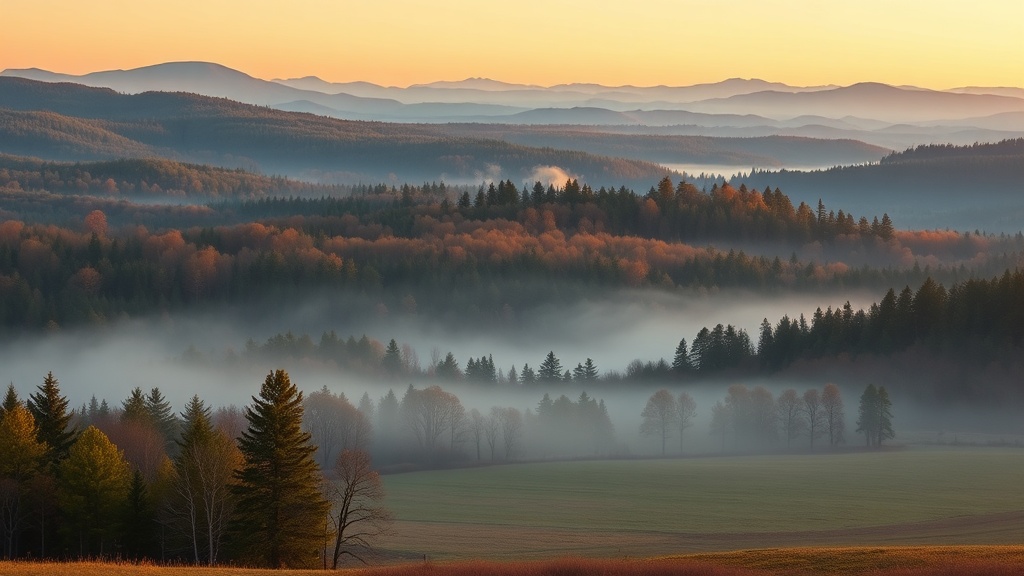 An early wood duck and teal season in September provides a short opening opportunity before the regular season. Canada goose seasons include an early September season targeting resident birds, a regular season concurrent with duck season, and a late season extending into January or February. Snow goose hunting is available during the regular season and through a conservation order that may extend into spring.
Sea duck hunting zones along the Long Island coast offer opportunities for species like scoters, eiders, and long-tailed ducks on a schedule that may differ from the inland duck season.
Youth waterfowl hunting weekends are held before the regular season in most zones.
For current zone maps and season dates, check the New York hunting seasons page.
Licensing and Tags
New York waterfowl hunters must hold a valid hunting license, a New York State waterfowl stamp (migratory bird stamp), a federal Migratory Bird Hunting and Conservation Stamp (duck stamp), and be registered in the Harvest Information Program (HIP). The federal duck stamp must be signed across its face. All stamps and licenses are available over the counter. Residents can expect to pay $22.00 for a resident hunting license, while nonresidents should budget for the higher $100.00 nonresident fee.
No draw or lottery is required for general waterfowl hunting in New York. Some managed wildlife areas may use a permit system or reservation process for specific hunt dates and blinds.
Nonresidents may purchase all required licenses and stamps at nonresident rates. Youth hunters may have modified stamp and license requirements.
For full licensing details and purchasing information, visit the New York hunting license guide.
Regulations Highlights
<strong>Daily limit:</strong> 6 | <strong>Possession limit:</strong> 18 New York’s waterfowl regulations follow Atlantic Flyway frameworks with state-specific additions. Duck daily bag limits include species-specific restrictions, with separate limits for black duck, pintail, canvasback, scaup, and other species that may be below the general aggregate bag limit. Goose bag limits vary by species and season segment.
 Non-toxic shot is mandatory for all waterfowl hunting. Steel, bismuth, tungsten, and other approved alternatives are legal. Lead shot is prohibited. Shotguns must be plugged to hold no more than three shells total.
Hunting hours run from half an hour before sunrise to sunset for most species. Sea duck hunting hours may differ in coastal zones. Hunting over bait is illegal, and hunters must be able to identify species before shooting. Electronic calls are legal for ducks and geese.
State Wildlife Management Areas may have site-specific rules including designated hunting zones, registration requirements, and vehicle access restrictions. The Montezuma Wetlands Complex and other managed areas may have specific blind assignment or walk-in procedures.
Complete regulations are available on the New York hunting regulations page.
Where to Hunt
New York offers varied public waterfowl hunting access across multiple habitat types. Top areas include:
Montezuma National Wildlife Refuge and Adjacent WMAs – Located at the north end of Cayuga Lake in the Finger Lakes region, this complex is one of the most important waterfowl areas in the state. The surrounding state WMAs, including Northern Montezuma WMA, provide public hunting access to marshes and impoundments that attract massive concentrations of ducks and geese during fall migration.
Iroquois National Wildlife Refuge – In the agricultural country of western New York between Buffalo and Rochester, this refuge and the adjacent Oak Orchard and Tonawanda WMAs form a major waterfowl concentration area. Managed hunts and adjacent public access areas offer excellent duck and goose hunting.
Long Island Bays and Marshes – The south shore bays of Long Island, including Jamaica Bay, Shinnecock Bay, and the Great South Bay, provide unique tidal marsh and open-water hunting for puddle ducks, diving ducks, and sea ducks. Hunting is done from layout boats, shoreline blinds, and kayaks. This is also a primary area for sea duck hunting.
Lake Ontario Coastal Marshes – The barrier beach and marsh complexes along the Lake Ontario shore in Jefferson, Oswego, and Wayne Counties attract diving ducks and puddle ducks. The Eastern Lake Ontario Dune and Wetland Area and surrounding WMAs provide public access.
Upper Delaware River – The Delaware River corridor in the Catskill region offers quality hunting for wood ducks and mallards in riverine habitat. Public access points and state forest land along the river provide walk-in opportunities.
For more on public hunting areas and access, visit the New York land access guide.
Tactics and Strategies
New York waterfowl hunting tactics vary widely based on the habitat being hunted. In the Finger Lakes marshes and western New York refuge complexes, hunting from blinds or brushed-in boats over decoy spreads is the primary approach for puddle ducks and Canada geese. Mallards, black ducks, wood ducks, and teal work marsh edges and flooded fields, responding to decoy spreads of one to three dozen blocks with a well-defined landing zone. Calling is effective for mallards and Canadas, with realistic feeding chatter and greeting calls drawing birds into the spread.
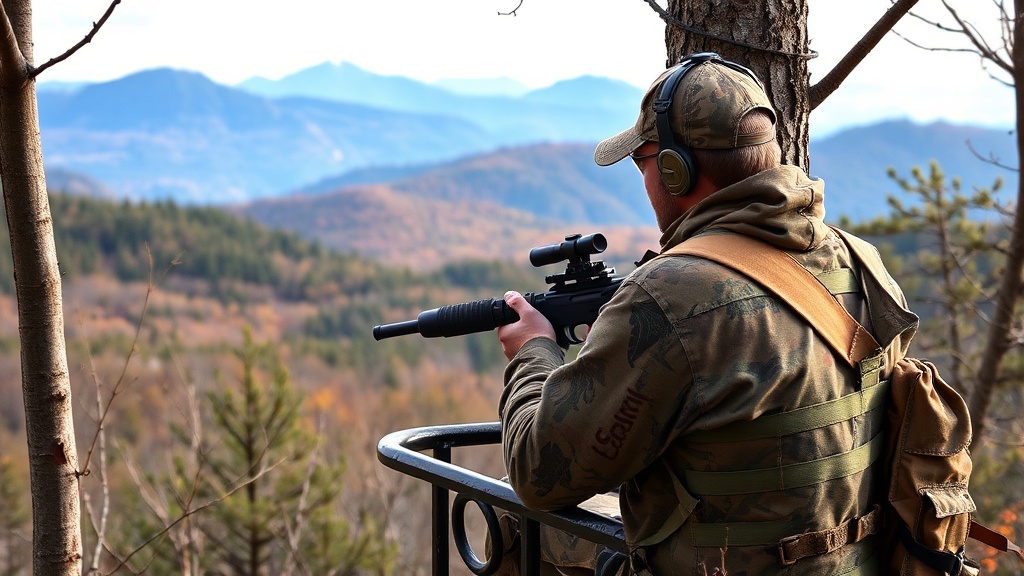 Diving duck hunting on the Finger Lakes, Lake Ontario, and Long Island bays requires different setups. Long lines of diver decoys set perpendicular to the wind, with a cluster of decoys near the blind or layout boat, are the standard approach. Bluebills, goldeneye, buffleheads, and canvasback respond to large, visible spreads over open water. Sea duck hunting along the Long Island coast involves hunting from layout boats or rocky points over scoter, eider, and long-tailed duck decoy spreads, often in challenging ocean conditions.
Field hunting for Canada geese is productive in the agricultural interior of western and central New York. Scouting feeding fields, setting up large full-body decoy spreads in harvested corn or grain fields, and using calling and flagging to work incoming flocks is a highly effective method. Resident Canada goose populations provide excellent early-season hunting in September.
As the season progresses, hunting pressure pushes birds to unpressured water and fields. Small creeks, beaver ponds, farm ponds, and secluded marsh pockets can produce excellent late-season hunting for educated birds.
Gear Considerations
New York’s waterfowl season spans fall into winter, with conditions ranging from mild October days to ice and freezing spray during late-season hunts on the Great Lakes and Long Island. Neoprene chest waders are the best choice for cold, late-season marsh and water hunting, while breathable waders are comfortable for the early season. Hunters pursuing sea ducks on Long Island need foul-weather gear rated for ocean conditions, including drysuits or float suits for layout boat work.
A 12-gauge shotgun handles the full range of New York waterfowl situations. Steel shot in sizes 2 through BB works for most duck hunting, with larger shot for geese and sea ducks at distance. Premium bismuth or tungsten loads offer improved performance for species that are harder to bring down cleanly.
Decoy selection should match the habitat and target species. Mallard and black duck decoys for marsh hunting, diver blocks for open water, and full-body goose decoys for field work cover most situations. A quality call set including a mallard call and a goose call is important. Motion decoys and jerk rigs add realism to spreads.
Waterproof boots or wading boots, layered camouflage clothing in appropriate marsh or field patterns, a blind bag with spare shells, hand warmers, snacks, and a headlamp are essential. A trained retriever is invaluable for both inland and coastal waterfowl hunting.
For more equipment recommendations, browse the gear reviews section.
Plan Your Hunt
New York’s position in the Atlantic Flyway and its diverse mix of coastal, lake, and inland habitats make it an excellent waterfowl hunting destination. Use these resources to get started:
- Waterfowl Hunting Guide – Species identification, decoy strategies, and calling fundamentals
- New York Location Hub – Statewide hunting opportunities
- Scouting Basics – Finding flight lines, staging areas, and feeding fields
- First-Time Hunter Checklist – Preparation essentials for waterfowl season
Explore Related Topics:
Notice an update we should make?
We strive for accuracy. Contact us here if you see incorrect or outdated info on this page.