Montana sits at the crossroads of the Central and Pacific flyways, making it one of the most productive waterfowl hunting states in the northern Rockies. Commonly hunted species include Mallard, Wood Duck, Pintail, Teal, Canada Goose, Snow Goose. The state’s prairie potholes, glacial lakes, river systems, and mountain reservoirs attract millions of ducks and geese during fall and spring migrations. Montana is both a breeding ground and a critical staging area for migrating waterfowl, and the combination of diverse habitats and relatively low hunting pressure creates outstanding opportunities. Montana Fish, Wildlife & Parks (MFWP) manages waterfowl seasons in coordination with federal frameworks set by the U.S. Fish and Wildlife Service.
| Season Type | Opens | Closes | Notes |
|---|---|---|---|
| General | October 4, 2025 | January 11, 2026 | Follows USFWS federal frameworks. Pacific and Central Flyway zones. Dates vary by zone. |
The prairie pothole region of north-central and northeastern Montana produces large numbers of breeding ducks, including mallards, gadwall, pintail, and teal. Major staging areas such as Freezeout Lake near Choteau and the Missouri River corridor concentrate vast numbers of birds during migration. The mountain reservoirs of western Montana hold divers and puddle ducks, while agricultural grain fields across the state draw feeding geese and ducks throughout the fall. Billings, Missoula, and Great Falls are all within reach of productive waterfowl habitats.
Always verify current season dates, bag limits, and zone-specific regulations through the official MFWP resources before hunting. Waterfowl regulations are set annually and can change based on population surveys and federal frameworks.
Season Overview
Montana’s waterfowl season generally runs from early October through mid-January, with specific dates varying by species and zone. An early teal season in September provides the first opportunity of the fall. Duck and goose seasons are split into segments in some zones, with breaks between early and late periods. The state is divided into waterfowl hunting zones, and season dates and bag limits can differ between them.
 Canada goose seasons may include special early seasons in September to manage resident populations. Light goose conservation orders may extend hunting opportunities into late winter and spring. Youth waterfowl days provide young hunters with an early-access weekend before the general opener.
For full season details, visit the Montana hunting seasons page.
Licensing and Tags
Montana waterfowl hunting requires a state hunting license, a state waterfowl stamp, and a federal duck stamp. Residents and nonresidents can purchase these over the counter without entering a draw. There is no limited-entry system for waterfowl in Montana, making it one of the more accessible waterfowl hunting states in the West. Residents can expect to pay for a resident hunting license, while nonresidents should budget for the higher nonresident fee.
All waterfowl hunters must also be registered in the Harvest Information Program (HIP), which involves completing a brief survey about prior-year waterfowl harvest when purchasing your license. HIP registration is a federal requirement and must be completed before hunting.
Youth hunters may qualify for reduced-fee licenses and special youth waterfowl hunting days.
For a complete breakdown of license types and how to purchase them, see the Montana hunting license guide.
Regulations Highlights
Montana waterfowl regulations follow federal frameworks with state-specific adjustments. Key rules include:
 <strong>Daily limit:</strong> 6 | <strong>Possession limit:</strong> 18
- Bag limits: Daily bag limits for ducks, geese, and other species are set annually based on population data. Species-specific restrictions apply, such as limits on hen mallards, pintail, canvasback, and other species of concern. Always check the current season’s specific bag limits.
- Non-toxic shot: Federal law requires the use of non-toxic shot (steel, bismuth, tungsten, etc.) for all waterfowl hunting. Lead shot is prohibited.
- Shooting hours: Waterfowl hunting hours are typically from one-half hour before sunrise to sunset.
- Federal duck stamp: All hunters 16 and older must carry a signed federal duck stamp in addition to state stamps and licenses.
- Plugged shotguns: Shotguns must be plugged to hold no more than three shells total (one in the chamber, two in the magazine).
- Motorized decoys and electronic calls: Motorized decoys are legal in Montana. Electronic calls are prohibited for ducks and geese but are allowed during light goose conservation orders.
Review the full set of rules on the Montana hunting regulations page.
Where to Hunt
Montana offers abundant public waterfowl hunting on wildlife management areas, national wildlife refuges (where hunting is permitted), BLM land, and state lands along rivers and lakes. Key areas include:
- Freezeout Lake Wildlife Management Area – Located between Great Falls and Choteau, Freezeout Lake is one of Montana’s premier waterfowl staging areas. Hundreds of thousands of snow geese and tundra swans pass through during migration, and the surrounding marshes hold large concentrations of ducks. Hunting pressure can be heavy during peak migration, but the numbers of birds are staggering.
- Benton Lake National Wildlife Refuge – North of Great Falls, this prairie wetland complex provides excellent duck hunting on the refuge units open to hunting. Mallards, gadwall, pintail, and teal are common.
- Missouri River corridor – The Missouri River and its associated backwaters, islands, and oxbow sloughs from Fort Benton downstream through the breaks provide outstanding duck and goose hunting. Float hunting by canoe or jon boat is a popular and effective method.
- Prairie pothole wetlands of the Hi-Line – The glacial pothole lakes and marshes across north-central Montana (along the Highway 2 corridor) are prime breeding and staging habitat for puddle ducks. Many potholes are on public land or accessible through landowner agreements.
- Canyon Ferry Reservoir – East of Helena, this large Missouri River reservoir attracts migrating ducks and geese, with public access points providing bank and boat hunting opportunities.
For more on public and private land access, visit the Montana hunting land page.
Tactics and Strategies
Waterfowl hunting tactics in Montana vary by habitat type and target species. The state offers everything from classic prairie pothole jump-shooting to layout-blind hunting over decoy spreads in grain fields.
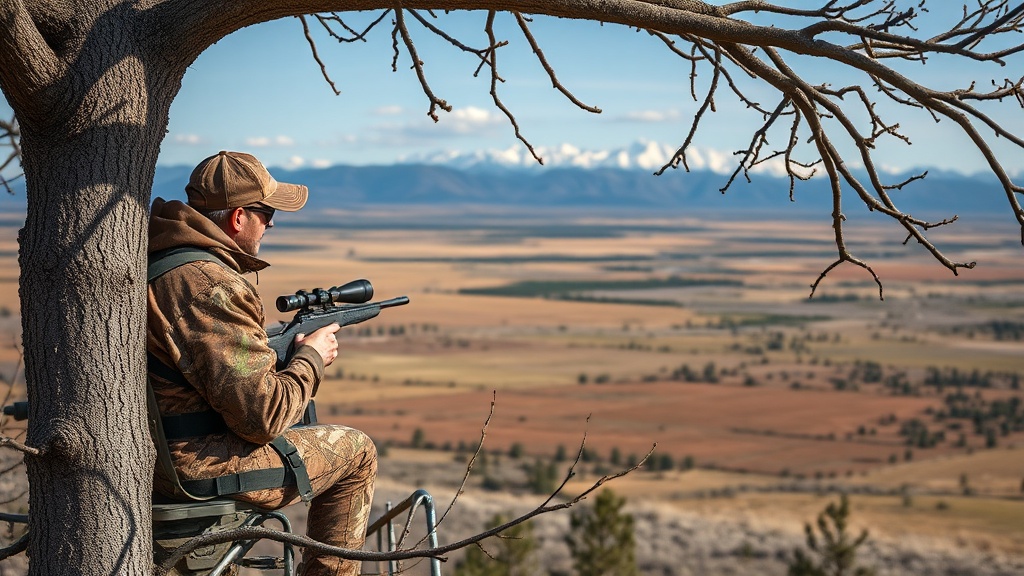 For prairie pothole and marsh hunting, set up before dawn on the downwind edge of a wetland with a spread of decoys. Mallards and gadwall typically work the potholes at first light, dropping in to feed and loaf. A modest spread of a dozen to two dozen decoys is often sufficient on smaller wetlands. Concealment is critical on the open prairie, so use natural vegetation, portable blinds, or layout blinds to break up your outline.
For field hunting, scout feeding patterns in grain stubble fields during the afternoon and set up the following morning over a spread of full-body goose or duck decoys. Montana’s agricultural fields attract large numbers of Canada geese and mallards during the fall. Layout blinds and field blinds concealed in stubble are the standard setup.
River hunting on the Missouri and its tributaries is a Montana tradition. Float trips by canoe, kayak, or jon boat allow hunters to cover miles of river and jump-shoot ducks and geese along the banks, islands, and backwater channels. Work quietly downstream, staying alert for birds loafing on gravel bars and in slack-water areas.
Late-season hunting when temperatures drop and northern birds push south can produce some of Montana’s best waterfowl action. Be prepared for extreme cold but also for large concentrations of birds on the remaining open water.
Gear Considerations
Montana waterfowl hunting demands gear that can handle cold, wet, and windy conditions. Early-season teal hunts may be mild, but the bulk of the duck and goose season occurs in cold weather, with sub-zero temperatures common during late-season hunts.
Key gear for Montana waterfowl hunting includes:
- A reliable 12-gauge shotgun with a modified or improved-cylinder choke, suited to steel shot loads
- Non-toxic ammunition in appropriate sizes: steel shot in sizes 2 through 4 for ducks, BB or T for geese
- Insulated, waterproof waders (neoprene or breathable depending on conditions) for marsh and river hunting
- A layout blind or portable ground blind for field and open-prairie setups
- Decoys matched to the species and setting: floating decoys for water, full-body decoys for field hunting
- Warm, layered clothing rated for cold and wind, including waterproof outer layers, insulated gloves, and a face mask or balaclava
- A reliable retriever or a decoy retrieval system for collecting downed birds in deep water
For detailed gear recommendations, visit the gear hub.
Plan Your Hunt
Montana waterfowl hunting rewards hunters who time their trips to coincide with migration pushes and who invest in scouting feeding and loafing patterns. Whether you are hunting the prairie potholes, floating the Missouri, or hunkered in a grain field under a flight of Canadas, the state delivers a world-class waterfowl experience. These resources will help:
- Waterfowl Hunting Guide – species identification, behavior, and general strategies
- Montana Location Hub – overview of hunting in Big Sky Country
- Scouting Basics – how to read sign and pattern game
- First-Time Hunter Checklist – everything you need before your first hunt
Explore Related Topics:
Notice an update we should make?
We strive for accuracy. Contact us here if you see incorrect or outdated info on this page.