Missouri occupies a prime position at the crossroads of the Mississippi and Central flyways, making it one of the most important waterfowl states in the country. Commonly hunted species include Mallard, Wood Duck, Pintail, Teal, Canada Goose, Snow Goose. The Missouri River corridor slices through the center of the state, and the Mississippi River forms its entire eastern border, creating vast river bottomland habitats that have drawn migrating ducks and geese for millennia. Add in a network of managed wetlands on conservation areas, agricultural grain fields, and natural oxbow lakes, and Missouri offers waterfowl hunting opportunities that rival any state in the Mississippi Flyway.
| Season Type | Opens | Closes | Notes |
|---|---|---|---|
| Early Teal | September 6, 2025 | September 21, 2025 | Early teal season. Teal only. |
| North Zone | October 25, 2025 | December 30, 2025 | Duck season north zone. Follows federal frameworks. Split season possible. |
| South Zone | November 1, 2025 | January 13, 2026 | Duck season south zone. Follows federal frameworks. Split season possible. |
The Missouri Department of Conservation (MDC) manages waterfowl hunting within the federal framework, establishing season dates and bag limits that align with flyway regulations. Missouri is particularly known for its managed waterfowl areas, where the MDC floods agricultural fields and moist-soil wetlands to create ideal habitat for migrating ducks. These areas draw enormous concentrations of mallards, pintail, gadwall, and geese during the peak migration period. The state also provides excellent goose hunting, with both resident and migratory Canada geese, snow geese, and white-fronted geese using Missouri’s agricultural landscape.
Always verify current season dates, bag limits, and legal requirements through the official MDC regulations before heading afield. Waterfowl regulations change annually and are subject to federal flyway frameworks.
Season Overview
Missouri’s duck season typically runs in split segments, with an early segment opening in late October or early November and a second segment extending through late January. The split structure is designed to coincide with peak migration through the state. Goose seasons have separate frameworks, with dark goose (Canada and white-fronted) and light goose (snow and Ross’s) seasons running from fall through winter.
 An early teal season in September targets migrating blue-winged and green-winged teal. Youth waterfowl hunting weekends provide early opportunities before the general duck opener. A light goose conservation order extends beyond the regular season and allows expanded harvest methods.
For full season details, visit the Missouri hunting seasons page.
Licensing and Tags
To hunt waterfowl in Missouri, you need a valid Missouri hunting permit, a Missouri migratory bird hunting permit, and a Federal Migratory Bird Hunting and Conservation Stamp (federal duck stamp). Residents purchase a resident hunting permit plus the required stamps and permits. Nonresidents need a nonresident hunting permit plus the same federal and state stamps. Residents can expect to pay for a resident hunting license, while nonresidents should budget for the higher nonresident fee.
Missouri requires hunters to register with the Harvest Information Program (HIP) before hunting any migratory birds. HIP registration is free and is completed during the permit purchase process. Some managed waterfowl areas require additional daily permits or reservations through the MDC’s managed hunt system.
For a complete breakdown of permit types and how to purchase them, see the Missouri hunting license guide.
Regulations Highlights
Missouri waterfowl hunting regulations follow the Mississippi and Central Flyway frameworks. Key rules to be aware of include:
 <strong>Daily limit:</strong> 6 | <strong>Possession limit:</strong> 18
- Bag limits: Daily bag limits for ducks follow federal framework limits, with species-specific restrictions for pintail, canvasback, and other managed species. Goose limits vary by species and season segment.
- Non-toxic shot: Federal law requires the use of non-toxic shot (steel, bismuth, tungsten, etc.) for all waterfowl hunting. Lead shot is prohibited.
- Shooting hours: Waterfowl hunting hours are typically from one-half hour before sunrise to sunset.
- Plugged shotguns: Shotguns must be plugged to hold no more than three shells total during regular duck and goose seasons. The conservation order for light geese may allow unplugged shotguns and electronic calls.
- Managed area rules: Missouri’s managed waterfowl areas often have specific rules including designated shooting times, blind assignments, party size limits, and daily draw systems. Check area-specific rules before hunting.
- Federal duck stamp: A valid, signed Federal Migratory Bird Hunting and Conservation Stamp is required for all waterfowl hunters age 16 and older.
- HIP registration: All migratory bird hunters must be registered with the Harvest Information Program.
Review the full set of rules on the Missouri hunting regulations page.
Where to Hunt
Missouri’s conservation area system provides some of the best managed public waterfowl hunting in the nation. Key areas include:
- Swan Lake National Wildlife Refuge – Located in north-central Missouri’s Chariton River bottoms, Swan Lake is one of the premier waterfowl destinations in the Mississippi Flyway. The refuge and surrounding conservation areas hold massive concentrations of ducks and geese during peak migration. Public hunting is available on designated units.
- Duck Creek Conservation Area – In southeastern Missouri’s bootheel region, Duck Creek is legendary for flooded timber mallard hunting. The MDC manages water levels to flood standing timber, creating classic green-timber hunting that draws waterfowlers from across the country.
- Fountain Grove Conservation Area – In north-central Missouri, Fountain Grove features managed moist-soil wetlands and flooded agricultural fields that attract large numbers of ducks and geese. A daily draw system manages hunter access.
- Bob Brown Conservation Area – Located along the Missouri River in northwest Missouri, Bob Brown provides quality waterfowl hunting on managed wetlands and river bottom habitats.
- Four Rivers Conservation Area – In west-central Missouri, Four Rivers offers a mix of managed wetlands and agricultural habitat that supports strong waterfowl numbers during migration.
Missouri’s managed waterfowl areas often use daily draw systems for blind assignments. Arriving early and understanding the draw process is essential. Learn more about access options on the Missouri hunting land page.
Tactics and Strategies
Waterfowl hunting tactics in Missouri vary by habitat type and location. The state’s managed waterfowl areas are the backbone of the public land experience. On areas like Duck Creek, the tactic is classic flooded timber hunting: wading into standing timber with a small spread of mallard decoys placed in openings between the trees, then using a combination of calling and patience to work circling birds into range. Timber hunting demands good calling skills and the ability to read bird behavior as they circle overhead.
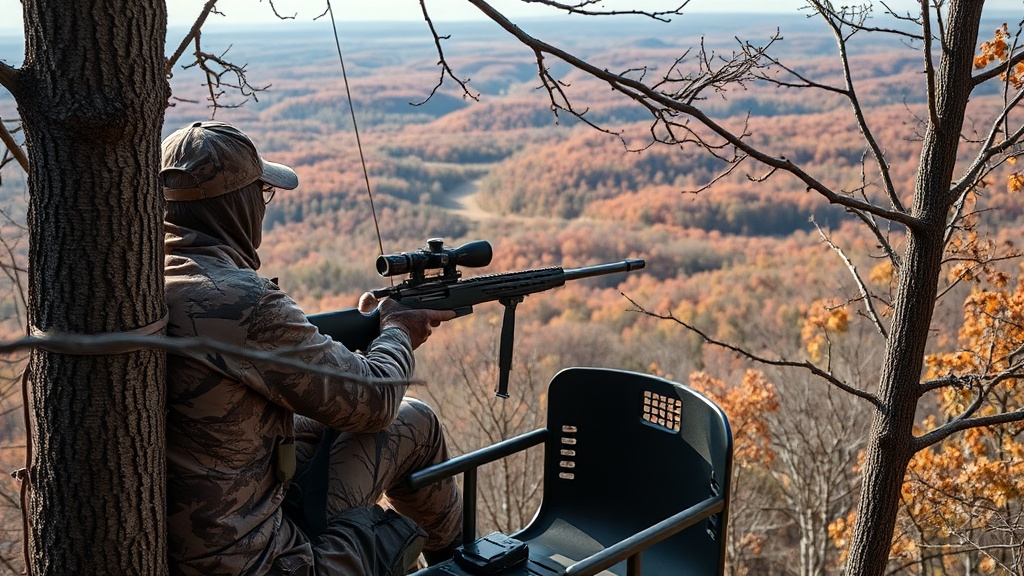 On the managed moist-soil wetlands and flooded grain fields at areas like Fountain Grove and Swan Lake, hunters set up in designated blinds or hunt the edges of flooded units. Decoy spreads in these open environments tend to be larger, and calling is used to grab the attention of passing flocks and turn them into the decoys. Hunting over managed moist-soil habitat produces a diverse bag of species, including mallards, gadwall, wigeon, teal, and pintail.
Agricultural field hunting for geese is productive in Missouri’s grain-producing regions. Scouting harvested cornfields and soybean fields where geese are feeding, then setting up layout blinds and large decoy spreads in those fields the next morning, is a proven approach for both Canada geese and snow geese.
River hunting on the Missouri and Mississippi rivers offers its own opportunities. Hunting sandbars, wing dikes, and backwater sloughs from boat blinds or temporary setups produces good shooting on mallards, gadwall, and diving ducks. River hunting requires knowledge of water levels, current patterns, and bird movement along the corridor.
Gear Considerations
Missouri’s waterfowl season runs from September teal hunts through late January duck season and into February and March for the light goose conservation order. Mid-winter hunts along the Missouri and Mississippi rivers can bring brutally cold temperatures, ice, and wind. Warmth and waterproofing are critical.
Key gear for Missouri waterfowl hunting includes:
- A 12-gauge shotgun suited to waterfowl hunting, with non-toxic shot in appropriate sizes for the target species
- Quality insulated neoprene waders for cold-water timber and wetland hunting, or breathable waders for early-season warmth
- A spread of decoys matched to the hunting style, from a dozen mallard decoys for timber hunting to large field spreads for goose hunting
- A reliable duck call and goose call, with skill in working mallards in timber a near-necessity for Missouri’s flooded timber areas
- Insulated, waterproof camouflage outerwear and gloves rated for sub-freezing conditions
- A layout blind for field hunting or a boat blind for river and open-water setups
- A trained retriever, especially for timber and deep-water hunting where birds fall in difficult-to-reach places
- Hand and toe warmers for long, cold sits in the blind
For detailed gear recommendations, visit the gear hub.
Plan Your Hunt
Missouri’s position at the junction of two major flyways and its outstanding managed wetland system make it a top-tier waterfowl hunting destination. Scout flight patterns and feeding areas before each hunt, understand the managed area draw systems, and be prepared for the demanding cold-weather conditions that come with peak migration. These resources will help you put a hunt together:
- Waterfowl Hunting Guide – species identification, behavior, and general strategies
- Missouri Location Hub – overview of hunting in the Show-Me State
- Scouting Basics – how to read sign and pattern game
- First-Time Hunter Checklist – everything you need before your first hunt
Explore Related Topics:
Notice an update we should make?
We strive for accuracy. Contact us here if you see incorrect or outdated info on this page.