Minnesota is one of the top waterfowl hunting states in the nation, and for good reason. Commonly hunted species include Mallard, Wood Duck, Pintail, Teal, Canada Goose, Snow Goose. With more than 10,000 lakes, vast wetland complexes, and a position at the overlap of the Mississippi and Central Flyways, the state produces and attracts enormous numbers of ducks and geese each year. The prairie pothole region of western and southern Minnesota is one of the most important duck breeding areas on the continent, and the state’s northern lakes, river corridors, and agricultural lands all contribute to a waterfowl hunting tradition that is deeply woven into Minnesota culture.
| Season Type | Opens | Closes | Notes |
|---|---|---|---|
| Early Teal | September 1, 2025 | September 14, 2025 | Early teal-only season. Teal only. |
| North Zone | September 20, 2025 | November 25, 2025 | Duck season north zone. Follows federal frameworks. May include split seasons. |
| South Zone | October 4, 2025 | December 16, 2025 | Duck season south zone. Follows federal frameworks. May include split seasons. |
The Minnesota Department of Natural Resources (MNDNR) manages waterfowl seasons in coordination with the U.S. Fish and Wildlife Service, which sets the federal framework. Minnesota’s duck harvest regularly ranks among the highest in the country. Mallards are the primary target, but hunters also pursue wood ducks, blue-winged and green-winged teal, gadwall, widgeon, canvasbacks, ring-necked ducks, and other species. Canada geese are abundant across the state, and snow goose migration provides additional opportunities.
Whether you hunt the prairie sloughs west of Minneapolis, the big lakes near Duluth, the Mississippi River corridor near Rochester, or the remote lakes of the north, Minnesota delivers world-class waterfowl hunting. Always check current state and federal regulations before the season, as dates, bag limits, and zone boundaries are set annually.
Season Overview
Minnesota’s duck season typically opens in late September and runs through late November or early December, depending on the zone. The state is divided into waterfowl hunting zones – commonly a north zone, south zone, and occasionally additional zones – with staggered opening dates that align with local migration patterns.
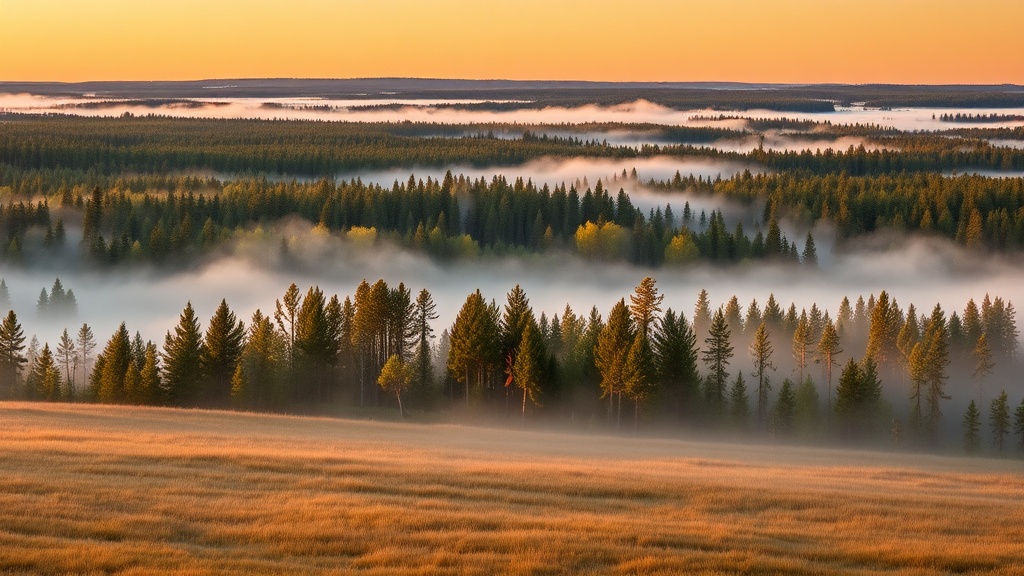 An early teal season in September targets blue-winged teal before they begin their early southward migration. Canada goose seasons include a special early season in September for resident birds and a regular season that runs concurrently with or beyond the duck season. Snow goose and light goose conservation order seasons extend the opportunity into late winter and spring.
The peak of duck migration through Minnesota typically occurs from mid-October through early November, driven by cold fronts that push birds off northern breeding areas. The opening weeks of duck season often provide the best action, with locally produced birds still on the water and the first waves of migrants arriving.
For current season dates and zone maps, visit the Minnesota hunting season page.
Licensing and Tags
Waterfowl hunters in Minnesota need a valid small game hunting license, a Minnesota waterfowl stamp, and a Federal Duck Stamp (required for all waterfowl hunters age 16 and older). Youth hunters may qualify for reduced licensing requirements. Residents can expect to pay for a resident hunting license, while nonresidents should budget for the higher nonresident fee.
HIP (Harvest Information Program) registration is mandatory for all migratory bird hunters. This federal program collects harvest data to support flyway-level population management.
Nonresidents can purchase licenses but should be aware that some WMAs and managed areas may have specific rules about nonresident access during early-season periods.
For full licensing details and purchasing information, see the Minnesota hunting license guide.
Regulations Highlights
Minnesota waterfowl regulations include both state and federal rules:
 <strong>Daily limit:</strong> 6 | <strong>Possession limit:</strong> 18
- Bag limits are species-specific and set annually. Individual limits for mallards, pintails, canvasbacks, redheads, wood ducks, and other species apply within the overall daily bag.
- Shooting hours begin thirty minutes before sunrise and end at sunset.
- Non-toxic shot is required for all waterfowl hunting. Lead shot is prohibited.
- Shotgun capacity – Shotguns must be plugged to hold no more than three shells total.
- Zone-specific dates – Opening and closing dates differ between zones. Know which zone your hunting area falls within.
- Motor restrictions on certain lakes and WMAs may limit boat size, motor type, or speed.
- Refuges and closed areas on some lakes and wetlands restrict hunting during portions of the season to provide resting areas for migrating birds.
- Baiting is prohibited under federal law.
Review all current regulations on the Minnesota hunting regulations page.
Where to Hunt
Minnesota’s public waterfowl hunting opportunities are extensive, with thousands of WMAs, state forests, and federally managed areas available. Top destinations include:
- Thief Lake WMA – Located in the prairie pothole region of northwestern Minnesota, Thief Lake is one of the state’s premier waterfowl areas. The managed wetlands and surrounding agricultural fields attract massive concentrations of ducks and geese during migration.
- Lac qui Parle WMA – In west-central Minnesota along the Minnesota River, this large WMA features managed impoundments and river bottom wetlands that draw geese and ducks in enormous numbers during fall migration.
- Roseau River WMA – Near the Canadian border, this area provides outstanding early-season hunting for locally produced ducks on shallow wetlands and wild rice lakes.
- Big Stone National Wildlife Refuge – On the Minnesota-South Dakota border, Big Stone’s managed wetlands along the Minnesota River attract ducks and geese migrating through the Central Flyway.
- Mississippi River pools – The stretches of the Mississippi River in southeastern Minnesota near Rochester and Winona hold diving ducks, mallards, and Canada geese during fall migration. Islands, backwaters, and wing dams create excellent setup locations.
For more public waterfowl hunting areas, visit the Minnesota land access guide.
Tactics and Strategies
Minnesota’s varied waterfowl habitat supports a wide range of hunting approaches.
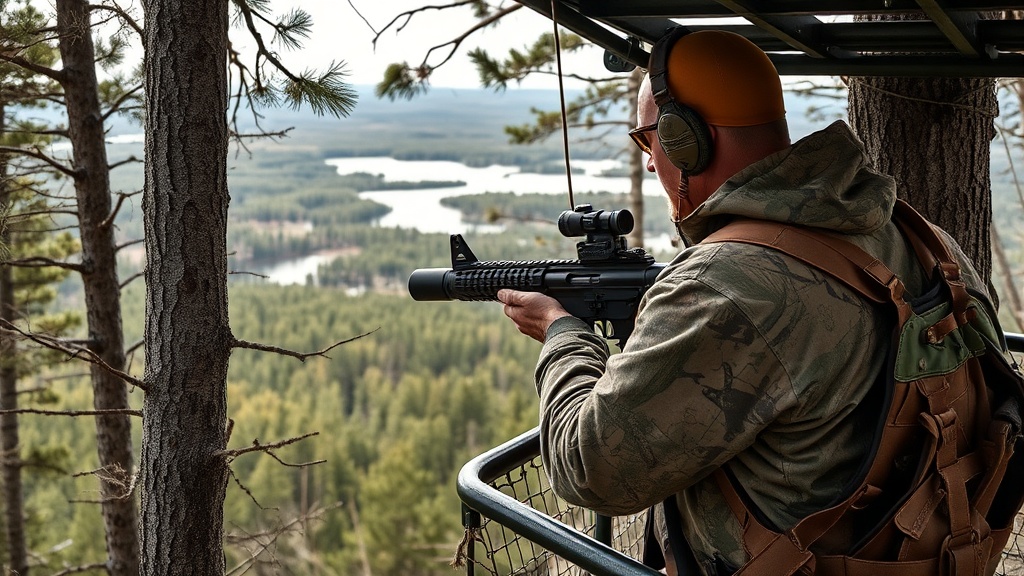 Prairie pothole hunting. The shallow marshes, sloughs, and potholes of western and southern Minnesota are duck factories. Small-water hunting is the classic Minnesota experience – set up on a pothole or marsh edge at first light with a modest decoy spread of one to three dozen, and work the birds that trade between wetlands. Scout multiple potholes to find where birds are concentrated. This run-and-gun style, moving between several spots in a morning, is often more productive than committing to one location. Teal, mallards, gadwall, and widgeon are all common on the potholes.
Big-lake hunting. Larger lakes attract rafts of diving ducks – canvasbacks, ring-necks, bluebills, and buffleheads – along with dabbling species in sheltered bays. Hunt wind-blown points, narrows between lake sections, and rocky reefs where current concentrates food. Layout boats and open-water spreads with multiple species of diver decoys are effective. Big-lake hunting can be physically demanding and requires a seaworthy boat and attention to weather conditions.
River hunting. The Mississippi River and its tributaries provide outstanding waterfowl hunting. Float stretches of river in a canoe or jon boat to jump ducks from backwaters and sloughs. Set up on islands or sandbars with decoy spreads to attract passing birds. Wing dams on the Mississippi create current breaks that concentrate food and attract diving ducks.
Field hunting. Harvested cornfields, soybean fields, and small grain stubble across southern and western Minnesota attract huge numbers of Canada geese and feeding ducks. Scout fields in the evening to identify where birds are landing, then set up before dawn with full-body goose decoys or duck decoys in the field. Field hunting can produce fast, high-volume shooting when birds are committed to a food source.
Managed area hunts. WMAs like Thief Lake and Lac qui Parle offer managed hunting opportunities that may include assigned zones, check-in requirements, or limited-entry draws. These areas concentrate birds through habitat management, and the hunting can be exceptional when migration is peaking.
Gear Considerations
Minnesota’s waterfowl season starts in the relative warmth of late September and extends into the bitter cold of late fall and early winter. Early-season hunters need lightweight, breathable waders and warm-weather clothing, but by late October and November, conditions can turn harsh – cold rain, sleet, snow, and temperatures well below freezing are common.
Chest waders are essential for most Minnesota waterfowl hunting. Neoprene waders rated for cold water are the best choice for late-season hunts. For early teal season, breathable waders keep you comfortable in warm weather. A quality wading belt and careful footing are important in mucky pothole bottoms.
A 12-gauge shotgun handles the full range of Minnesota waterfowl situations, from close-range teal on potholes to long-range passes at geese in fields. A 20-gauge works well for small-water duck hunting. Use appropriate non-toxic shot sizes for your target species and always carry enough shells for a full morning.
Decoy selection depends on your hunting style. Pothole hunters need a portable spread of one to three dozen mallard and teal decoys. Big-lake and river hunters need larger spreads with diver species represented. Field hunters need full-body or shell goose decoys, often in quantities of several dozen or more. A reliable duck call and a goose call are must-haves.
Insulated, waterproof hunting boots rated for cold conditions are critical for late-season hunts. Hand warmers, insulated gloves, and a balaclava or face covering protect against wind chill in exposed prairie and lake environments. For additional gear, visit the gear section.
Plan Your Hunt
Minnesota’s flyway position, prairie pothole breeding habitat, thousands of lakes, and deep waterfowling tradition combine to make it one of the best states in the country for duck and goose hunting. Start planning with these resources:
- Waterfowl Hunting Guide – Species identification, decoy strategies, and calling techniques
- Minnesota Location Hub – Hunting opportunities across the state
- Scouting Basics – How to find birds and plan your setup
- First-Time Hunter Checklist – Essential preparation for waterfowl season
Explore Related Topics:
Notice an update we should make?
We strive for accuracy. Contact us here if you see incorrect or outdated info on this page.