Kansas sits in the heart of the Central Flyway and provides outstanding waterfowl hunting for species including Mallard, Wood Duck, Pintail, Teal, Canada Goose, Snow Goose. The state’s position along major migration corridors, combined with critical wetland habitats, makes it a key staging and wintering area for millions of waterfowl each fall and winter. Cheyenne Bottoms, located in central Kansas near Great Bend, is recognized as one of the most important wetlands in the Western Hemisphere, and it anchors a network of marshes, reservoirs, and agricultural fields that draw massive concentrations of birds. The Kansas Department of Wildlife and Parks (KDWP) manages waterfowl hunting through seasons set within the federal framework established by the U.S. Fish and Wildlife Service.
| Season Type | Opens | Closes | Notes |
|---|---|---|---|
| Early Teal | September 6, 2025 | September 21, 2025 | Early teal-only season. Blue-winged and green-winged teal. |
| General | October 11, 2025 | January 4, 2026 | Duck season. Follows federal frameworks. Dates vary by zone (High Plains, Low Plains, SE). |
Kansas’s waterfowl habitat ranges from the vast marshes of Cheyenne Bottoms and Quivira National Wildlife Refuge to agricultural grain fields, river systems, and smaller wetlands scattered across the state. The agricultural flatlands of central and western Kansas provide waste grain in harvested wheat, milo, and corn fields that attract geese and dabbling ducks. The river bottomlands of the Kansas, Arkansas, and Republican rivers offer additional loafing and feeding habitat. Hunters near Wichita, Topeka, and Manhattan can access productive waterfowl areas within reasonable drives.
Always verify current season dates, bag limits, and legal requirements through the official KDWP and federal regulations before heading afield. Waterfowl seasons and frameworks are set annually and can change based on population surveys and habitat conditions.
Season Overview
Kansas waterfowl seasons follow the Central Flyway framework and typically include split seasons for ducks and extended seasons for geese. Duck season generally opens in October and may include an early teal season in September. The regular duck season runs through January, often with a split that closes for a period in November or December before reopening. Goose seasons for Canada geese, white-fronted geese, snow geese, and other species have their own frameworks, with some goose seasons extending into February or later, particularly the light goose conservation order.
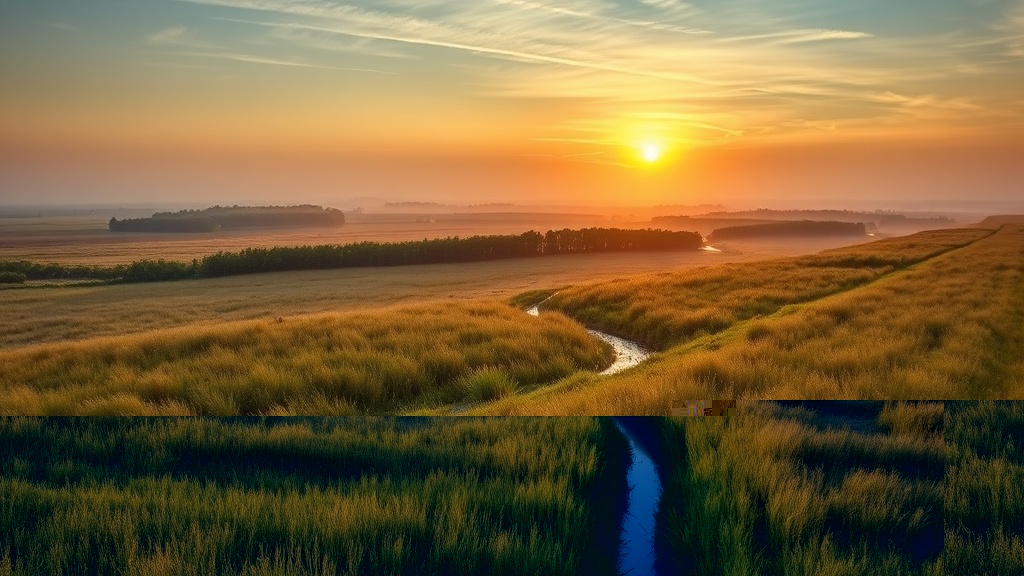 A youth waterfowl hunting day is usually available before the regular duck season opener, providing young hunters with a low-pressure introduction. Season dates, zone splits, and daily bag limits are set each year based on flyway-wide population data.
For full season details, visit the Kansas hunting seasons page.
Licensing and Tags
Waterfowl hunters in Kansas need a valid Kansas hunting license, a state waterfowl stamp (also known as a habitat stamp), and a federal duck stamp (Migratory Bird Hunting and Conservation Stamp). Both residents and nonresidents must carry these credentials while hunting waterfowl. Hunters must also register through the Harvest Information Program (HIP), which collects data on migratory bird harvest across the country. Residents can expect to pay $27.50 for a resident hunting license, while nonresidents should budget for the higher $97.50 nonresident fee.
Kansas does not use a draw or lottery system for general waterfowl hunting, so licenses and stamps are available over the counter. Some managed public areas may require special permits or reservations during peak periods.
For a complete breakdown of license types and purchasing options, see the Kansas hunting license guide.
Regulations Highlights
Kansas waterfowl regulations combine state rules with federal migratory bird regulations. Key rules include:
 <strong>Daily limit:</strong> 6 | <strong>Possession limit:</strong> 18
- Bag limits: Daily bag limits for ducks, geese, and other species are set annually within the federal framework. Species-specific limits apply, with restrictions on hen mallards, canvasbacks, and other species as determined each year.
- Non-toxic shot: Federal law requires the use of non-toxic shot (steel, bismuth, tungsten, etc.) for all waterfowl hunting. Lead shot is prohibited.
- Legal weapons: Shotguns are the primary legal weapon for waterfowl. Shotguns must be plugged to hold no more than three shells total (one in the chamber and two in the magazine).
- Hunting hours: Waterfowl hunting is legal from one-half hour before sunrise to sunset.
- Boat and blind regulations: Specific rules govern the use of boats, layout blinds, and temporary blinds on public waters and marshes.
- Federal duck stamp: Required for all waterfowl hunters age 16 and older.
Review the full set of rules on the Kansas hunting regulations page.
Where to Hunt
Kansas has world-class public waterfowl hunting areas anchored by wetlands of international significance. Top destinations include:
Cheyenne Bottoms Wildlife Area – This 19,000-acre wetland complex near Great Bend is one of the most important migration staging areas in the Central Flyway. It attracts enormous concentrations of ducks, geese, and shorebirds. Managed water levels create ideal habitat, and designated hunting areas are available during season. This is arguably the premier public waterfowl hunting site in Kansas.
Quivira National Wildlife Refuge – Located south of Great Bend, Quivira encompasses over 22,000 acres of salt marshes, grasslands, and agricultural fields. The refuge offers designated waterfowl hunting areas and draws impressive numbers of ducks and geese during migration.
McPherson Wetlands – A series of state and local wetland areas in the McPherson area that provide walk-in waterfowl hunting in smaller marsh units.
Milford Wildlife Area – Along the Republican River and Milford Reservoir in north-central Kansas, this area provides reservoir and river-bottom waterfowl habitat that attracts diving ducks, dabblers, and geese.
WIHA wetland tracts – The Walk-In Hunting Access program includes seasonal wetland tracts and agricultural fields that can provide excellent pass-shooting and field-hunting opportunities for geese and ducks.
For more on public access options, visit the Kansas hunting land page.
Tactics and Strategies
Kansas waterfowl hunting tactics revolve around the state’s two primary habitat types: wetland marsh hunting and agricultural field hunting. In the marshes of Cheyenne Bottoms and Quivira, hunters set up in flooded vegetation, shallow water, or along marsh edges with decoy spreads designed to attract ducks dropping into loafing and feeding areas. Mallards, pintails, green-winged teal, and other dabbling ducks work the shallow marshes, while diving ducks may be found on deeper reservoir waters.
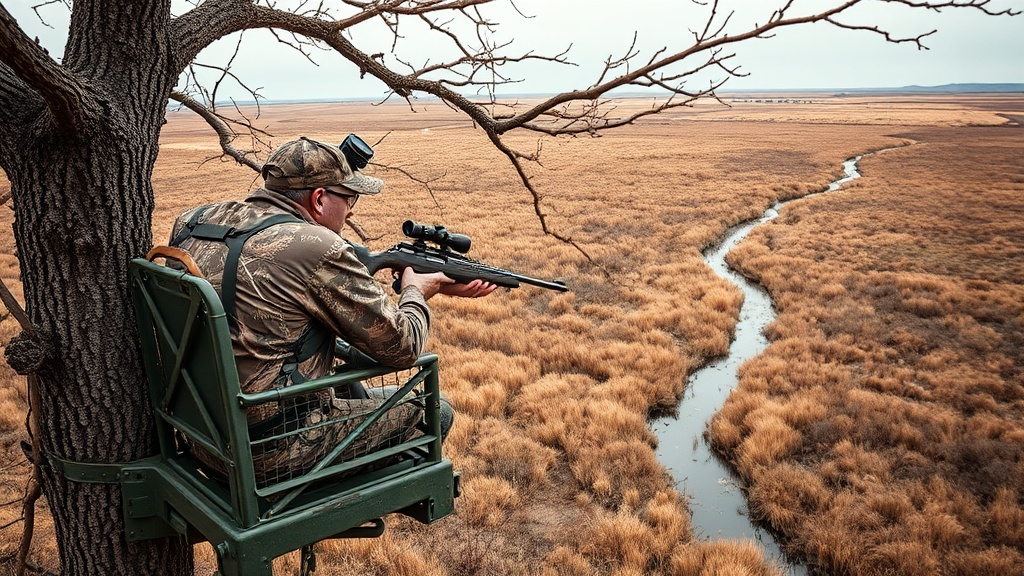 Field hunting for geese and ducks is a signature Kansas experience. Large flocks of Canada geese, snow geese, and white-fronted geese feed in harvested grain fields, particularly milo, corn, and wheat stubble. Scouting to locate where birds are feeding, then gaining permission to hunt that field or using WIHA access, allows you to set up in the X with a spread of full-body decoys. Layout blinds or low-profile ground blinds concealed with stubble are the standard field-hunting approach.
Pass shooting along flight corridors between roosting wetlands and feeding fields can also be productive, particularly during early morning and late afternoon flights. Positioning between Cheyenne Bottoms and surrounding agricultural fields puts hunters in the path of birds moving between water and food.
Calling is important for both marsh and field hunting. Mallard calling, speck (white-fronted goose) calls, and Canada goose calls all have a role in convincing circling birds to commit to the spread.
Gear Considerations
Kansas waterfowl season spans fall and winter, with conditions ranging from mild early teal season days to bitterly cold and windy late-season hunts. The state’s notorious wind is both a challenge and an advantage, as it keeps birds moving and committed to decoy spreads.
Key gear for Kansas waterfowl hunting includes:
- A 12-gauge shotgun in a reliable pump or semi-automatic action, with non-toxic loads in appropriate shot sizes for ducks and geese. Steel, bismuth, and tungsten options each have their advantages.
- Insulated, waterproof waders for marsh hunting and wet field conditions
- A quality layout blind and stubble straps for field hunting
- A substantial decoy spread: full-body goose decoys for field hunting and floating duck decoys for marsh setups
- Warm, waterproof hunting boots for dry-field goose hunts
- Layered, wind-resistant clothing with waterproof outer shells
- A reliable dog or game strap for retrieving birds from marsh and field
For detailed gear recommendations, visit the gear hub.
Plan Your Hunt
Kansas is a Central Flyway powerhouse for waterfowl, offering world-renowned wetlands and productive agricultural field hunting. Use these resources to build your hunt plan:
- Waterfowl Hunting Guide – Species identification, migration patterns, and general strategies
- Kansas Location Hub – Overview of hunting opportunities across the state
- Scouting Basics – How to pattern waterfowl movement and locate feeding areas
- First-Time Hunter Checklist – Everything you need before your first hunt
Explore Related Topics:
Notice an update we should make?
We strive for accuracy. Contact us here if you see incorrect or outdated info on this page.