California is one of the most important states for waterfowl in the entire Pacific Flyway, serving as a critical wintering ground for millions of ducks and geese. Commonly hunted species include Mallard, Wood Duck, Pintail, Teal, Canada Goose, Snow Goose, many of which breed across western North America and into the Arctic. The Sacramento Valley, Central Valley, and Klamath Basin form the backbone of California’s waterfowl habitat, with vast complexes of managed wetlands, rice fields, and seasonal marshes that support staggering concentrations of birds during the fall and winter months. The California Department of Fish and Wildlife (CDFW) manages waterfowl hunting within the federal framework, providing one of the longest and most diverse waterfowl seasons in the country.
| Season Type | Opens | Closes | Notes |
|---|---|---|---|
| General | October 18, 2025 | January 25, 2026 | Follows USFWS Pacific Flyway frameworks. Dates vary by zone (Northeastern, Southern San Joaquin Valley, Balance of State). |
Hunters near Sacramento are positioned in the heart of California’s waterfowl country, with world-class public and private hunting areas within easy reach. Hunters from Los Angeles and San Francisco also make the drive to the valley each season, drawn by the sheer abundance of birds and the variety of species available. California regularly ranks among the top states in the Pacific Flyway for total duck and goose harvest.
California waterfowl hunting is governed by both federal and state regulations that change annually. Hunters should verify all season dates, bag limits, and zone requirements through the CDFW before each season.
Season Overview
California’s waterfowl season is among the longest in the nation, typically running from mid-October through late January for ducks in most zones. The state is divided into multiple waterfowl zones, including the Sacramento Valley, San Joaquin Valley, Southern California, Northeastern California, and Balance of State zones. Each zone may have slightly different opening and closing dates.
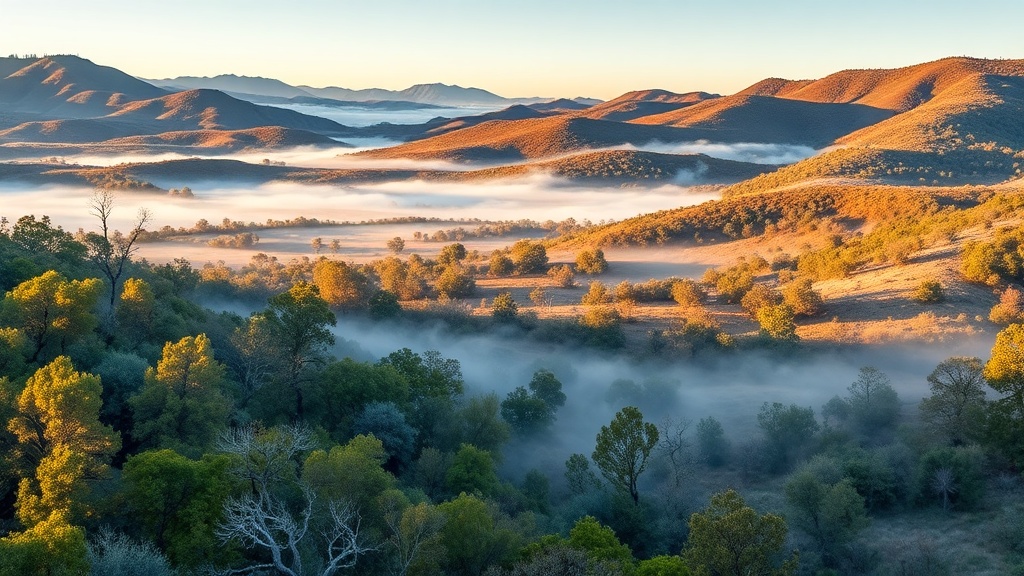 An early teal-only season in September targets the southward migration of cinnamon, blue-winged, and green-winged teal. The regular duck season opens in October and often includes split segments depending on the zone. Goose seasons, including white-fronted geese, snow geese, Ross’s geese, and Canada geese, generally run concurrent with or extend beyond the duck season. Special conservation orders for light geese may extend hunting opportunity into February or March.
Youth waterfowl hunting days are offered before the regular season opens.
For current zone maps and season dates, visit the California hunting seasons page.
Licensing and Tags
California waterfowl hunters need a valid hunting license, a California state duck stamp (waterfowl validation), a federal Migratory Bird Hunting and Conservation Stamp (duck stamp), and registration in the Harvest Information Program (HIP). The federal duck stamp must be signed across the face. All are available over the counter, with no draw or lottery required for general waterfowl hunting. Residents can expect to pay $55.63 for a resident hunting license, while nonresidents should budget for the higher $194.08 nonresident fee.
Some state and federal wildlife areas require a special reservation or blind drawing for managed hunts. The state’s Type A and Type B wildlife areas use different access systems, and hunters should understand the reservation process for their chosen area before the season. These reservation systems can be competitive for the most popular areas and dates.
Nonresidents may purchase all necessary licenses and stamps. Youth and apprentice license programs provide reduced-fee options for new hunters.
For complete licensing and stamp details, visit the California hunting license guide.
Regulations Highlights
<strong>Daily limit:</strong> 7 | <strong>Possession limit:</strong> 21 California’s waterfowl regulations follow federal frameworks with some state-specific additions. Daily duck bag limits are species-specific, with separate limits for pintail, canvasback, scaup, and other species that may be below the general aggregate limit. Goose bag limits vary by species, with white-fronted, snow, Ross’s, and Canada geese each subject to their own daily and possession limits.
 Non-toxic shot is mandatory for all waterfowl hunting in California, as it is nationwide. California’s additional lead ammunition ban means that all shot used for any hunting purpose must be non-lead. Steel, bismuth, and tungsten-based loads are all legal options.
Shotguns must be plugged to hold no more than three shells total. Hunting hours extend from half an hour before sunrise to sunset. Electronic calls are legal for ducks and geese in California. Hunting from motorized vehicles or boats under power is prohibited, as is hunting over bait.
Many of California’s best waterfowl areas are managed state and federal wildlife areas with specific rules regarding blinds, access hours, dog regulations, and check-in procedures. Hunters should familiarize themselves with the specific rules for each area they plan to hunt.
Full regulatory details are available on the California hunting regulations page.
Where to Hunt
California’s waterfowl hunting is centered in the Central Valley, but opportunities exist across the state. Top public areas include:
Sacramento National Wildlife Refuge Complex – This complex of federal refuges in the northern Sacramento Valley, including Sacramento, Delevan, and Colusa NWRs, hosts hundreds of thousands of ducks and geese during peak migration. Managed hunts with reserved blinds provide outstanding hunting in rice field and marsh habitats.
Gray Lodge Wildlife Area – One of California’s premier state waterfowl areas, Gray Lodge sits in the Sacramento Valley and offers managed hunts with a blind reservation system. The marsh and rice field habitat attracts huge numbers of pintail, mallards, widgeon, teal, and geese.
Grizzly Island Wildlife Area – Located in the Suisun Marsh, the largest contiguous brackish marsh on the west coast of North America, Grizzly Island offers both managed and free-roam hunting in a unique tidal marsh environment. Diving ducks and puddle ducks are both abundant.
Lower Klamath and Tule Lake National Wildlife Refuges – In the far northeastern corner of the state, these refuges on the Oregon border host massive concentrations of waterfowl during fall migration. The Klamath Basin is one of the most significant waterfowl staging areas in the Pacific Flyway.
San Jacinto Wildlife Area – In inland Southern California, this state wildlife area provides managed waterfowl hunts in marshland habitat. It is the primary public waterfowl hunting option for hunters in the greater Los Angeles and Inland Empire region.
For more on public land access and managed hunt reservations, visit the California land access guide.
Tactics and Strategies
Waterfowl hunting tactics in California are shaped by the Central Valley’s unique landscape of rice fields, managed wetlands, and marsh complexes. Rice field hunting is a signature California experience. After harvest, flooded rice fields attract enormous numbers of ducks and geese. Hunters set up in temporary blinds or layout blinds in the flooded stubble, deploying decoy spreads that match the species and conditions. A spread of mallard, pintail, and teal decoys in a rice check, with a landing zone in front of the blind, is a classic setup.
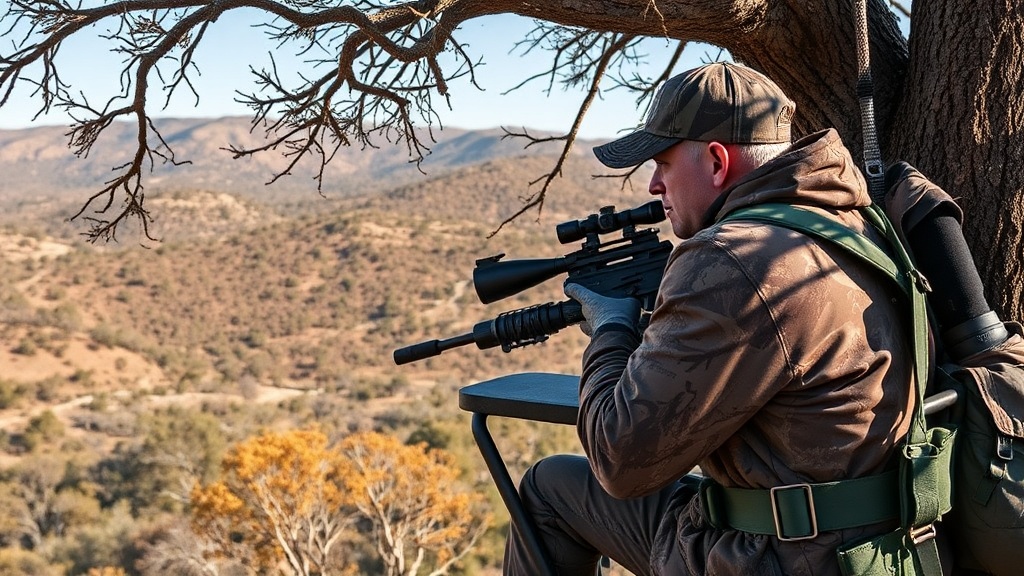 Marsh hunting on state and federal wildlife areas involves hunting from permanent or portable blinds in cattail and tule marshes. Decoy placement, calling, and concealment are all critical. California’s clear skies and calm mornings can make birds wary, so realistic decoy motion and disciplined calling are important. Spinning-wing decoys are effective early in the season but can flare educated birds later.
Goose hunting in California often focuses on white-fronted geese (specks) and snow geese in the agricultural zones. Large full-body decoy spreads in harvested rice or grain fields, combined with electronic or mouth-blown calls, are the standard approach. Snow goose hunting during the conservation order offers high-volume shooting opportunities with relaxed bag limits.
Late in the season, hunting smaller sloughs, creek channels, and marsh edges away from the heavily pressured public areas can produce quality hunts. Ducks that have been shot at on the refuges often seek out quieter water nearby.
Gear Considerations
California’s waterfowl season runs through mild to cool conditions, with mornings in the Central Valley often foggy and cool but rarely bitterly cold. Lightweight to midweight waders are sufficient for most hunts, and breathable chest waders are comfortable for the typically moderate temperatures. Early-season hunts in September can be warm, so light clothing and sun protection are relevant.
A 12-gauge shotgun is standard, though 20-gauge options work well for decoying ducks at close range. All ammunition must be non-toxic. Steel shot in sizes 2 through BB handles most duck situations, and larger steel or premium bismuth and tungsten loads are preferred for geese. California’s non-lead mandate means hunters should stock up on non-toxic loads well before the season, as availability can be limited.
Quality decoys are a worthwhile investment for California hunting. Full-body goose decoys and motion decoys like jerk rigs, mojos, and floaters add realism to spreads. A reliable duck and goose call set is essential. For field hunting, layout blinds that match the stubble color are critical for concealment in open rice fields.
Sturdy boots for walking levees and marsh edges, a blind bag with essentials, and a trained retriever or retrieval tool for downed birds round out the equipment list.
For additional gear advice, check the gear reviews section.
Plan Your Hunt
California’s Central Valley and surrounding wetlands provide some of the finest waterfowl hunting in the Pacific Flyway. Begin your planning with these resources:
- Waterfowl Hunting Guide – Species identification, decoy strategies, and calling fundamentals
- California Location Hub – Statewide hunting opportunities and regional information
- Scouting Basics – Locating flight paths, roost sites, and feeding areas
- First-Time Hunter Checklist – Preparation essentials for the season
Explore Related Topics:
Notice an update we should make?
We strive for accuracy. Contact us here if you see incorrect or outdated info on this page.