Alabama sits along the Mississippi Flyway and provides quality waterfowl hunting for species including Mallard, Wood Duck, Pintail, Teal, Canada Goose, Snow Goose, anchored by two nationally significant habitats: the Mobile-Tensaw Delta and Wheeler National Wildlife Refuge. The Mobile-Tensaw Delta, one of the largest intact river deltas in the United States, offers vast expanses of flooded timber, marsh, and open water that attract migrating ducks throughout the winter. Wheeler NWR in the Tennessee Valley of northern Alabama hosts one of the largest wintering populations of ducks and geese in the Southeast. Between these two anchors, Alabama’s rivers, reservoirs, and agricultural fields provide waterfowl hunting opportunities across the length of the state.
| Season Type | Opens | Closes | Notes |
|---|---|---|---|
| Early | November 22, 2025 | December 7, 2025 | First segment of duck season. Follows USFWS federal frameworks. |
| Late | December 13, 2025 | January 31, 2026 | Second segment of duck season. |
The Alabama Department of Conservation and Natural Resources (ADCNR) manages waterfowl hunting within the federal Mississippi Flyway framework, setting season dates and bag limits that align with flyway regulations. Alabama draws a diverse mix of waterfowl species, with mallards, gadwall, green-winged teal, wood ducks, and ring-necked ducks making up the core of the duck harvest. Canada geese and snow geese are also present, particularly in the Tennessee Valley region. The state’s mild winter climate means that open water persists through most of the season, and birds continue to use Alabama’s wetlands even during cold snaps that freeze habitats farther north.
Always verify current season dates, bag limits, and legal requirements through the official ADCNR regulations before heading afield. Waterfowl regulations change annually and are subject to federal flyway frameworks.
Season Overview
Alabama’s duck season typically runs in split segments, with an early segment opening in late November or early December and a second segment extending through late January. The split is designed to align with peak migration and wintering bird presence in the state. Goose seasons have separate frameworks, with dark goose and light goose seasons running through the winter months.
 An early teal season in September targets migrating blue-winged and green-winged teal on shallow wetlands and impoundments. Youth waterfowl hunting weekends provide early opportunities before the general duck opener. A light goose conservation order may extend the snow goose season beyond the regular framework with expanded harvest methods.
For full season details, visit the Alabama hunting seasons page.
Licensing and Tags
To hunt waterfowl in Alabama, you need a valid Alabama hunting license, a state waterfowl stamp, and a Federal Migratory Bird Hunting and Conservation Stamp (federal duck stamp). Residents purchase a resident all-game hunting license plus the required stamps. Nonresidents need a nonresident all-game hunting license or trip license plus the same federal and state stamps. Residents can expect to pay $26.30 for a resident hunting license, while nonresidents should budget for the higher $326.30 nonresident fee.
Alabama requires hunters to register with the Harvest Information Program (HIP) before hunting any migratory birds. HIP registration is free and is completed during the license purchase process. Some WMA waterfowl hunts may require additional permits or be managed through a daily draw system.
For a complete breakdown of license types and how to purchase them, see the Alabama hunting license guide.
Regulations Highlights
Alabama waterfowl hunting regulations follow the Mississippi Flyway framework. Key rules to be aware of include:
 <strong>Daily limit:</strong> 6 | <strong>Possession limit:</strong> 18
- Bag limits: Daily bag limits for ducks follow federal framework limits, with species-specific restrictions for pintail, canvasback, black ducks, and other managed species. Goose limits vary by species and season segment.
- Non-toxic shot: Federal law requires the use of non-toxic shot (steel, bismuth, tungsten, etc.) for all waterfowl hunting. Lead shot is prohibited.
- Shooting hours: Waterfowl hunting hours are typically from one-half hour before sunrise to sunset.
- Plugged shotguns: Shotguns must be plugged to hold no more than three shells total during regular duck and goose seasons. The conservation order for light geese may allow expanded methods.
- WMA-specific rules: Alabama’s WMA waterfowl hunts often have specific rules including designated blinds, daily draws, party size limits, and shooting time restrictions. Check area-specific regulations before hunting.
- Federal duck stamp: A valid, signed Federal Migratory Bird Hunting and Conservation Stamp is required for all waterfowl hunters age 16 and older.
- HIP registration: All migratory bird hunters must be registered with the Harvest Information Program.
Review the full set of rules on the Alabama hunting regulations page.
Where to Hunt
Alabama’s public waterfowl hunting is concentrated on WMAs, national wildlife refuges, and river systems. Key areas include:
- Wheeler National Wildlife Refuge – Located in the Tennessee Valley near Decatur, Wheeler NWR is Alabama’s flagship waterfowl destination. The refuge and surrounding areas host enormous concentrations of ducks and geese during winter, and public hunting is available on designated units. Managed hunts use a daily draw system.
- Mobile-Tensaw Delta – The vast river delta near Mobile offers exceptional duck hunting in flooded cypress and tupelo timber, tidal marshes, and open-water bays. Access is primarily by boat, and hunters work the flooded timber and marsh edges for mallards, gadwall, teal, and wood ducks.
- Eufaula National Wildlife Refuge – On the Chattahoochee River along the Alabama-Georgia border, Eufaula NWR provides quality waterfowl hunting on managed impoundments and river habitats.
- Swan Creek WMA – In the Tennessee Valley of northern Alabama, Swan Creek offers managed waterfowl hunting on impoundments and agricultural fields that attract wintering ducks and geese.
- Barbour County WMA – In southeastern Alabama, this WMA features beaver swamps and creek impoundments that attract wood ducks, mallards, and other puddle duck species.
Many WMA waterfowl hunts use daily draw systems for blind assignments. Arrive early and familiarize yourself with the draw process. Learn more about access options on the Alabama hunting land page.
Tactics and Strategies
Waterfowl hunting tactics in Alabama reflect the state’s two dominant habitat types: flooded timber and managed wetlands. The Mobile-Tensaw Delta is Alabama’s crown jewel for duck hunting, offering classic Southern flooded timber hunting in cypress and tupelo swamps. Hunters navigate the delta’s channels and bayous by boat, then wade into flooded timber to set small decoy spreads in openings among the trees. Calling mallards and gadwall through the timber canopy requires patience and skill, as birds often circle multiple times before committing. Knowledge of water levels and tidal influence in the lower delta is critical for finding productive timber.
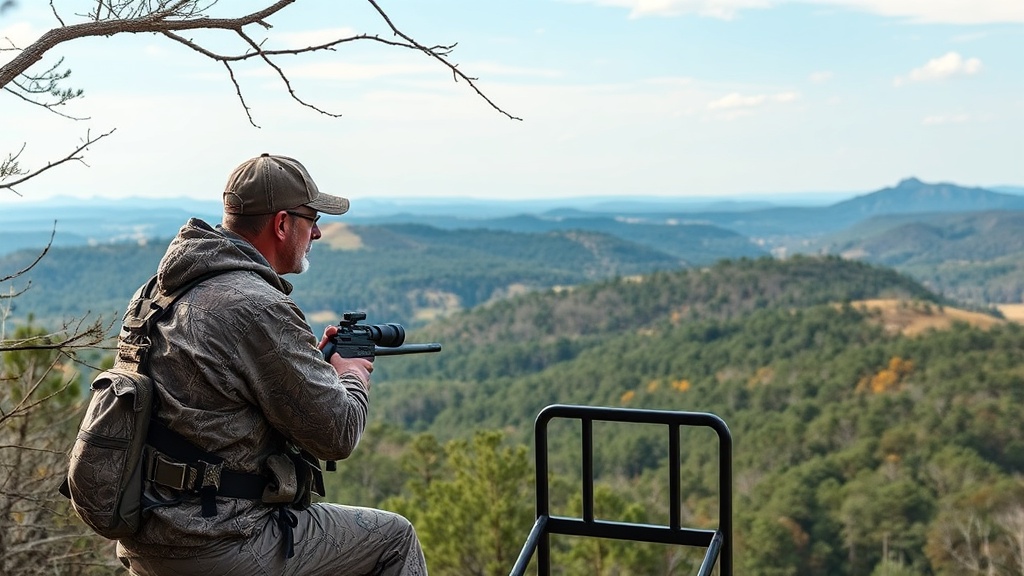 At Wheeler NWR and other managed areas in the Tennessee Valley, hunting takes place on managed impoundments and flooded agricultural fields. Hunters are assigned blinds through a daily draw and set up decoy spreads in open-water or moist-soil habitats. Large concentrations of wintering ducks in the area mean that good decoy placement and steady, confident calling can produce quality shoots.
Agricultural field hunting for geese is productive in the Tennessee Valley, where large flocks of Canada geese and snow geese feed in harvested corn and soybean fields. Layout blinds and large decoy spreads in scouted feeding fields intercept birds as they leave roost water in the morning.
Beaver pond and creek-bottom hunting across the state’s interior targets wood ducks and other puddle ducks in intimate, small-water settings. A small decoy spread and a wood duck whistle are often all that is needed on these smaller waters.
Gear Considerations
Alabama’s waterfowl season runs from September teal hunts through late January duck season and into February for late goose and conservation order seasons. Alabama’s mild winters mean that extreme cold is less common than in northern states, but cold fronts can bring freezing temperatures and rain, and delta hunting involves prolonged exposure to wet conditions.
Key gear for Alabama waterfowl hunting includes:
- A 12-gauge shotgun suited to waterfowl hunting, with non-toxic shot in appropriate sizes for the target species
- Quality waders, either neoprene for cold-weather hunts or breathable waders for milder conditions and early teal season
- A spread of decoys matched to the hunting style, from a dozen mallard and gadwall decoys for timber hunting to larger spreads for open-water and field setups
- Duck and goose calls, with emphasis on mallard calling skills for timber hunting
- Waterproof camouflage outerwear suited to Southern winter conditions, with insulated layers for cold-front hunts
- A reliable boat with a mud motor or outboard for navigating the Mobile-Tensaw Delta’s channels and shallow backwaters
- A trained retriever for recovering birds in deep timber and marsh
- Insect repellent for early-season teal hunts when mosquitoes remain active
For detailed gear recommendations, visit the gear hub.
Plan Your Hunt
Alabama’s combination of the Mobile-Tensaw Delta, Wheeler NWR, and a network of WMAs makes it a rewarding waterfowl hunting state, particularly for hunters who appreciate flooded timber hunting in a Southern setting. Scout bird concentrations, understand the managed area draw systems, and be prepared for boat-access hunting in the delta. These resources will help you put a hunt together:
- Waterfowl Hunting Guide – species identification, behavior, and general strategies
- Alabama Location Hub – overview of hunting in the Heart of Dixie
- Scouting Basics – how to read sign and pattern game
- First-Time Hunter Checklist – everything you need before your first hunt
Explore Related Topics:
Notice an update we should make?
We strive for accuracy. Contact us here if you see incorrect or outdated info on this page.