Ring-necked Pheasant, Bobwhite Quail, Ruffed Grouse, Chukar Partridge, Sharp-tailed Grouse, Sage Grouse Upland birds are land-dwelling game species typically found in grasslands, forests, or agricultural fields. They don’t rely on wetlands or waterfowl habitats. Common upland birds include:
- Pheasant – Often found in agricultural areas and grassy cover
- Quail – Prefer brushy or weedy habitats with nearby cover
- Grouse – Thrive in young forest stands and thick brush
- Partridge – Found in open fields and farmland edges
These birds are fast flyers, flush easily, and provide a challenging and rewarding hunt.
Where to Find Upland Birds
Common Habitats
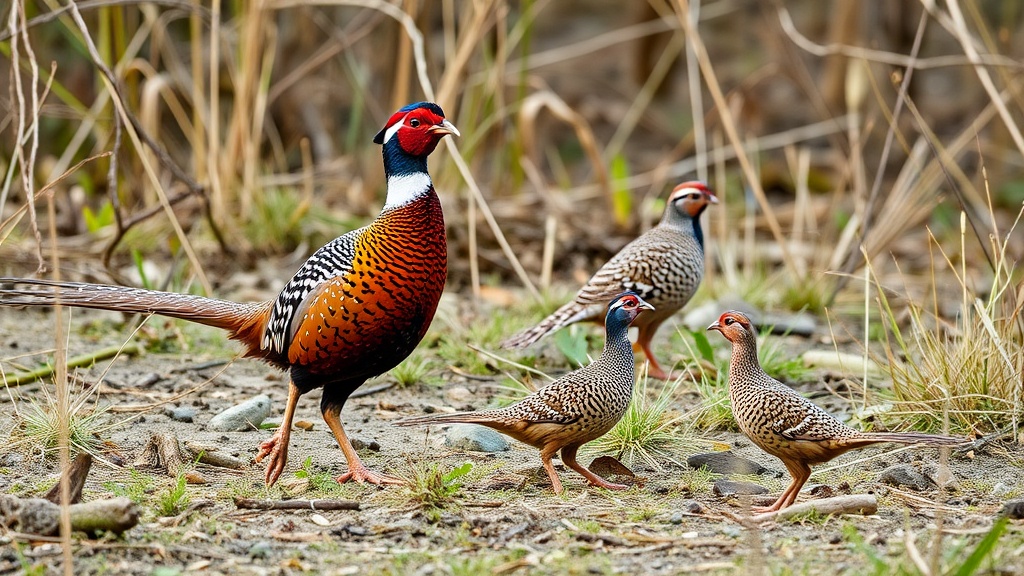 Each species prefers slightly different habitat types:
| Species | Preferred Habitat | Notes |
|---|---|---|
| Pheasant | CRP fields, fencerows, crop edges | Roost in tall grass, feed near ag land |
| Quail | Brush piles, hedgerows, burned prairies | Need dense ground cover |
| Grouse | Young forest, aspen stands, alder thickets | Thrive in cutover timberland |
| Partridge | Farmland borders, grassy knolls | Like open country with patchy cover |
Public Land Access
Many upland bird hunters use public land, especially in states with walk-in access or CRP land open to hunting. Start by checking your state’s listings:
Always verify access rules and permission before entering any land.
Season Dates and Licensing
Seasons vary by species and state. Most upland bird hunts occur in fall and early winter. For example:
| State | Season Start | Species Covered |
|---|---|---|
| Texas | October | Quail, Pheasant |
| Michigan | September | Grouse, Woodcock |
| Pennsylvania | October | Pheasant, Grouse |
| Colorado | November | Pheasant, Bobwhite |
Check season planning info by state:
You’ll also need a valid small game license. Some states require upland game bird stamps or habitat fees:
Shotguns and Ammunition
Shot selection and shotgun fit matter more for upland hunting than sheer power.
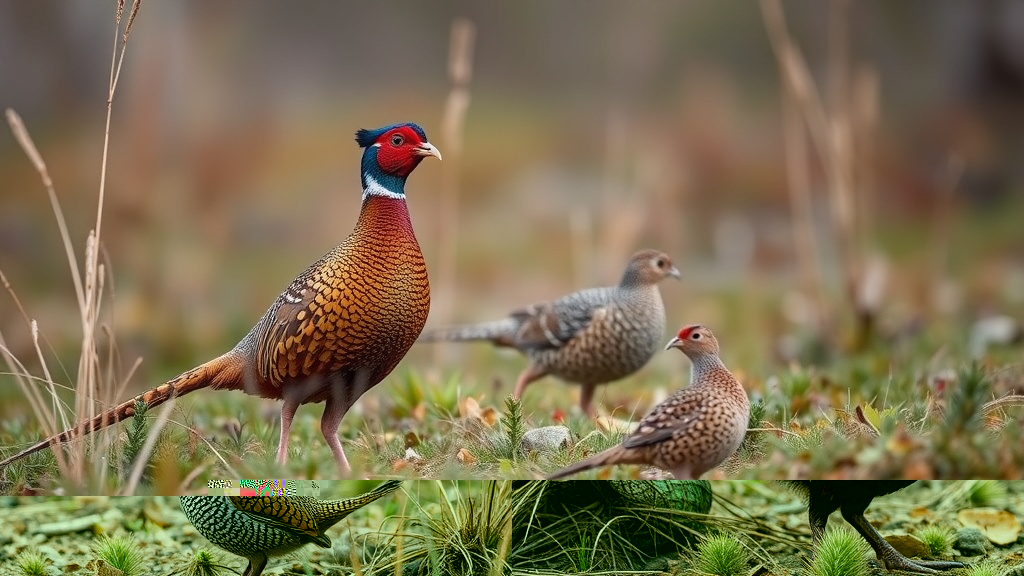
| Species | Gauge Recommendation | Shot Size |
|---|---|---|
| Quail | 20 or 28 gauge | #7.5 or #8 |
| Pheasant | 12 or 20 gauge | #5 or #6 |
| Grouse | 20 gauge | #6 or #7.5 |
| Partridge | 16 or 20 gauge | #6 or #7.5 |
Use non-toxic shot if hunting on federal lands or where required by law 1.
For more guidance on choosing firearms, see Choosing the Right Caliber.
Hunting Techniques
Walk-Up Hunting
This is the most common method: walk cover with a dog (or solo) to flush birds.
- Work slowly in tight cover
- Watch bird flight patterns to predict re-flush
- Circle back through areas you’ve disturbed
Using Dogs
Bird dogs increase your chances and make for a more enjoyable hunt. There are three main types:
| Dog Type | Role |
|---|---|
| Pointers | Locate and point birds |
| Flushers | Drive birds into the air |
| Retrievers | Recover downed birds |
Upland hunting is where dogs truly shine. Training and bonding with your dog is part of the tradition.
Clothing and Gear
Stay light and quiet, but protected. Weather changes fast, and briars are common.
Essentials:
- Upland vest with blaze orange
- Comfortable boots with ankle support
- Brush pants or gaiters
- Shotgun and extra shells
- Dog GPS or bell (if using dogs)
- Water, snacks, and a hunting license
For top gear picks, check out:
Field Care and Cleaning
Once you bag a bird:
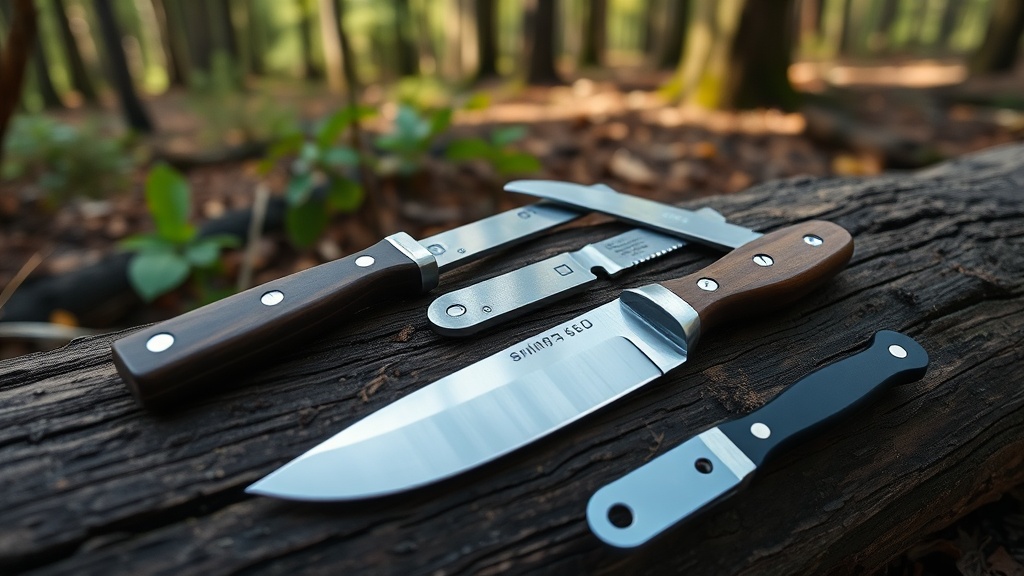
- Field dress quickly to avoid spoilage
- Cool the meat as soon as possible
- Pluck or skin depending on preference
- Clean tools and hands before handling meat
For more on field care, see How to Field Dress Deer. many principles also apply to birds.
Safety and Regulations
- Wear blaze orange during firearm seasons
- Know your shooting lanes when hunting with partners
- Always identify your target and what’s beyond
- Don’t shoot low-flying birds near other hunters or dogs
Upland hunting is typically low-risk, but accidents can happen when guns, dogs, and fast birds combine.
Final Tip: Scout Often, Hunt Hard
Success in upland bird hunting often comes from persistence and pre-season scouting. Birds move with weather, crops, and pressure. Look for fresh tracks, droppings, or flushed birds when scouting.
A good pair of boots and a solid dog will take you further than any fancy gear.
Plan your season early, check your state regulations, and hit the field prepared.
Explore Related Topics:
Notice an update we should make?
We strive for accuracy. Contact us here if you see incorrect or outdated info on this page.